Seven unglamorous tools that cut bills, stop food waste, and make weeknights faster—your 2025 kitchen, upgraded without a remodel.
The middle-class kitchen has a tough brief: cook fast on weeknights, keep the budget sane, and make leftovers feel like a choice—not a punishment.
You don’t need a remodel or a $1,500 machine to get there. You need a few humble tools that reduce friction, cut energy use, and stretch ingredients into whole meals.
I think of these as compounding helpers — they don’t just make one recipe better; they change the rhythm of your week.
Here are 7 2025-ready upgrades that earn their shelf space, with practical tips to get the payback in your first month.
1. Portable induction burner you’ll actually use
Induction boils water in a blink, sips electricity compared to a full oven, and won’t turn your kitchen into a sauna in July.
For renters or small spaces, it’s like adding a second “power burner” without calling a contractor. Use it for weeknight pastas, stir-fries, and rapid batch-boiling potatoes/eggs before work.
Money angle: you’ll stop “just ordering” because the stove is slow, and you’ll avoid heating the whole oven for a tray of veg.
Look for 1,800W units with simple dials (less fiddly than touch panels) and a timer. Induction needs magnetic pans—your cast iron and carbon steel are perfect; check others with a fridge magnet.
Tip: set a shallow hotel pan or sheet tray beside the burner as a “landing pad” so batch-cooking doesn’t sprawl. After two weeks, you’ll wonder why you ever waited for that old coil to glow.
2. Small pressure cooker / multi-cooker (3–6 quart)
Dried beans, tough grains, and hearty stews go from “weekend project” to “Tuesday night.”
One cup of dried chickpeas becomes three cups cooked for a fraction of canned prices, and the texture is wildly better.
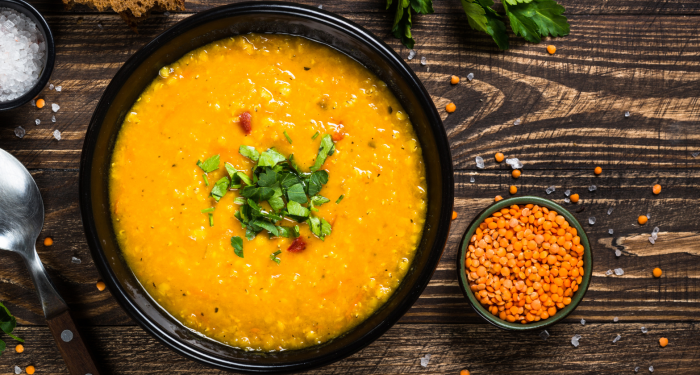
Time angle: red lentil dal in 5 minutes under pressure, black beans in ~30 without hovering, potatoes in 6—then mash into shepherd’s pie or salads.
A compact size fits city kitchens and reaches pressure faster than the jumbo models. Batch tip: cook staples plain (just salt), cool, and freeze flat in zipper bags so they thaw in minutes.
Leftover rescue: pressure-steam day-old rice with a splash of water for fluffy reheats that taste fresh. ROI math: two weeks of swapping canned beans for dried usually pays for the pot.
Choose a model with a stainless insert, a real “sauté” mode for browning, and a spare ring (keep one for savory, one for sweets).
3. Toaster-oven air fryer (the sheet-pan whisperer)
Why it saves: You get crispy, fast heat without firing the big oven. It preheats in 2–3 minutes, uses less energy, and turns leftovers into “new food.”
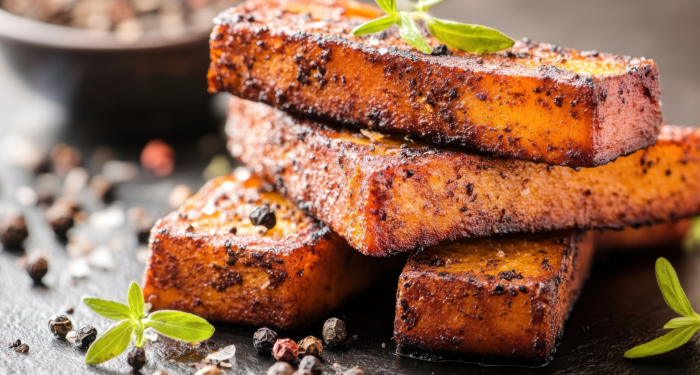
Fries and tofu regain crunch; pizza revives; frozen veg roast beautifully when tossed with oil and spice.
The trick is surface area—use the shallow tray or a mesh basket so hot air hits more edges.
Money angle: fewer sad takeout repeats, fewer meals abandoned for delivery because “it’ll take too long.”
Batch tip: while you eat, toss a second tray of vegetables in for tomorrow’s bowls—carryover momentum is free time.
Look for a model that fits a 9×13 pan or quarter sheet, with a light (so you don’t cremate garlic bread) and a temperature dial you can read from across the room.
Clean the crumb tray weekly — it’s the difference between “we use this daily” and “we gave up.”
4. Carbon steel skillet that replaces your nonstick carousel
It heats fast like cast iron, is lighter, and when seasoned, behaves like a durable nonstick without the annual replacement cycle.
One pan can sear mushrooms, crisp tofu, blister green beans, and finish a sauce—all on medium heat that won’t scorch your oil bill. You’ll use less oil (properly preheated, food releases naturally) and you’ll stop buying disposable pans.
Time angle: it moves from stovetop to oven/air fryer without babying.
Choose 10–12 inches with a flat base; season once (thin coat of oil, hot oven) and cook something fatty the first few rounds.
Cleaning is 30 seconds: hot water, swipe with a brush, dry on low heat, thin sheen of oil.
If food sticks, your pan wasn’t hot enough—give it 90 more seconds next time. Bonus: carbon steel is induction-friendly, so it plays perfectly with Item #1.
5. Immersion blender (stick blender) with a metal shaft
Immersion blender turns random produce + beans into soup, sauces, and dips in the pot you cooked them in—no transfers, no extra dish mountain.
Five soft tomatoes + onion + carrot? Instant tomato soup.
White beans + garlic + olive oil? Dinner-saving puree.
Half a can of coconut milk + curry paste + roasted veg? Silky sauce for noodles.
Money angle: you stop letting tired vegetables die and start puréeing them into something people actually want to eat. Look for a model with a metal wand (won’t stain or warp) and a detachable shaft for the dishwasher.
Pro move: blend ¾ of the pot and leave some chunks so the texture feels intentional. Quick mayo, smoothies in a jar, refried beans without splatter—this $30–$60 tool quietly punches way above its price class.
6. Burr coffee grinder (for beans and spices)
Freshly ground coffee tastes like you upgraded your machine—so you won’t chase café drinks as often. Even a mid-range burr grinder creates consistent particles, which means better extraction and fewer bitter brews you pour down the sink.
Time angle: set a simple ratio (e.g., 1 gram coffee to 16 grams water), mark your dial, and mornings stop being guesswork. Money angle: whole beans often cost the same as preground, and you’ll actually enjoy your at-home cup.
The sneaky bonus is spices: a second, cheaper burr grinder (or a thoroughly cleaned older one) turns whole cumin/coriander into fragrance that makes Tuesday taste like a plan.
Maintenance: brush weekly, deep-clean monthly; your grinder’s life (and flavor) will thank you.
If countertop space is precious, a compact hand burr pays for itself in two months of skipped “I’ll just grab one out.”
7. Airtight glass containers + a handheld vacuum sealer
Food waste is the tax we forget we’re paying. A set of flat, stackable glass rectangles (2–4 cup sizes) plus a couple of 1-quart deli tubs makes leftovers visible and reheatable.
Add a handheld vacuum sealer with reusable zipper bags or valve-lidded containers and you extend greens, berries, prepped herbs, and batch-cooked grains by days.
That’s fewer mystery boxes, fewer “science projects,” and more lunches that beat $14 salads.
System tip: label with painter’s tape and a Sharpie; stack oldest in front (FIFO).
Portion beans and grains in 1-cup bricks and freeze flat; they go from freezer to pan in minutes.
For produce, line containers with a paper towel you replace midweek; moisture management is everything. In month one, track what you didn’t throw away—watch how fast this kit pays for itself.
Final thoughts
The best kitchen “splurges” aren’t glamorous — they’re friction reducers.
A quick-heating burner, a pressure cooker that democratizes dried beans, a small oven that revives leftovers, a pan that lasts, a stick blender that rescues produce, a grinder that upgrades mornings, and containers that keep food alive—each of these quietly returns time and money every week.
Start with the tool that solves your biggest bottleneck (slow stove? induction; wasted greens? vacuum containers; expensive lunches? pressure cooker + beans), give yourself a two-week learning curve, and let the habit compound. The payoff isn’t just in your bank app.
It’s in weeknights that feel doable, a fridge that looks hopeful, and a kitchen that finally works the way your life does in 2025: fast when it should be, gentle when it can be, and always pointed toward “we’ve got this.”
Just launched: Laughing in the Face of Chaos by Rudá Iandê
Exhausted from trying to hold it all together?
You show up. You smile. You say the right things. But under the surface, something’s tightening. Maybe you don’t want to “stay positive” anymore. Maybe you’re done pretending everything’s fine.
This book is your permission slip to stop performing. To understand chaos at its root and all of your emotional layers.
In Laughing in the Face of Chaos, Brazilian shaman Rudá Iandê brings over 30 years of deep, one-on-one work helping people untangle from the roles they’ve been stuck in—so they can return to something real. He exposes the quiet pressure to be good, be successful, be spiritual—and shows how freedom often lives on the other side of that pressure.
This isn’t a book about becoming your best self. It’s about becoming your real self.