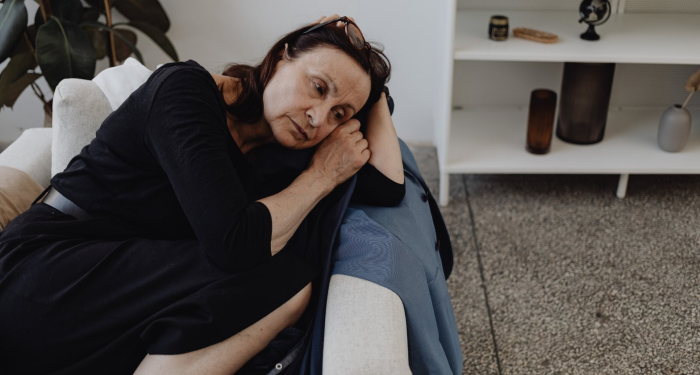
When I stopped needing my phone as a security blanket in restaurants and learned to sit quietly with my thoughts, something unexpected happened — the people around me started acting differently, and not in the way you'd think.

Add VegOut to your Google News feed. 
Have you ever noticed how some people seem completely at ease eating alone at a restaurant while others fidget with their phones, desperately trying to look busy?
I used to be in that second group. The thought of sitting by myself in public without a prop or distraction made my skin crawl. But somewhere along the way, that changed. And when it did, I noticed something else shift: the way people reacted to me.
When you become genuinely comfortable with solitude, you stop needing certain things that most people consider essential. And here's the kicker: this independence can make others surprisingly uncomfortable. After leaving my finance career at 37, I had plenty of time to observe these dynamics, both in myself and in how my relationships evolved.
Let me share what I've learned about the seven things truly solitary-comfortable people no longer require, and why this can unsettle those around them.
1) Constant reassurance that they're making the right choices
Remember the last time you made a big decision? How many people did you consult before pulling the trigger?
People who thrive alone trust their own judgment implicitly. They don't need a committee to validate their choices or a chorus of "you're doing the right thing" to move forward. When I decided to walk away from my six-figure salary, I told exactly two people beforehand. Not because I was secretive, but because I knew what I needed to do.
This self-assurance can be deeply unsettling to others. Friends might interpret it as not valuing their input. Family members might feel shut out. But here's what's really happening: these individuals have developed such a strong internal compass that external validation becomes unnecessary noise.
They're not being dismissive. They've just learned to distinguish between seeking perspective and seeking permission.
2) Small talk to fill silence
You know that moment when conversation naturally dies and most people scramble to fill the void? "Crazy weather we're having, right?"
People comfortable with solitude let silence be. They don't experience it as awkward or threatening. In fact, they often find it refreshing. During my years in finance, every elevator ride, every coffee break, every moment had to be filled with chatter. Now? I can share a peaceful moment with someone without feeling compelled to narrate it.
This makes others squirm. They wonder if something's wrong, if you're angry, if they've said something offensive. The absence of verbal filler feels like judgment to those who use words as social glue. But for the solitude-comfortable, silence is just another form of connection, sometimes even more authentic than forced conversation.
3) Immediate responses to messages
Here's something that drives people crazy: when someone takes hours or even days to respond to non-urgent texts. Not because they're playing games or being passive-aggressive, but because they're genuinely engaged with their present moment.
Those comfortable alone don't feel the compulsive need to be constantly available. They respond when they have the mental space and genuine interest to engage, not out of social obligation or fear of seeming rude.
I lost quite a few friendships from my finance days when I stopped being instantly accessible. Former colleagues interpreted my delayed responses as rejection rather than what it actually was: boundary-setting. The truly comfortable-alone understand that real connection doesn't require 24/7 availability.
4) External entertainment during downtime
Watch someone truly comfortable with solitude wait for an appointment. They might just... sit there. No scrolling, no podcast, no book even. Just them and their thoughts.
This freaks people out. We live in a culture that treats boredom like a disease to be cured. But those who've embraced solitude know that empty moments aren't empty at all. They're processing, observing, or simply being.
After my burnout at 36, therapy taught me that my constant need for stimulation was actually avoidance. Now I can sit in a waiting room and just think. Or not think. Either way, I don't need Instagram to shepherd me through five minutes of stillness.
5) Group consensus before taking action
"Should I take that class?" "Is this outfit okay?" "Do you think I should apply for that job?"
People who've mastered solitude stop crowdsourcing their lives. They make plans without checking if others are free first. They book trips without waiting for someone to join them. They pursue interests without needing a buddy system.
This independence can feel like rejection to those accustomed to being needed. Friends might feel excluded when you sign up for that pottery class solo. Partners might feel threatened when you plan a weekend hike without them. But it's not about pushing others away; it's about not needing others to validate your interests or give you permission to live.
6) Busy schedules to feel valuable
Remember when being "so busy" was a badge of honor? Those comfortable alone have opted out of that race.
They don't need packed calendars to feel important or productive. An empty Saturday isn't a failure; it's a gift. They've learned that their worth isn't measured in meetings attended or invitations received.
This can be particularly unsettling in professional settings. While everyone else humble-brags about their impossible schedules, these individuals calmly maintain boundaries. They leave at 5 PM. They don't check email on weekends. They take actual lunch breaks.
During my achievement addiction years, I thought constant motion equaled success. Now I know that choosing what not to do is just as powerful as choosing what to do.
7) Others' approval to feel complete
This might be the most unsettling change of all: when someone stops needing to be liked.
They're still kind, still considerate, but they've stopped shapeshifting to match others' expectations. They don't laugh at jokes they don't find funny. They don't pretend to enjoy activities that drain them. They don't maintain friendships that feel like performance art.
When I finally understood that I'd been performing friendships rather than experiencing them, everything shifted. Some people found my new authenticity refreshing. Others? They grieved the version of me that always said yes, always accommodated, always bent.
The solitude-comfortable person isn't trying to be difficult. They've just realized that genuine connection can only happen when you show up as yourself, not as who you think others want you to be.
Final thoughts
Why does all this make people so uncomfortable? Because it challenges everything we've been taught about human connection and social success.
When someone doesn't need constant validation, immediate responses, or packed schedules, it holds up a mirror to our own dependencies. It asks uncomfortable questions: Why do I need others to confirm my choices? Why does silence make me anxious? Why do I equate busy with important?
The truth is, becoming comfortable with solitude doesn't mean becoming a hermit or losing the capacity for deep relationships. If anything, it enhances them. When you stop needing others to complete you, you can finally connect with them from a place of want rather than need.
And that distinction? That changes everything.