While you can learn volumes from someone's carefully crafted LinkedIn profile or rehearsed date conversation, watch what happens when their coffee order gets messed up—that's when the real person emerges.

Add VegOut to your Google News feed. 
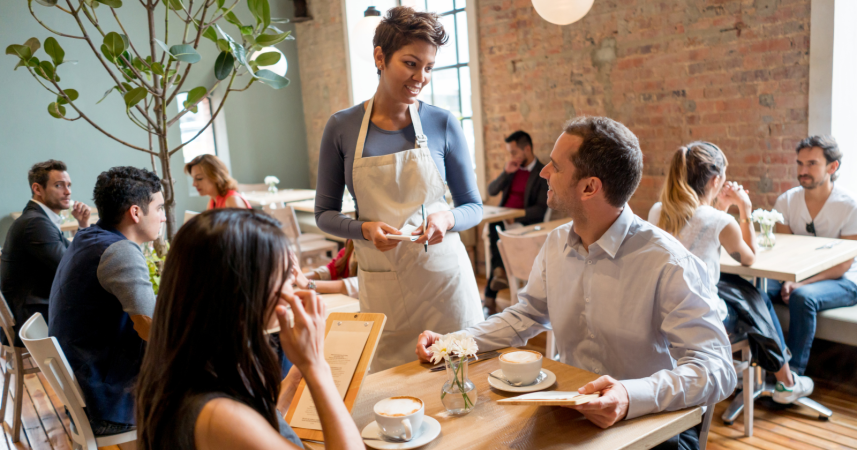
Many years ago, I was on what seemed like a promising first date. The conversation flowed, we had similar interests, and there was definitely chemistry. Then our food arrived, and my date's order wasn't quite right.
What happened next completely shifted my perspective. The way they spoke to our server, dismissive and condescending, revealed more about their character than our entire conversation had.
That moment stuck with me. It made me realize that how we treat people in service positions, especially when things go wrong, is one of the truest reflections of who we really are.
The mask always slips during service interactions
Think about it. In job interviews, we're on our best behavior. On first dates, we're trying to impress. We've rehearsed our answers, picked our best outfit, and put our most polished self forward.
But when someone's serving us food? That's when the performance often drops.
Maybe it's because we think these interactions don't matter. Or maybe we believe the person serving us isn't important enough to warrant our best behavior. Either way, this thinking reveals something fundamental about how we view other human beings.
I've noticed this pattern everywhere. The executive who berates the barista for forgetting extra foam. The date who won't make eye contact with the server. The colleague who's charming in meetings but rude to the cafeteria staff.
These moments matter. They show who someone is when they think no one important is watching.
Power reveals character faster than anything else
There's an old saying that power doesn't corrupt, it reveals. And even the small power dynamic between customer and server is enough to show someone's true colors.
When I worked that warehouse job shifting TVs in Melbourne, I gained a whole new perspective on this. It was humbling work, physically demanding, and often thankless. But what struck me most was how differently people treated me when I was in work clothes versus my regular attire.
Some people looked right through me. Others went out of their way to be kind. The contrast was stark, and it taught me that how someone treats those they perceive as "below" them says everything about their values.
In my book, Hidden Secrets of Buddhism: How To Live With Maximum Impact and Minimum Ego, I explore how Buddhism teaches us about the illusion of hierarchy. Every person deserves respect, regardless of their job title or social status. Yet many of us forget this simple truth the moment we're handed a menu.
Kindness under pressure is the ultimate test
Anyone can be nice when everything's going perfectly. But what happens when the restaurant is crowded, the service is slow, and your order comes out wrong?
That's when you see someone's default setting.
Do they take a breath and respond with patience? Or do they let frustration turn into rudeness? These high-pressure moments strip away our social conditioning and reveal our core programming.
I remember being in Ho Chi Minh City, falling in love with the street food culture there. The vendors worked in intense heat, serving hundreds of people a day, often with limited resources. Watching how locals and tourists treated these hardworking people was like having X-ray vision into their souls. The Vietnamese approach to life, with its emphasis on respect and community, really stood out in these interactions.
The people who treated vendors with warmth and gratitude, even when orders took longer or communication was difficult? Those were invariably the people who turned out to be genuine, empathetic, and trustworthy in other areas of life.
Small moments create powerful ripple effects
Here's what many people don't realize: that server you're dismissive toward? They're someone's parent, child, friend. They have dreams, struggles, and bad days just like you. Your interaction with them might be the kindest or cruelest thing that happens to them today.
I've always believed that conscious choices in how we live and connect with others create powerful ripple effects. A genuine smile, a patient response, or a generous tip can transform someone's shift from miserable to manageable.
Conversely, treating someone poorly doesn't just affect them. It affects how they interact with the next customer, how they feel when they go home, and sometimes even whether they keep showing up for work.
This isn't about being fake nice or putting on a performance. It's about recognizing that every interaction is an opportunity to either add to or subtract from the collective human experience.
The red flags you can't ignore
If you're dating someone new or considering a business partnership, pay attention to these service interactions. Does your date interrupt the server mid-sentence? Does your potential business partner act like the staff is invisible? Do they complain excessively about minor issues?
These aren't just bad manners. They're warning signs of deeper character issues: lack of empathy, inflated ego, and an inability to see beyond their own needs.
I've learned that emotional intelligence and self-awareness are the foundations of better relationships. Someone who lacks the awareness to treat service staff well probably lacks the emotional tools for healthy relationships in general.
Watch how they handle mistakes too. Everyone messes up, including servers. But does your companion respond with understanding or unleash disproportionate anger? Their reaction tells you how they'll treat you when you inevitably make a mistake.
What this really says about values
At its core, how we treat service staff reflects our fundamental beliefs about human worth. Do we believe respect should be earned based on status, or do we believe every person deserves basic dignity?
This isn't just philosophical musing. These beliefs shape every relationship we have. Someone who's rude to servers often struggles with control issues, lacks patience, and has difficulty seeing other perspectives. These traits don't magically disappear in romantic or professional relationships.
On the flip side, someone who treats service staff with genuine kindness usually brings that same respect and consideration to all their relationships. They understand that true strength comes from lifting others up, not putting them down.
Final words
The next time you're trying to get a read on someone's character, skip the carefully crafted interview answers or first date stories. Instead, watch how they interact with the person bringing their food.
Do they make eye contact? Say please and thank you? Show patience when things go wrong? These small gestures reveal enormous truths about who someone really is when the social pressure is off.
Remember, we all have bad days. We all lose our cool sometimes. But our default behavior, especially toward those serving us, shows our true character more clearly than any words we could say.
The beautiful thing is, this awareness goes both ways. By being conscious of how we treat service staff, we can become better people ourselves. Every interaction is a choice, and those choices add up to who we are.
If You Were a Healing Herb, Which Would You Be?
Each herb holds a unique kind of magic — soothing, awakening, grounding, or clarifying.
This 9-question quiz reveals the healing plant that mirrors your energy right now and what it says about your natural rhythm.
✨ Instant results. Deeply insightful.

Lachlan Brown
Lachlan Brown is a psychology graduate, mindfulness enthusiast, and the bestselling author of Hidden Secrets of Buddhism: How to Live with Maximum Impact and Minimum Ego. Based between Vietnam and Singapore, Lachlan is passionate about blending Eastern wisdom with modern well-being practices.
As the founder of several digital publications, Lachlan has reached millions with his clear, compassionate writing on self-development, relationships, and conscious living. He believes that conscious choices in how we live and connect with others can create powerful ripple effects.
When he’s not writing or running his media business, you’ll find him riding his bike through the streets of Saigon, practicing Vietnamese with his wife, or enjoying a strong black coffee during his time in Singapore.
More Articles by Lachlan