The goal isn't to have nothing. It's to have only what enhances your life, supports your values, and leaves you room to breathe.
I used to think my worth was measured by what I owned. During my years as a financial analyst, my apartment reflected what I thought success looked like: expensive furniture I never sat on, kitchen gadgets still in boxes, and a closet bursting with clothes I'd bought but rarely wore.
Then burnout hit at 36, and everything shifted. As I simplified my life and eventually left that six-figure salary behind, I discovered something unexpected. The less I kept, the more space I had for what actually mattered.
Minimalism isn't about deprivation or living with three items and a mattress on the floor. It's about being intentional with what you allow into your space and, by extension, your life.
After years of observing my own habits and talking with others who've embraced simpler living, I've noticed patterns in what minimalists consistently let go of while everyone else keeps accumulating.
Let's explore what minimalists refuse to hoard and why these choices create more freedom than you might think.
1) Clothes they haven't worn in over a year
Most people hold onto clothes with an arsenal of justifications. "I might fit into this again." "This was expensive." "I'll wear it to a special occasion someday." Minimalists don't play this game.
The reality? If you haven't reached for something in a year, you won't suddenly start wearing it. Your style has evolved, your life has changed, or it simply never fit right in the first place.
When I downsized my wardrobe after leaving finance, I let go of dozens of pieces I'd convinced myself I needed.
Those 'power' suits I thought defined me? Gone. The uncomfortable heels I wore to prove something? Donated. What remained was a smaller collection of clothes I actually enjoyed wearing.
Your closet should contain only items that fit your current life, not the life you think you should be living.
2) Duplicates and "just in case" items
How many spatulas does one person need? Or scissors? Or phone chargers stashed in various drawers?
Minimalists keep one good version of things rather than multiple mediocre ones. They don't stockpile items "just in case" because they trust they can acquire something if a genuine need arises.
This was hard for me initially. Growing up with parents who valued preparedness, I'd internalized the idea that having backups meant being responsible. But I discovered that maintaining, organizing, and storing duplicates actually created more work than occasionally needing to replace something.
The peace of opening a drawer and finding exactly what you need, without digging through redundant items, is underrated.
3) Guilt-driven gifts and inherited items
This one hits deep for many people. We keep things because Aunt Susan gave them to us, or because they belonged to someone who's passed away, even when these objects don't align with our lives or bring us any joy.
Minimalists understand that honoring a relationship doesn't require keeping physical items. The memories and love exist independent of the stuff. They're able to thank someone for their generosity while acknowledging that a gift isn't right for them.
After my mother's surgery, when I helped my parents downsize, I watched them struggle with this exact issue. They'd kept items for decades out of obligation. Learning to let go of things that carried guilt rather than genuine meaning was liberating for all of us.
You're allowed to pass things along, donate them, or simply say no to gifts that don't serve you.
4) Expired products and old medications
Walk into most bathrooms and you'll find skincare products from three years ago, makeup that's separated and dried out, and a medicine cabinet filled with expired prescriptions. Minimalists regularly audit these spaces.
Keeping expired items serves no purpose. They're ineffective at best and potentially harmful at worst. Yet people hold onto them because throwing things away feels wasteful, or because they spent money on them and can't bear to admit they won't use them.
I learned this lesson when I transitioned to veganism at 35 and had to clear out products that no longer aligned with my values. It was painful to see how much I'd accumulated and wasted. Now I buy less, use what I have completely, and regularly check expiration dates.
If it's expired, it's already waste. Keeping it doesn't change that fact.
5) Books they'll never read again
This is controversial, but hear me out. Many people treat books like trophies, displaying them to prove they're well-read rather than because they'll actually reference them again.
Minimalists keep books they'll genuinely return to or that hold special meaning. The rest? They donate them, sell them, or pass them to friends. They understand that books serve their purpose when read, and that purpose doesn't require permanent shelf space.
I keep a rotating library, constantly lending books and bringing in new ones. My trail running group started a book exchange that's become one of my favorite community practices. Books are meant to be shared and circulated, not imprisoned on shelves as decorative objects.
Plus, there's something freeing about trusting that if you ever need a book again, you can access it through a library or used bookstore.
6) Kitchen gadgets that only do one thing
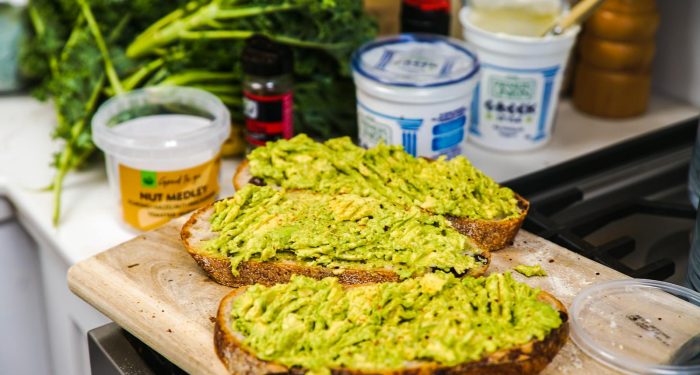
The banana slicer. The avocado tool. The specialized egg separator. Most kitchens are filled with single-purpose gadgets that seemed brilliant in the moment but collect dust after one use.
Minimalists invest in versatile, quality tools rather than accumulating specialized ones. A good knife can do what fifteen gadgets claim to do, often better and with less cleanup.
Since I started cooking elaborate vegan meals as both a creative outlet and meditation practice, I've become particular about my kitchen tools. I have fewer items than I did when I rarely cooked, but each one earns its space through regular use. There's a satisfaction in mastering basic tools rather than relying on gadgets that remove skill from the process.
Your kitchen doesn't need every innovation the market offers.
7) Paper clutter and old documents
Receipts from five years ago. Manuals for appliances you no longer own. Bank statements from before you went paperless. Most people have drawers or boxes filled with paper they haven't looked at in years.
Minimalists digitize what they need and shred the rest. They don't keep paper "just in case" because they know what actually requires retention and what's simply taking up space.
My financial background taught me what documents matter legally and what's just clutter. Very little falls into the first category. Once I scanned important items and created a simple digital filing system, I freed up entire drawers.
Most paper in your home is already obsolete. Let it go.
8) Broken items they're "going to fix someday"
That lamp with the frayed cord. The chair with the wobbly leg. The appliance that stopped working but "just needs a new part." These items accumulate in corners, garages, and closets while we tell ourselves we'll fix them eventually.
Minimalists are honest about their intentions. If you haven't fixed something in six months, you're not going to. Either repair it immediately, pay someone else to do it, or let it go.
I used to keep broken gardening tools I planned to fix, storing them in my shed while buying replacements. Finally, I admitted I wasn't going to repair them and donated them to a community garden where someone with more skill and time could restore them.
Broken items aren't potential projects. They're current clutter.
9) Sentimental items from every life phase
This doesn't mean minimalists keep nothing with emotional value. But they're selective about it. They don't store every artwork from childhood, every card they've received, every program from events they've attended, or every souvenir from every trip.
They keep a few truly meaningful items and take photos of the rest before letting them go. They understand that memories live in their minds and hearts, not in boxes in the attic.
When I found my college journals while helping my parents downsize, I read through them, took photos of a few important pages, and then recycled most of them. Keeping every journal from my twenties wasn't preserving memories. It was preserving paper and taking up space I could use for living my current life.
You don't honor your past by hoarding evidence of it.
10) Other people's expectations and judgments
This might not be a physical item, but it's what minimalists refuse to keep in their mental and emotional homes. They don't hoard the weight of what others think they should own, display, or value.
Your parents might think you need fine china. Your friends might question why you don't have a TV. Society might suggest you need more, bigger, better. Minimalists release these expectations along with the physical clutter.
Living with less isn't really about the stuff. It's about refusing to hoard what doesn't serve you, whether that's physical items or other people's opinions about how you should live.
Final thoughts
Minimalism isn't a destination or a specific number of belongings. It's an ongoing practice of evaluating what adds value to your life and what simply takes up space.
You don't have to let go of everything on this list tomorrow. Start with one category. Notice how it feels to have less to manage, organize, and think about. Pay attention to whether you miss what you've released. Most likely, you won't even remember what's gone.
The goal isn't to have nothing. It's to have only what enhances your life, supports your values, and leaves you room to breathe. Everything else is just stuff you're storing for no good reason.
What will you stop hoarding first?