The moment you understand why your parents physically cannot let you through their front door without making tea, you'll never reject their offer again — and you might finally grasp why they look wounded when you text "love you" instead of showing up.

Add VegOut to your Google News feed. 
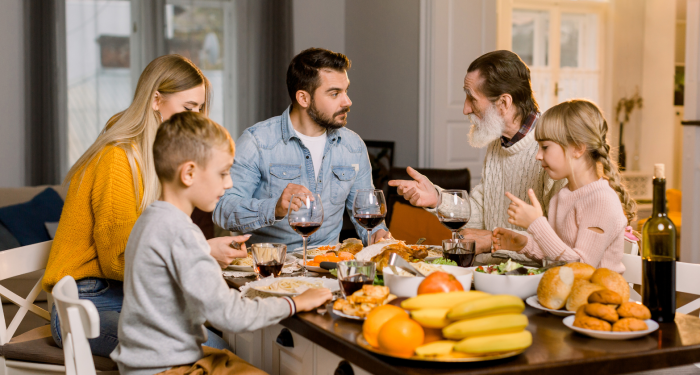
Ever notice how the moment you step through your parents' door, before you've even had time to set down your bag, you hear those five inevitable words: "Let me make you tea"?
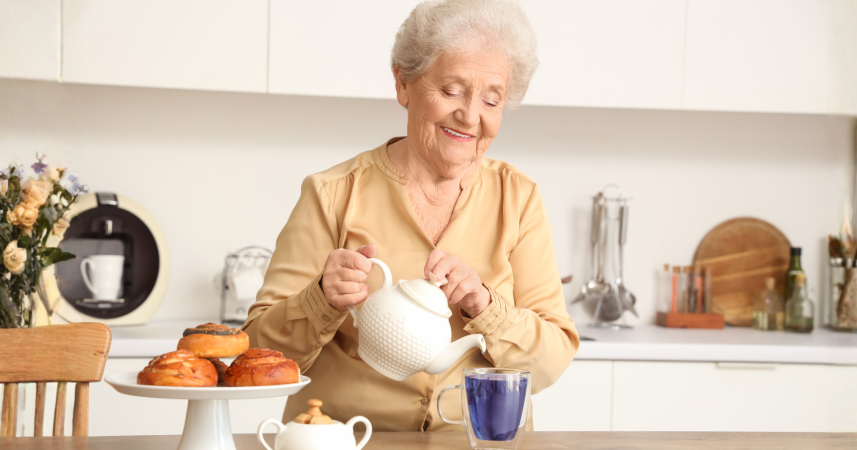
It doesn't matter if it's sweltering outside or you just finished a coffee. The kettle goes on. The good cups come out. And suddenly you're sitting at the kitchen table with a steaming mug between your hands while your mom asks about your drive over.
For the longest time, I thought this was just hospitality. A nice gesture. Maybe even a slightly annoying delay when all I wanted was to collapse on the couch. But recently, I've come to understand something deeper is happening here.
Something that explains why my parents look genuinely hurt when I say "I'm good, thanks" to their tea offer, and why younger folks often skip this ritual entirely.
The language of doing versus being
Here's what clicked for me: different generations speak entirely different languages when it comes to showing care. And I mean that quite literally.
For Boomers and older Gen Xers, love is a verb. It requires action. Physical proof. You show someone you care by doing something tangible for them. Making tea. Cooking a meal. Fixing that squeaky door hinge you mentioned three weeks ago.
Meanwhile, younger generations have learned to express care through presence and words. A thoughtful text. A validating comment. Being emotionally available. These feel just as meaningful to us, but to someone who grew up equating love with action, they can seem hollow.
Research examining generational differences in expressions of care found that Baby Boomers prefer in-person visits when offering support, while Gen Z favors sending text messages. This isn't just about technology. It reflects a fundamental shift in how we conceptualize care itself.
Think about it. When was the last time a twenty-something offered you tea within minutes of arriving at their apartment? Probably never. But they might have sent you a playlist when you were going through a rough patch, or checked in via text after a tough meeting.
Why tea specifically became the universal gesture
So why tea? Why not coffee or water or literally anything else?
Growing up, I watched my mother's ritual countless times. The careful selection of the right mug. The precise two-minute steep. The addition of just the right amount of milk. It was never rushed, never halfhearted.
ENRICHD captures this perfectly: "Tea becomes a 'third presence' — something to focus on together — easing social tension and encouraging relaxed interaction."
That's the genius of it. Tea gives anxious hands something to do. It creates a natural pause in conversation. It provides warmth, literally and figuratively. Most importantly, it takes just long enough to prepare that the person making it has clearly invested time and effort in your comfort.
For a generation that learned to show love through doing, tea is the perfect vehicle. It's accessible enough that anyone can offer it, substantial enough to feel meaningful, and universal enough to transcend individual preferences.
The confusion goes both ways
Last month, my mom visited my apartment. I'd cleaned, bought her favorite snacks, and cleared my entire weekend schedule to spend time with her. But I forgot to offer her anything to drink for the first hour she was there.
Later, she gently mentioned feeling "unwelcomed" despite everything else I'd done. To her, that missing cup of tea spoke volumes. To me, the fact that I'd rearranged my entire life for her visit was the gesture of love.
Neither of us was wrong. We were just speaking different languages.
This generational miscommunication happens constantly. Boomers feel hurt when their adult children don't visit in person during tough times, not realizing those same children are showing care through daily check-in texts and funny memes meant to brighten their day.
Meanwhile, younger folks feel suffocated by what seems like unnecessary fussing over physical comfort when what they really want is emotional validation.
What this means for family relationships
Understanding this difference has transformed how I interact with my parents. When I visit now, I accept the tea. Even if I don't want it. Because I've learned that rejecting the tea feels, to them, like rejecting their love.
But here's where it gets interesting. I've also started translating my care into their language. When my dad had surgery last year, yes, I texted him daily. But I also drove over to mow his lawn, stock his freezer with homemade soup, and fix his computer. The relief and gratitude on his face told me everything I needed to know about which gestures truly reached him.
Similarly, I've watched my parents try to adapt to our language. My mom now sends good morning texts with emoji hearts. My dad shares articles he thinks I'd find interesting. They're stretching beyond their comfort zone, learning that care can exist without physical presence.
Finding the middle ground
The solution isn't choosing one language over the other. Both have value. There's something deeply comforting about someone taking physical action on your behalf. And there's something equally meaningful about someone holding space for your emotions without trying to fix anything.
The magic happens when we become bilingual in care. When we can offer both the cup of tea and the listening ear. When we understand that different people need different things, and that love can be both a doing word and a being word.
I've started incorporating more physical gestures into how I show care for younger friends too. Dropping off soup when someone's sick. Helping organize a closet during a stressful move. These actions carry weight precisely because they're unexpected from our generation.
Final thoughts
That cup of tea your parents insist on making isn't really about the tea. Never was. It's about a generation that learned love requires evidence, that care must be made tangible, that the best way to say "you matter to me" is to do something about it.
Understanding this hasn't just helped me appreciate those endless cups of tea. It's helped me recognize care in all its forms.
The colleague who refills the printer paper without being asked. The friend who shows up to help paint your bedroom. The parent who still wants to pack you lunch for a long drive, even though you're forty-something years old.
So next time someone offers you tea the moment you walk through their door, recognize it for what it is: a love letter written in hot water and ceramic. Accept it graciously. Sit with them while you drink it. And maybe, just maybe, ask if they'd like you to make the next cup.
What’s Your Plant-Powered Archetype?
Ever wonder what your everyday habits say about your deeper purpose—and how they ripple out to impact the planet?
This 90-second quiz reveals the plant-powered role you’re here to play, and the tiny shift that makes it even more powerful.
12 fun questions. Instant results. Surprisingly accurate.