
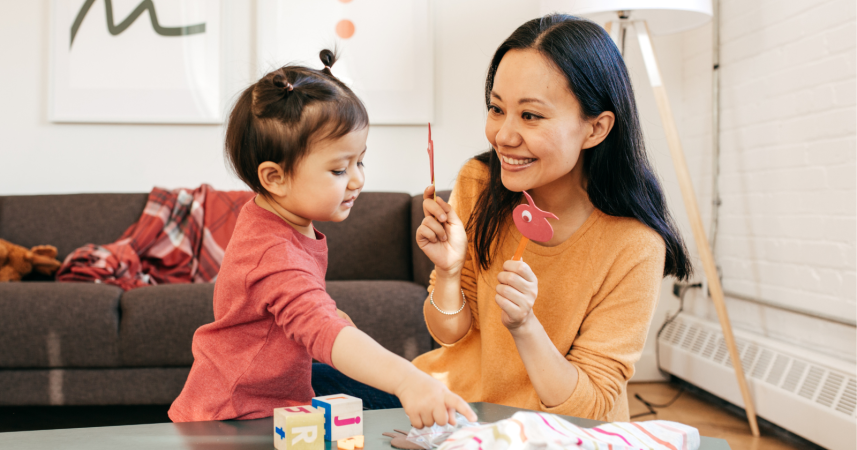
They navigate the delicate balance of loving unconditionally while remaining emotionally prepared to be erased from the narrative, developing subtle coping mechanisms that reveal the profound psychological toll of being a parent in everything but acknowledgment.

Add VegOut to your Google News feed. 
Have you ever noticed how some of the most selfless people often go the most unrecognized?
Step-parents who pour their hearts into raising children as their own, yet never quite receive the acknowledgment they deserve, carry a unique emotional burden. They navigate a complex landscape of love, sacrifice, and often, unspoken grief.
Through my work exploring psychological patterns and human behavior, I've come to recognize something profound: these unsung heroes of blended families often develop subtle behaviors that most people completely miss. These aren't flaws or weaknesses. They're adaptations, coping mechanisms, and sometimes, beautiful strengths born from their unique experience.
What fascinates me most is how these behaviors become so deeply ingrained that even the step-parents themselves might not realize they're doing them. It's like watching someone who's learned to walk with a slight limp after an old injury. They've adapted so well that nobody notices, including themselves.
If you know someone in this situation, or if you're a step-parent yourself, understanding these patterns can be incredibly validating and healing. Let's explore what psychology tells us about these often-invisible behaviors.
1) They deflect praise about their parenting
When someone compliments their parenting or mentions how well the kids are doing, these step-parents often immediately redirect credit elsewhere. "Oh, their mom did most of the work" or "I just helped out where I could" becomes their automatic response.
I witnessed this recently at a school event where a step-dad had clearly been the driving force behind his stepson's science project. When the teacher praised his involvement, he immediately pointed to the child's biological father who hadn't been involved at all. The deflection was so smooth, so practiced, that nobody questioned it.
This isn't false modesty. It's a protective mechanism developed after years of having their role minimized or questioned. They've learned that claiming credit, even when deserved, can lead to conflict or accusations of overstepping boundaries.
2) They over-document everything
Photos, videos, report cards, medical records, permission slips. Step-parents who've raised kids without full acknowledgment often become meticulous record keepers. Not because they're naturally organized, but because they've learned they might need proof of their involvement.
Psychologist Dr. Patricia Papernow calls this "legitimacy anxiety." When your role in a child's life is constantly questioned or overlooked, you start collecting evidence of your presence and contribution. It's exhausting, but it becomes second nature.
Every school play attended, every doctor's appointment driven to, every late-night homework session becomes something to mentally catalog. Just in case someone questions whether you were really there.
3) They avoid using possessive language
Listen carefully to how these step-parents talk about the children they've raised. They rarely say "my kid" or "my daughter." Instead, it's always "the kids" or they use first names. Even after years of being the primary caregiver.
This linguistic dance is heartbreaking when you recognize it. They've trained themselves to avoid language that might trigger conflict or correction. Someone once told me about introducing their stepson at a college tour after raising him for fifteen years, and still stumbling over whether to say "my son" or use his name.
The constant self-editing takes a toll. It's a reminder, embedded in everyday conversation, that their role is somehow less than.
4) They become invisible in family photos
Ever notice how some step-parents naturally position themselves at the edge of family photos? Or how they're often the one taking the picture instead of being in it?
This isn't coincidence. After years of being cropped out of photos for the other parent's house, or hearing "just the real family for this one," they've learned to make themselves small or absent in visual family records.
A friend once showed me her family album, and I noticed she was missing from most milestone photos. When I asked, she shrugged and said she'd gotten used to being the photographer. The sadness in that simple statement was profound.
5) They over-prepare for everything
These step-parents often become the family's most prepared member. Extra snacks, backup clothes, contingency plans for contingency plans. They've learned that being indispensable through preparation is one way to secure their place.
But it goes deeper than just being organized. It's about proving value when your emotional value isn't acknowledged. If you can't be recognized as "mom" or "dad," at least you can be the one who never forgets anything, who always has what's needed.
The mental load they carry is enormous, but they bear it quietly because it feels like the price of belonging.
6) They develop selective emotional numbness
Here's something most people never notice: these step-parents become experts at turning their emotions on and off. They can pour love into a child all week, then watch that child reject them in favor of a biological parent without flinching.
This isn't natural stoicism. It's learned behavior from repeated emotional injuries. They've discovered that showing hurt when they're excluded or minimized only makes things worse. So they perfect the art of seeming unaffected.
Behind closed doors, the impact is real. But they've learned that showing that pain publicly or even to the child often backfires.
7) They remember everything but celebrate nothing
These step-parents often have incredible memories for every detail about the children they've raised. They remember favorite foods, friend dramas, first crushes, fears, dreams. Yet they rarely celebrate their own role in these memories.
They know exactly which bedtime story helped during the nightmare phase, which joke always breaks tension, which comfort food helps during heartbreak. But when these moments are recounted, they fade into the background of the narrative.
It's as if they've become the stage crew of the family story. Essential for everything to work, but never taking a bow when the curtain falls.
8) They perfect the art of conditional presence
Perhaps the most heartbreaking behavior is how they've learned to be fully present while always being ready to step back. They engage completely while maintaining an emotional escape route.
Think about how exhausting it must be to love unconditionally while knowing your presence is conditional. To invest everything while knowing you might be erased from the story later. They become masters at being "all in" while keeping one foot out the door, just in case.
Final thoughts
Reading through these behaviors, you might recognize someone you know. Or maybe you recognize yourself. These patterns aren't weaknesses or character flaws. They're adaptations to an incredibly challenging situation that society barely acknowledges.
Step-parents who raise children as their own without recognition are performing one of the most selfless acts of love possible. They're choosing to pour themselves into young lives knowing they might never receive the title, credit, or acknowledgment they deserve.
If you know someone in this situation, see them. Really see them. Acknowledge their sacrifice, their love, their presence. Use inclusive language. Put them in the photos. Thank them specifically for what they do.
And if you're a step-parent reading this, feeling seen for perhaps the first time, know that your love matters. Your presence matters. Even if it's not always acknowledged, the impact you're having is real and lasting.
The children you're raising might not fully understand your sacrifice now. But somewhere, encoded in their sense of security, in their ability to trust and love, is the imprint of your dedication. That's your legacy, whether it's recognized or not.
If You Were a Healing Herb, Which Would You Be?
Each herb holds a unique kind of magic — soothing, awakening, grounding, or clarifying.
This 9-question quiz reveals the healing plant that mirrors your energy right now and what it says about your natural rhythm.
✨ Instant results. Deeply insightful.

Avery White
Formerly a financial analyst, Avery translates complex research into clear, informative narratives. Her evidence-based approach provides readers with reliable insights, presented with clarity and warmth. Outside of work, Avery enjoys trail running, gardening, and volunteering at local farmers’ markets.
More Articles by Avery










