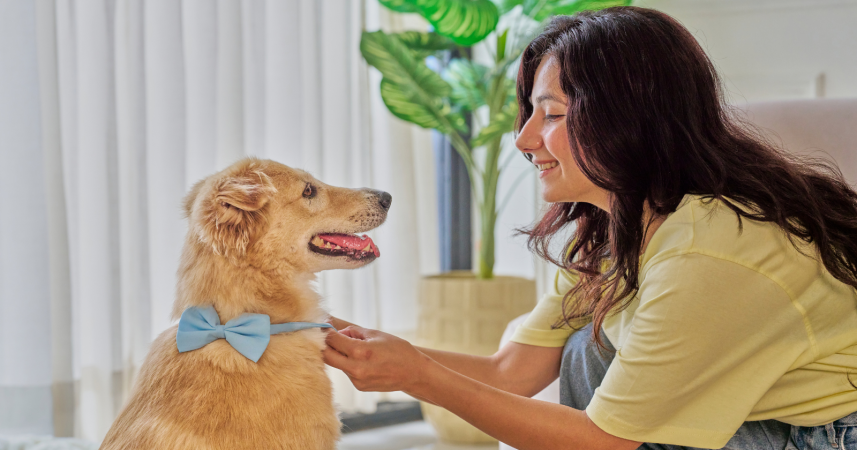
Pets bring out the best in us, but they can also reveal the emotional gaps we haven’t fully faced. Understanding yourself a little better might just deepen the bond you share with them in unexpected ways.
I adore animals. As someone who spends her weekends volunteering at farmers’ markets and chatting with local rescue groups, I’ve met plenty of people who treat their pets like treasured family members.
Honestly, I get it. Pets give us a kind of uncomplicated love that humans sometimes struggle to offer.
But over the years, both in my personal life and through conversations with therapists and psychologists I’ve interviewed for my work, I’ve noticed something interesting.
Some people don’t just love their pets. They go all in financially.
Designer beds, monthly subscription boxes, custom birthday cakes, the works.
There’s nothing wrong with splurging if you can comfortably afford it.
But psychology suggests that, in some cases, excessive spending on pets can point to deeper emotional needs that aren’t being met elsewhere.
Pets become the outlet. The comfort. The compensating factor.
If you’ve ever wondered why you or someone you know might be going beyond normal pet expenses, it might be worth exploring what’s underneath.
Here are ten emotional needs that excessive pet spending sometimes tries to soothe.
1) A longing for unconditional love
Have you ever noticed how soothing it feels when a pet curls up beside you without expecting anything in return?
It’s no surprise psychologists say that pets often provide the unconditional acceptance people crave but don’t always receive from humans.
Some people overspend on their pets because those purchases feel like a way to reciprocate that pure affection.
It can become a cycle of “You love me, so I’ll shower you with everything possible.”
And really, who hasn’t been tempted to buy a silly toy simply because that wagging tail or soft purr feels like a hug?
But it’s worth asking yourself this: am I buying this because my pet needs it or because I need to feel loved?
It’s an honest question that can reveal a lot.
2) The desire to feel needed
There was a period in my thirties when I lived alone and worked long hours as a financial analyst.
Coming home to a quiet apartment felt strangely hollow.
I didn’t get a pet during that stage of life, but I understood why many coworkers who lived alone poured themselves into their animals.
Being needed feels good.
Pets rely on us for everything from food to affection.
When your self-esteem feels wobbly or your life lacks clear purpose, caring for a pet can become a powerful emotional anchor.
Sometimes excessive spending is really about reinforcing that sense of importance.
“Look how well I’m taking care of you.”
It creates an emotional role that might be missing elsewhere.
3) Comfort in times of loneliness
Loneliness isn’t always about being physically alone.
You can be surrounded by people and still feel disconnected.
Pets often fill that emotional gap with ease.
I’ve spoken to plenty of folks who admit that buying new toys or fancy treats became a way to distract themselves from feeling isolated.
It’s a form of emotional cushioning.
When the world feels distant, spending on pets becomes a small, controllable source of joy.
But like any coping mechanism, it’s helpful to have awareness around it.
Are you treating your pet or treating your loneliness?
4) The need for emotional stability
Human relationships can be messy.
Pets, on the other hand, usually aren’t.
They’re predictable in the best way.
You know their routines, their quirks, and the basic rhythm of their affection.
For people who grew up in emotionally unpredictable environments or who experience instability in adult relationships, pets feel like safe emotional ground.
Sometimes spending excessively is really about reinforcing that sense of security.
I once heard a psychologist describe this as “emotional insurance.”
The thought behind the overspending is: if I give my pet the best, they’ll stay happy and healthy, and I won’t lose this source of stability.
It’s a tender idea, but it can also signal deeper fears of loss or chaos.
5) A substitute for human intimacy
 Let’s be honest. Intimacy is complicated.
Emotional intimacy, romantic intimacy, even close friendship all require vulnerability.
Pets don’t. You can love them without fear of judgment or rejection.
For some people, especially those who’ve been hurt or disappointed, it can feel safer to invest heavily in a pet than to risk the emotional exposure of human connection.
There’s a quote I once heard at a psychology seminar: “Pets are easy to love because they don’t mirror our wounds back to us.”
That stuck with me.
Sometimes excessive spending on a pet is really covering up a longing for deeper human connection that feels too risky or painful to pursue.
6) Escaping stress or anxiety
After a long day, pet stores and online pet shops can be surprisingly therapeutic.
I’ve absolutely caught myself wandering down the treat aisle at my local co-op and thinking, “This biscuit shaped like a beet is adorable. I should buy it for Luna,” even though Luna belongs to my neighbor.
Shopping can be a quick emotional lift, and when paired with the joy of owning a pet, that relief can feel even stronger.
People dealing with chronic stress or anxiety may find themselves overspending because each purchase acts like a tiny hit of calm.
It’s not unusual, but it’s important to recognize if spending is being used as a stress-management tool rather than a thoughtful choice.
7) Compensation for guilt
This one comes up more often than people admit.
Many pet owners feel guilty about long work hours, limited free time, or not being as present as they’d like to be.
That guilt can quietly morph into compensatory spending.
New toys to make up for missing playtime.
Premium treats to compensate for a rushed morning routine.
A deluxe bed to ease the guilt of leaving them home alone all day.
I’ve been guilty of this with my garden.
On the days I neglect it, I find myself buying extra seedlings as if the plants will somehow forgive me.
Pets aren’t plants, of course, but the emotional pattern is similar.
8) Wanting to nurture without the demands of parenting
I’ve heard many people say, “My pets are my kids.”
And sometimes that’s said lightly, but other times it’s signaling a deeper emotional truth.
Not everyone wants children.
Some do want children but can’t have them.
Others are undecided or not in a life stage where parenting feels possible.
Pets often become a fulfilling way to channel nurturing instincts without the complexity, responsibility, and long-term emotional labor of raising a human child.
In these cases, excessive spending can reflect an outpouring of affection that doesn’t have another outlet.
It’s nurturing energy finding a home.
9) Recreating a sense of belonging
Feeling like you belong somewhere is a basic emotional need.
Pets can create a sense of home that feels grounded and comforting.
I once worked with a therapist who described pets as “portable belonging.”
Wherever you go, your pet helps define that space as yours.
For people who’ve moved frequently, been uprooted, or grown up without consistent emotional support, this sense of belonging can feel profound.
And sometimes, spending excessively is really about strengthening that emotional home.
The fancy collar, the custom tag, the soft blankets all become symbols of connection and identity.
10) Healing childhood wounds
This one can go deep.
If someone grew up in an environment where love felt conditional, unpredictable, or scarce, having a pet in adulthood can feel incredibly healing.
I know a woman who told me that spoiling her dog felt like “rewriting her childhood.”
She gave him the kind of tenderness and material comfort she never received herself.
It was her way of breaking a generational pattern.
Excessive spending can sometimes be motivated by that subconscious desire to create the nurturing environment you always wished you had.
It doesn’t mean anything is wrong with you.
It just means your inner child is still speaking.
Final thoughts
If you see yourself in any of these patterns, don’t worry.
Awareness isn’t about judgment.
It’s about understanding yourself with more clarity and compassion.
Pets bring out some of the best parts of us.
They teach us patience, empathy, and the power of quiet connection.
But they can also expose emotional gaps we haven’t addressed.
By recognizing why certain behaviors show up, you gain the power to shift them.
You can still treat your pet with love, of course.
But you can also make sure the emotional needs behind your spending are being met in healthier, more sustainable ways.
And who knows?
Understanding yourself a little better might deepen your bond with your pet even more.