They've survived economic crashes, social upheavals, and technological revolutions with nothing but duct tape, determination, and an uncanny ability to make broken things work again. The traits they developed might be exactly what we've lost in our disposable culture.
Ever notice how some people can fix just about anything with duct tape, a bit of wire, and sheer determination?
My neighbor, a woman in her seventies, recently fixed her vintage toaster with nothing but a paperclip and some aluminum foil.
When I asked why she didn't just buy a new one, she smiled and said, "This one still works fine. Just needed a little help."
That toaster? She's had it since 1972.
Growing up with parents from that generation, I witnessed this "make do and mend" mentality daily.
My mother would darn socks until they had more patches than original fabric, while my father kept his tools so well-maintained that some are older than me and still work perfectly.
At the time, I thought they were just being stubborn.
Now I realize they possessed something we've largely lost: Genuine resilience.
The folks who came of age in the 60s learned to squeeze every last drop of value from their possessions.
In doing so, they developed traits that go far beyond frugality.
These are the same people who weathered oil crises, recessions, and massive social upheavals without losing their footing.
What can we learn from them? More than you might think.
1) They embrace creative problem-solving
Have you ever watched someone from this generation approach a broken appliance?
They don't immediately reach for their phone to order a replacement.
Instead, they examine it, tinker with it, maybe consult an old repair manual they've kept in the garage.
This creative approach extends beyond physical repairs.
These folks learned to work around limitations rather than seeing them as dead ends.
When ingredients were expensive or hard to find, they improvised recipes; when clothes wore out, they became cleaning rags or quilt squares.
Working as a financial analyst during the 2008 crisis, I saw this trait in action among older colleagues.
While younger team members panicked about market volatility, the veterans calmly adjusted strategies, drawing on decades of experience navigating uncertainty.
They'd seen worse and survived.
The lesson? Before declaring something broken or impossible, ask yourself: What would someone with limited resources but unlimited ingenuity do?
2) They practice radical patience
In our world of same-day delivery and instant gratification, waiting feels almost revolutionary.
But people who grew up making things last understand that good things take time.
They'll spend hours mending a torn jacket rather than tossing it; they'll wait months for the right replacement part instead of junking the whole machine.
This patience is an active choice to value longevity over convenience.
I've adopted this approach in my garden.
Instead of buying expensive starter plants each spring, I save seeds, start them indoors, and nurture them slowly.
Yes, it takes longer, but those tomatoes I harvest in August?
They taste like patience rewarded!
3) They value skills over stuff
Ask someone from this generation about their prized possessions, and they might surprise you.
Often, what they value most isn't things but knowledge: how to preserve food, repair engines, or stretch a dollar until it screams.
These skills compound over time.
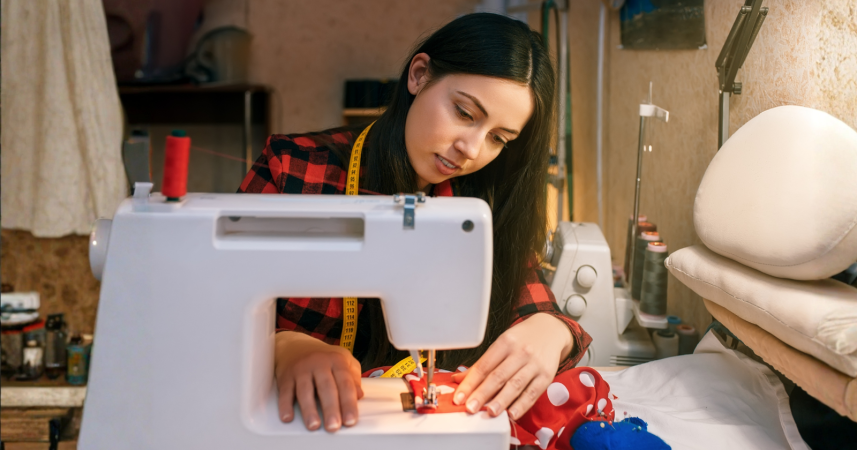
Knowing how to sew means you can alter thrift store finds, understanding basic mechanics means that strange car noise doesn't send you into panic mode, and being able to cook from scratch, something I do most nights, transforms cheap ingredients into satisfying meals.
The resilience here comes from self-sufficiency.
When you know how to fix, make, or improvise what you need, economic downturns and supply chain disruptions lose some of their sting.
4) They understand true value versus price
There's a difference between cheap and inexpensive, between costly and valuable.
People who make things last understand this distinction in their bones.
They'll pay more upfront for quality items that will last decades, but they'll also recognize when something simple and affordable will do the job just fine.
This discrimination comes from experience and a deep understanding of their actual needs versus manufactured wants.
When I helped my parents downsize their home, we found furniture they'd bought as newlyweds.
Still solid, still beautiful, still functional after 50 years.
Compare that to the particle board dresser I bought in college that barely survived the move to my first apartment.
5) They cultivate deep appreciation
When you use something for decades, you develop a relationship with it.
That cast iron pan becomes seasoned with memories as much as oil; the jacket you've mended three times carries stories in its patches.
This appreciation extends to experiences and relationships too.
People who learned to make do often express profound gratitude for simple pleasures: A well-made meal, a tool that works properly, and a friendship that endures.
The research backs this up as studies consistently show that gratitude practices improve mental health and resilience.
For this generation, gratitude is a natural outcome of not taking anything for granted.
6) They build community connections
Before YouTube tutorials, people relied on neighbors.
Need to fix a leaky faucet? Bob down the street was a plumber.
Want to preserve summer vegetables? Martha next door had been canning for forty years.
This interdependence created robust community networks.
People shared tools, skills, and resources.
They bartered services and looked out for each other.
This social capital proved invaluable during hard times.
At my local farmers market where I volunteer, I see this spirit alive and well among older vendors.
They share growing tips, trade produce, and help each other set up and break down.
In a way, they understand that individual resilience is amplified by community strength.
7) They accept imperfection gracefully
Perhaps most importantly, people who make do understand that perfection is overrated.
The patched jeans work just fine, the repaired chair might wobble slightly, but it still holds you, and the garden vegetables might be oddly shaped, but they taste just as good.
This acceptance of imperfection as normal, even charming, provides tremendous psychological resilience.
When you don't need everything to be Instagram-perfect, life becomes less stressful and more authentic.
Final thoughts
The "make do and mend" generation offers us more than quaint stories about darning socks and fixing toasters.
They model a way of being that values resourcefulness over consumption, community over isolation, and contentment over constant upgrading.
Does this mean we should all start hoarding aluminum foil and string? Not necessarily, but we might benefit from pausing before we discard, replace, or upgrade.
We might find value in learning a repair skill or two, or we might discover that making something last brings a satisfaction that no purchase ever could.
The resilience traits of this generation emerged from necessity, crystallized through practice, and endured because they work.
In our uncertain world, these old ways might just be the new wisdom we need.
Next time something breaks, before you open that shopping app, ask yourself: What would someone who lived through the 60s do?
You might surprise yourself with your own ingenuity!