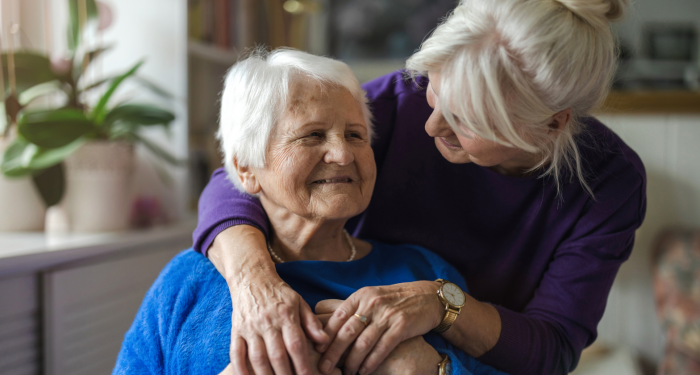
After spending weeks talking to boomers about their relationships with their adult children, I discovered they're harboring secrets about aging, fear, and feeling useless that completely shattered my assumptions about the generation gap.
Last month, while volunteering at the farmers' market, I overheard a conversation that stopped me in my tracks.
An older gentleman was telling another vendor how his adult kids never visit unless they need something.
"They think I don't notice," he said quietly, "but I do."
That conversation sparked something in me.
Over the next few weeks, I started asking every boomer I met one simple question: What do you wish your kids truly understood about you?
The responses I gathered were nothing like what I expected.
Sure, there were mentions of wanting more phone calls and visits, but the deeper truths they shared revealed a generational disconnect that goes way beyond frequency of contact.
As someone who helped my own parents downsize their home recently, I thought I had a pretty good grasp on what this generation wants from us.
But these conversations opened my eyes to perspectives I'd never considered.
1) They're still figuring life out too
"Your generation thinks we have all the answers," one 72-year-old woman told me. "But honestly? I'm still winging it half the time."
This caught me off guard.
We tend to see our parents as these fixed, fully-formed adults who've got everything figured out.
But conversation after conversation revealed something different: they're still growing, learning, and yes, making mistakes.
One retired teacher shared how she started therapy at 69 after decades of thinking mental health support was "for other people."
Another talked about finally pursuing art classes at 75, something she'd always wanted to do but never felt she had permission for.
When my father had his heart attack at 68, I remember being shocked that he seemed almost surprised by his mortality.
It hit me then that aging doesn't automatically bring wisdom or acceptance.
Our parents are still processing life as it happens to them, just like we are.
The takeaway?
Stop expecting them to have all the answers.
They're human beings on their own journey, not just "Mom" or "Dad" with a predetermined script.
2) Their criticism often comes from fear, not judgment
This one really resonated with me.
A 66-year-old former engineer explained it perfectly: "When I tell my daughter to save more money or get better health insurance, she thinks I'm criticizing her choices.
Really, I'm terrified of what might happen to her."
How many times have we rolled our eyes at unsolicited advice from our parents?
But hearing it framed this way completely shifted my perspective.
They lived through different economic times, different social challenges.
When they see us freelancing without benefits or changing careers at 40, they're not necessarily judging our choices.
They're scared because these paths didn't exist in their world, and they don't have a roadmap for how to protect us.
One boomer shared how he lies awake worrying about his son's startup venture.
Not because he doesn't believe in his son, but because he remembers his own father losing everything in a business gamble.
That generational trauma runs deep.
3) They desperately want to be useful
"The hardest part about retirement isn't the lack of routine," a former marketing executive told me. "It's feeling like nobody needs you anymore."
This hit hard.
Many boomers spent decades being the providers, the problem-solvers, the ones everyone turned to.
Now their kids are self-sufficient (mostly), and they're left wondering where they fit.
Several people mentioned how their adult children never ask for advice anymore, even on topics where they have genuine expertise.
One woman who'd been a successful business owner for 30 years said her daughter never asks about entrepreneurship, preferring to "figure it out herself" or consult younger mentors.
When I served as primary caregiver during my mother's surgery, I noticed how much she lit up when I asked her opinion about things, even small decisions about meal planning or household organization.
It wasn't about the advice itself.
It was about still being valued as someone with something to offer.
4) Technology isn't the real barrier
Everyone assumes boomers struggle with technology, and sure, some do.
But what surprised me was how many said the tech itself isn't the problem.
It's the assumption that they can't learn.
"My kids just grab my phone and do it for me," one man explained. "They never teach me how. It makes me feel stupid."
Another woman shared how her son bought her a smartphone but never showed her how to use it properly.
She eventually signed up for classes at the library, too embarrassed to ask him again.
The real issue isn't capability.
It's patience and teaching style.
They want to learn, but they need a different approach than digital natives might.
And honestly? When we take over instead of teaching, we're robbing them of independence and confidence.
5) They notice everything you think they don't
This one surprised me the most.
Boomers are incredibly observant about their adult children's lives, even when they seem oblivious.
"I know when my son is stressed before he tells me," one mother said. "I can hear it in how quickly he talks on the phone."
They notice when you're checking your phone during visits.
They see when you're impatient.
They pick up on the little sighs when they repeat a story.
They know when you're visiting out of obligation versus genuine desire to spend time together.
A 70-year-old grandfather told me he pretends not to notice when his daughter seems annoyed during their weekly calls, but it hurts every time. "I'd rather have a shorter, genuine conversation than a long one where she's clearly multitasking."
6) Mental health stigma is changing for them too
Growing up, mental health was never discussed in my family.
Like many boomer households, therapy was for "people with real problems," and depression was something you just pushed through.
But here's what shocked me: many boomers are now recognizing what they missed.
Several people I spoke with mentioned starting therapy in their 60s or 70s, finally addressing trauma they'd carried for decades.
"I wish my kids knew how hard I'm working to break these patterns," one woman shared.
She'd recently started counseling to deal with anxiety she'd hidden her whole life. "They see me as stuck in my ways, but I'm trying to change."
When I finally had honest conversations with my parents about mental health, breaking our family's generational silence, I was amazed at how receptive they were.
They'd been waiting for permission to talk about these things too.
Final thoughts
After all these conversations, what strikes me most is how much our parents' generation wants to be understood, not just loved out of duty.
They're not asking for perfection from us.
They're asking to be seen as whole people, still growing, still struggling, still hoping.
The generation gap isn't just about different music tastes or technology skills.
It's about fundamental misunderstandings of each other's fears, hopes, and perspectives.
But here's the beautiful thing: every boomer I spoke with was eager to bridge that gap.
They just didn't know how to start the conversation.
Maybe it's time we stopped assuming we know what our parents think and actually asked them.
You might be surprised by what you learn.
I certainly was.
If You Were a Healing Herb, Which Would You Be?
Each herb holds a unique kind of magic — soothing, awakening, grounding, or clarifying.
This 9-question quiz reveals the healing plant that mirrors your energy right now and what it says about your natural rhythm.
✨ Instant results. Deeply insightful.