
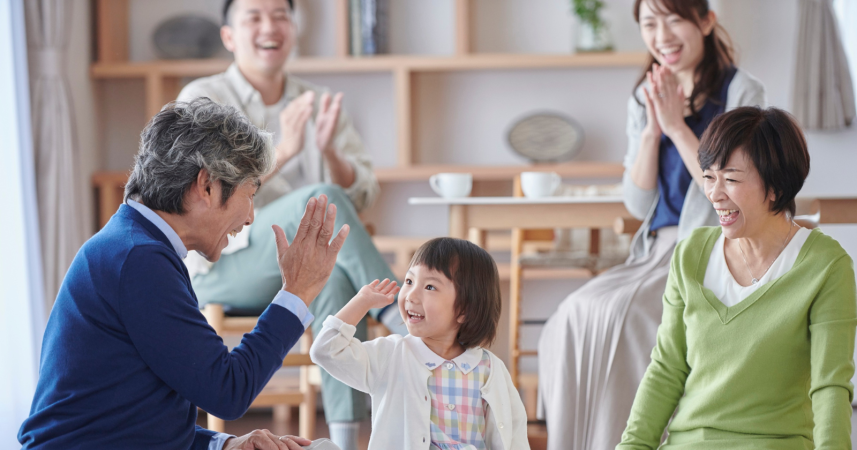
Those quiet afternoons on grandparents' porches and patient lessons in their gardens quietly shape emotional strengths that don't fully reveal themselves until decades later, when life's real challenges arrive.

Add VegOut to your Google News feed. 
Growing up, I spent every summer at my grandparents' farm. While other kids were at camp or stuck in daycare, I was learning to can tomatoes with my grandmother and fixing fence posts with my grandfather. At the time, I didn't realize how lucky I was. It wasn't until I hit my mid-thirties, sitting in a therapist's office dealing with burnout from my finance career, that I began to understand just how much those summers shaped who I became.
My therapist asked me to think about moments when I felt most grounded and secure. Without hesitation, I thought of those long afternoons on the porch, listening to my grandfather's stories about his own struggles and triumphs. Those conversations, I realized, had given me something precious: emotional tools that many of my peers seemed to be missing.
Research backs this up. Studies consistently show that children with involved grandparents develop stronger emotional intelligence and resilience. But what exactly does this look like in adulthood? After years of observation, both personal and professional, I've noticed nine distinct emotional strengths that tend to show up in people who had close relationships with their grandparents.
1. The ability to see the long game
When you've spent time with people who've lived through decades of ups and downs, you learn that most crises aren't actually the end of the world. My grandmother used to say, "This too shall pass," about everything from scraped knees to stock market crashes. And you know what? She was always right.
Adults who had involved grandparents often display remarkable perspective during tough times. They've heard firsthand accounts of real hardship and real recovery. They know that losing a job, ending a relationship, or facing a setback isn't the final chapter. This long-term thinking helps them make better decisions and avoid panic mode when things get rough.
2. Comfort with intergenerational relationships
Ever notice how some people can only connect with their own age group? Not those of us who grew up close to our grandparents. We learned early that wisdom doesn't always come from peers and that friendship can span generations.
In my trail running group, I'm equally comfortable chatting with the 25-year-old newbie and the 70-year-old ultramarathoner. This skill translates beautifully in the workplace too. While others might feel awkward reporting to a younger boss or mentoring someone decades older, we navigate these dynamics naturally.
3. Deep appreciation for simple pleasures
My grandfather could spend an entire afternoon just watching birds at the feeder, completely content. At first, as a hyperactive kid, I found this boring. But slowly, I learned to appreciate these quiet moments too.
People with involved grandparents often carry this gift into adulthood. We find joy in a perfectly ripe tomato, a good conversation over tea, or an evening walk. In our Instagram-perfect world, this ability to find happiness in simplicity is like a superpower. It makes us less susceptible to the constant chase for more, better, faster.
4. Natural storytelling abilities
Grandparents are often master storytellers. They've lived through history and love sharing it. Growing up hearing these tales, we absorbed not just the content but the craft of storytelling itself.
This shows up in unexpected ways. In meetings, we're the ones who can explain complex ideas through relatable anecdotes. At parties, we keep conversations flowing with interesting stories. We understand that humans connect through narrative, not just facts and figures. During my finance days, this skill helped me explain market trends to clients in ways that actually stuck.
5. Emotional regulation through routine
Grandparents often have established routines that have served them for decades. Morning coffee at the same time, evening news at six, Sunday dinners without fail. As kids, we might have rolled our eyes, but we absorbed something valuable: the power of routine in managing emotions.
Adults who spent significant time with grandparents often have their own grounding routines. For me, it's my early morning runs before writing. These rituals aren't just habits; they're emotional anchors that help us stay centered when life gets chaotic.
6. The confidence to be uncool
Let's be honest: grandparents don't care about being cool. They wear what's comfortable, say what they think, and pursue hobbies that make them happy, trends be damned. Spending time with them teaches us that authenticity beats popularity every time.
This translates into a wonderful adult trait: the ability to be genuinely ourselves without constantly checking if we're doing it "right." We're the ones confidently knitting in coffee shops, admitting we don't understand the latest social media platform, or choosing comfort over fashion without apology.
7. Understanding of true resilience
When someone has told you firsthand about surviving a depression, a war, or massive social change, you develop a different understanding of resilience. It's not about toxic positivity or "pushing through." It's about adapting, finding support, and knowing when to rest.
People raised close to grandparents often have a more nuanced view of strength. We know it sometimes looks like asking for help, taking a break, or completely changing course. When I left my six-figure finance job at 37, I drew on stories my grandmother told me about reinventing herself multiple times throughout her life.
8. Patience with process
In our instant-everything world, patience is increasingly rare. But if you've ever learned to garden with a grandparent, helped them with a crossword puzzle, or watched them carefully restore something old, you've absorbed a different timeline.
This patience shows up in how we approach goals. We're more likely to stick with long-term projects, invest in relationships that take time to develop, and trust that good things often unfold slowly. My 47 notebooks filled with reflections didn't happen overnight, and that gradual accumulation of thoughts has been far more valuable than any quick fix.
9. Acceptance of life's cycles
Perhaps most importantly, spending time with grandparents gives us an intimate understanding of life's natural cycles. We see up close that aging is natural, that loss is part of love, and that endings can be as beautiful as beginnings.
This doesn't make us morbid; it makes us present. We're often better at savoring good moments, expressing love openly, and accepting change as natural rather than threatening. We understand that everything has its season.
Final thoughts
Not everyone is fortunate enough to have had involved grandparents, and that's okay. These emotional strengths can be developed in other ways, through mentors, chosen family, or intentional practice. But for those of us who did have that special grandparent connection, recognizing these gifts can help us appreciate and cultivate them further.
Sometimes I wonder what my grandparents would think of my life now, trading spreadsheets for storytelling, choosing trail runs over corporate ladders. I think they'd smile and remind me that the best investment isn't always financial. Sometimes it's the time spent on a porch swing, learning that the most valuable currencies are patience, perspective, and the ability to find joy in a simple summer afternoon.












