Real emotional intelligence isn't learned from books or degrees, it's built from decades of paying attention to the space between what people say and what they mean.

Add VegOut to your Google News feed. 
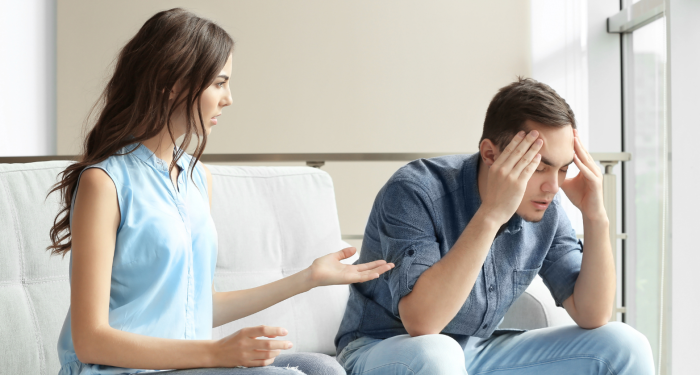
My Aunt Caroline walked into my father's 70th birthday party, surveyed the room for maybe thirty seconds, and walked straight to my cousin Rebecca.
"What's wrong?" she asked quietly.
Rebecca's smile faltered. "Nothing, I'm fine."
"No, you're not."
Within two minutes, Rebecca was crying in the kitchen while my aunt held her hand. Her marriage was falling apart. She hadn't told anyone. She'd been performing fine all evening, and everyone else had bought it.
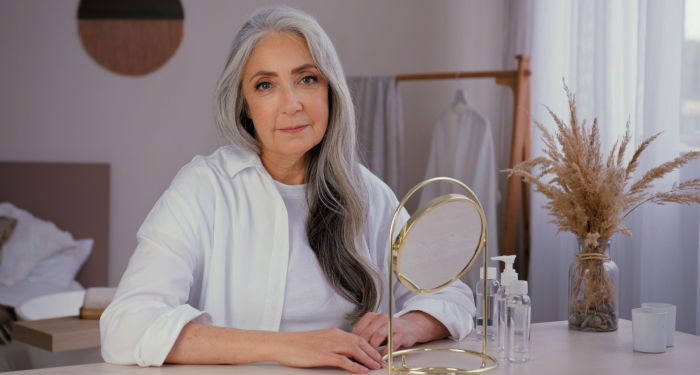
Everyone except my aunt, who's 74, never went to college, and has definitely never read a self-help book in her life.
I have a degree in Economics. I've read countless books on psychology and human behavior. I spent almost 20 years as a financial analyst learning to read people through their financial decisions. I've been in therapy. I've journaled obsessively. I've done the work.
And I didn't notice anything was wrong with Rebecca. I'd believed the performance.
My aunt saw through it in thirty seconds.
That's when I realized: the most emotionally intelligent person in my family isn't the one with the most education. It's the one who's been paying attention to people for seven decades.
What books can't teach you
I discovered journaling at 36 during my burnout, and I've filled 47 notebooks since then. I've read books about emotional intelligence, attachment theory, communication patterns, all of it.
That knowledge is valuable. It's helped me understand myself and my relationships in ways I couldn't before.
But my aunt has something different. Something you can't get from books.
She can walk into a room and feel the temperature of relationships. She knows who's angry at whom before anyone speaks. She can tell when someone's laughter is genuine versus when it's covering pain. She notices what people don't say.
When I asked her once how she does it, she looked confused by the question.
"I just pay attention," she said, like it was obvious.
But most of us don't. We're in our heads, thinking about what we're going to say next, worrying about how we're coming across, distracted by our phones. We're not actually present enough to notice the subtle signals people broadcast constantly.
My aunt is always present. Always watching. Not in a creepy way. In an attentive, caring way.
She notices when someone's smile doesn't reach their eyes. When someone's sitting slightly apart from the group. When someone's laugh is a beat too loud. When someone says they're fine but their shoulders are tense.
All the books I've read taught me the theory. My aunt learned the practice through seven decades of actually looking at people.
The difference between knowing and noticing
I can tell you about attachment styles and communication patterns. I understand intellectually how people defend themselves emotionally.
My aunt doesn't know any of that terminology. But she knows people.
At my wedding to Marcus five years ago, she pulled me aside during the reception. "Your friend Sarah is having a hard time," she said.
I looked over. Sarah was laughing, dancing, seemingly having a great time.
"She seems fine to me."
My aunt just looked at me. "She's not."
I went to check on Sarah later, and she broke down. She'd just found out she was infertile. She'd come to the wedding determined to be happy for me, to not make it about her pain. She thought she was hiding it.
My aunt saw it anyway.
Here's what I've learned: knowing about emotional intelligence and actually being emotionally intelligent are not the same thing.
I know the concepts. I can explain them. I can write articles about them.
My aunt lives it. She doesn't think about it. She just does it.
When I went through couples therapy with Marcus, our therapist taught us about active listening and emotional attunement. We had to practice. We had to consciously work at it.
My aunt has been doing it naturally her entire life. It's not a skill she learned. It's who she is.
What seven decades of observation teaches you
My aunt has lived through a lot. She's been married twice. She raised four kids. She's buried her parents, two siblings, and her second husband. She's worked dozens of jobs. She's navigated poverty, betrayal, loss, joy, everything.
All those experiences taught her what people look like when they're struggling. What they sound like when they're lying. What they do when they're scared or hurt or trying to be brave.
She's seen the same patterns play out thousands of times. The way people deflect with humor. The way they overexplain when they're defensive. The way they go quiet when they're hurt. The way they get extra cheerful when they're depressed.
I spent years in finance learning to read market patterns. My aunt spent years reading human patterns. She's seen enough variations that she can spot them instantly now.
When my father had a heart attack at 68, everyone rushed to the hospital trying to stay positive, keeping conversation light. My aunt walked in, looked at him, and said, "You're terrified."
He broke down. He'd been holding it together for everyone else, but she saw through it immediately.
She knows what terror looks like. She's seen it enough times to recognize it even when someone's working hard to hide it.
That's not something you get from reading. That's pattern recognition built from decades of actual human interaction.
The performance we all put on
I spent years performing relationships rather than experiencing them. I lost most of my finance colleagues as friends after my career transition because those connections were transactional, not genuine.
I was good at the performance. I knew what to say, how to act, when to laugh. I could navigate any professional situation.
But my aunt can see through every performance. She's watched people pretend for seventy-four years. She knows all the tells.
The too-bright smile. The slightly forced enthusiasm. The way people change the subject when you get close to something real. The jokes that deflect from vulnerability. The busy-ness that avoids intimacy.
She's done all of it herself at various points in her life. So she recognizes it in others.
At the farmers' market where I volunteer every Saturday, I try to be friendly and engaged with everyone. My aunt came to help once and afterward said, "That man with the carrots is lonely."
I'd talked to him for ten minutes and hadn't picked up on it at all. But she was right. He'd been coming to the market for social connection, not vegetables.
She noticed because she pays attention to the quality of people's interactions, not just the content. She saw him lingering, saw him trying to extend conversations, saw the way he lit up when people engaged with him.
I'd been focused on the transaction. She'd been focused on the person.
What my aunt taught me without teaching me
I don't think my aunt is trying to teach anyone anything. She's just being who she is.
But watching her has taught me more about emotional intelligence than any book.
She's taught me that presence is more valuable than knowledge. That paying attention matters more than having the right vocabulary. That lived experience creates wisdom that can't be found in any curriculum.
When I experienced burnout at 36 and left my six-figure finance job at 37, my aunt didn't give me advice. She didn't tell me what to do. She just listened.
And then she said, "You know what you need. You've always known. You just haven't been listening to yourself."
She was right. I'd been so busy seeking external validation, reading books about purpose and meaning, analyzing my choices, that I'd drowned out my own inner voice.
She recognized that because she's seen it before. In herself, in her kids, in countless other people.
The books I read gave me frameworks. My aunt gave me permission to trust what I already knew.
The limit of intellectualizing emotions
Here's what I've learned from watching my aunt: you can intellectualize emotions to the point where you're not actually feeling them anymore.
I'm analytical by nature. I spent almost 20 years working with numbers. When I started doing emotional work, I approached it the same way. Reading, analyzing, categorizing, understanding.
My aunt feels more than she thinks. She trusts her gut. She doesn't need to understand why someone's in pain to know they're in pain.
I practice meditation for 20 minutes each morning, something I initially thought was too woo-woo for my analytical mind. I had to learn to get out of my head and just be present.
My aunt has been doing that naturally her whole life.
She doesn't overthink. She doesn't second-guess her instincts. When she walks into a room and feels something's off, she trusts that feeling.
I'm still learning to do that. I want evidence. I want to understand the mechanism. I want it to make intellectual sense.
But emotional intelligence doesn't always make intellectual sense. Sometimes you just know. And my aunt has always known.
Final thoughts
I'm not saying education and self-help books are worthless. They've helped me tremendously. They gave me language for experiences I didn't understand. They taught me frameworks that make patterns visible.
But they're not sufficient. Knowledge without presence, theory without practice, understanding without attention, those things create the illusion of emotional intelligence without the substance.
My aunt has the substance.
She's never read an article about active listening, but she's the best listener I know. She's never studied emotional regulation, but she can hold space for any feeling without getting uncomfortable. She's never learned about boundaries, but she has the healthiest ones in the family.
She learned by living. By paying attention. By caring enough about people to actually see them.
I'm in my forties, and I'm still learning what she's known intuitively for decades. I'm learning to trust my instincts more than my analysis. To be present more than clever. To notice more than perform.
At a recent family gathering, I caught myself doing what my aunt does. I looked around the room, not thinking about what I was going to say or how I was coming across, just paying attention.
And I noticed my cousin James was struggling. His laugh was off. His posture was defensive. Something was wrong.
I went over and asked if he was okay. He looked surprised, then grateful, then honest. He'd just lost his job. He was terrified and trying to hide it.
I'd seen him. Really seen him. The way my aunt has been seeing people her whole life.
Maybe that's what real emotional intelligence is. Not the books you've read or the degrees you've earned. Not the vocabulary you can deploy or the concepts you understand.
It's the willingness to actually look at people. To be present enough to notice. To trust what you see even when it contradicts what you're told.
My 74-year-old aunt with no degrees has been doing that for seven decades. She's never once been wrong about who's pretending to be fine.
Maybe the rest of us should spend less time reading about emotional intelligence and more time actually paying attention to the people in front of us.
That's where the real learning happens. That's what my aunt has been trying to show us all along, without ever saying a word about it.
What’s Your Plant-Powered Archetype?
Ever wonder what your everyday habits say about your deeper purpose—and how they ripple out to impact the planet?
This 90-second quiz reveals the plant-powered role you’re here to play, and the tiny shift that makes it even more powerful.
12 fun questions. Instant results. Surprisingly accurate.