Before smartphones turned neighbors into strangers, there was a time when a simple sound or event could transform an entire street into a spontaneous gathering that created the kind of memories people still talk about fifty years later.
Growing up today, kids coordinate hangouts through group chats and parents track their every move with location-sharing apps. But back in the 70s? The neighborhood itself was the social network, and when something big happened, word spread like wildfire through screen doors and over backyard fences.
I've spent years studying how communities form bonds and create meaning through shared experiences. And while I wasn't around for the 70s myself, researching this era and talking to people who lived it has revealed something profound: these spontaneous neighborhood gatherings weren't just social events. They were the invisible threads that wove communities together.
The 70s had this magic formula we've lost somewhere along the way. No group texts needed, no Facebook event invites required. When certain moments arose, everyone just knew to show up. And they did, creating memories that still bring smiles to faces decades later.
Let's explore eight of these unforgettable moments that turned entire neighborhoods into one big extended family.
1. When the ice cream truck's melody echoed through the streets
Can you imagine the pure chaos that erupted when that tinny melody first drifted through the summer air?
Kids would drop everything - bikes fell sideways on lawns, jump ropes hit the pavement, and baseball games came to a screeching halt. The mad dash began as children frantically searched couch cushions for quarters and begged parents for loose change.
But here's what made it special: parents would actually come out too. They'd stand in driveways chatting with neighbors while kids compared their frozen treats. The ice cream truck wasn't just selling popsicles; it was creating a 15-minute community gathering that happened spontaneously several times a week.
These moments taught kids about sharing, negotiating (trading a Bomb Pop for a Push-Up was serious business), and the art of savoring something special. No Instagram photos needed - the sticky fingers and rainbow-stained tongues were proof enough of the joy.
2. Street hockey games that stopped traffic
"CAR!"
That single word could pause an entire neighborhood hockey game as kids scrambled to move nets made from trash cans and grab their sticks off the asphalt. The driver would wave, kids would wave back, and within seconds the game resumed.
What started as three or four kids would mysteriously grow into teams of ten or twelve. Dads coming home from work would jump in for a few minutes, still wearing their work clothes. Moms would bring out pitchers of Kool-Aid when the game stretched into its third hour.
In my book Hidden Secrets of Buddhism: How To Live With Maximum Impact and Minimum Ego, I write about the importance of being present in the moment. These street hockey games were meditation in motion - no one was thinking about tomorrow's test or next week's dentist appointment. Everyone was just there, fully engaged in the game.
The unwritten rules were sacred: little kids got easier goals to defend, older kids couldn't check too hard, and when streetlights came on, the game was over. Period.
3. The legendary block parties
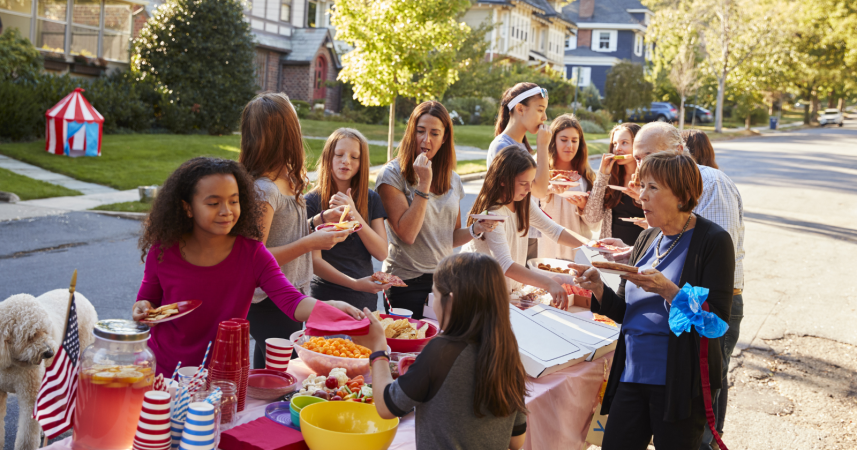
Once or twice a summer, someone would get the wild idea to throw a block party. No permits, no planning committees, just a few neighbors deciding Saturday looked like a good day for a party.
Grills would migrate to front yards. Card tables appeared covered in checkered tablecloths. Everyone contributed something - potato salad, hot dogs, that mysterious Jell-O mold that nobody ate but appeared at every gathering.
Kids ran wild while adults actually relaxed. The guy from three houses down turned out to be hilarious. The elderly couple everyone thought was stern taught kids card tricks. These parties revealed that your neighbors weren't just the people you waved to while getting the mail - they were real people with stories, jokes, and secret recipes.
By nightfall, someone would plug in a record player, and the street became a dance floor. These weren't Instagram-perfect events. They were beautifully messy, wonderfully chaotic, and absolutely authentic.
4. Power outages that brought everyone outside
Remember when losing power meant gaining community?
The moment the electricity cut out, the entire neighborhood would slowly emerge from their houses like cautious woodland creatures. Kids thought it was an adventure. Parents grabbed flashlights and headed outside to compare notes with neighbors.
Suddenly, everyone was sitting on front stoops and lawn chairs, sharing batteries, candles, and transistor radios. Ghost stories were told, guitars appeared from nowhere, and the guy with the gas camping stove became everyone's best friend.
Without the distraction of TV or the hum of air conditioners, people actually talked. Really talked. About their lives, their dreams, their fears about the kids growing up too fast. These conversations in the darkness created connections that lasted long after the lights flickered back on.
5. When someone got a pool (above-ground counted!)
The installation of a pool, even a humble above-ground model, was like striking oil in your backyard.
That family instantly became the most popular house on the block. But here's the beautiful thing - they usually embraced it. "Come on over" wasn't just a polite phrase; it was a genuine invitation that meant half the neighborhood kids would be in your backyard by noon.
Parents worked out informal rotation systems. Someone's mom would supervise Tuesday afternoons, another took Thursdays. The pool owner supplied the water; neighbors brought snacks and sunscreen.
These pool gatherings taught kids about sharing, taking turns, and the unspoken rule that if you were invited to swim, you'd better be willing to share your Big Wheel or hockey stick when the time came.
6. The impromptu baseball games
Saturday morning, someone would stand in the vacant lot with a bat and ball, and within an hour, you'd have enough kids for two teams.
Ages didn't matter. The six-year-old played alongside teenagers. Someone's dad would umpire for a few innings before tagging in another parent. Moms brought orange slices at some point, the universal snack of 70s childhoods.
What I find fascinating, looking back at research on community building and childhood development, is how these games were entirely self-organized. Kids made the rules, settled disputes, and figured out fair teams. No adult leagues, no uniforms, no pressure. Just pure, unadulterated play.
When I explore mindfulness practices and presence in Hidden Secrets of Buddhism: How To Live With Maximum Impact and Minimum Ego, I often think about how naturally kids achieved this state during these games. They weren't worried about college scholarships or travel teams. They were just playing ball.
7. The collective TV watching experiences
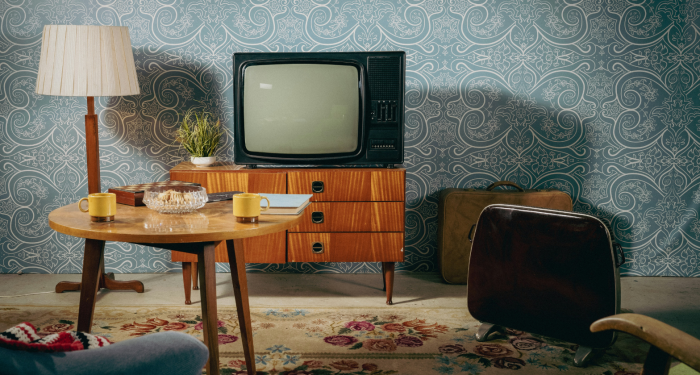
When something big was on TV - the moon landing replay, Muhammad Ali fights, or the series finale of a beloved show - the house with the biggest or newest color TV became the neighborhood gathering spot.
Kids sprawled on shag carpets, adults claimed every available chair, and someone always stood in the doorway. The host would adjust the rabbit ears while everyone shouted "Better!" or "Worse!" like some primitive GPS system.
Commercial breaks meant bathroom rushes and rapid-fire conversations. Everyone experienced these moments together, creating shared cultural touchstones that bonded neighborhoods across generational lines.
8. The first day of summer vacation
That last school bell wasn't just heard by students - it was the starting gun for an entire neighborhood's summer rhythm.
Kids poured out of houses that first morning like they'd been released from prison. By noon, bikes were everywhere, jump ropes were turning, and someone had already started filling water balloons. Parents knew they wouldn't see their kids except for meals and even those were negotiable if someone's mom made sandwiches for everyone.
The first day set the tone for the entire summer. Alliances were formed, adventures were planned, and the neighborhood became one giant playground where everyone looked out for everyone else's kids.
Final words
These eight moments from the 70s reveal something we've lost in our hyper-connected yet oddly disconnected world. Back then, community happened organically. It wasn't scheduled, photographed, or performed for social media. It simply was.
The beauty of these gatherings wasn't in their perfection but in their spontaneity. They remind us that the best moments in life often can't be planned. They emerge when we're open to them, when we step outside our comfort zones (or just outside our front doors), and when we remember that the people around us are potential friends, not strangers.
While we can't turn back time to the 70s, we can learn from that era's natural ability to create community. Maybe it starts with putting down our phones during the next power outage, or actually talking to the neighbor getting their mail, or organizing that block party everyone keeps saying would be fun.
The infrastructure for community is still there. We just need to remember how to use it.