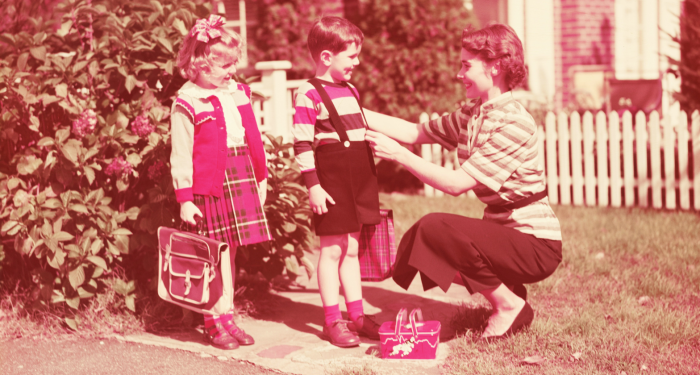
While millennials and Gen Z are still googling "what to do with my life" at 2 AM, boomers learned these fundamental truths before they could even ride a bike properly—and the difference shows in how each generation handles everything from disappointment to delayed gratification.

Add VegOut to your Google News feed. 
Ever wonder why your grandparents seem so unflappable in situations that would send you into a spiral of anxiety and overthinking?
There's something fascinating about watching my dad handle a crisis with the same calm he brings to his morning crossword puzzle. Meanwhile, I spent most of my twenties paralyzed by decision fatigue, googling "what should I do with my life" at 2 AM. The difference? He learned some fundamental truths about life before he could even ride a bike properly, while many of us in younger generations are just figuring these things out as we approach middle age.
After years of observing these generational differences, both in my personal life and through countless conversations with readers, I've identified eight crucial lessons that shaped the boomer generation from childhood. These aren't just nostalgic "back in my day" stories. These are practical insights that could save you years of unnecessary struggle.
1. Not everyone gets a trophy
Remember field day in elementary school? For boomers, coming in last meant exactly that. No participation ribbon, no "great effort" certificate. Just the understanding that sometimes you lose, and that's okay.
Growing up as a "gifted" kid myself, I was shielded from this reality for way too long. Every report card, every project, every attempt was met with praise. It wasn't until I hit the corporate world that I realized not every idea I had was brilliant, and not every effort deserved recognition.
The harsh truth? Learning to cope with disappointment early builds resilience. When you grow up knowing that failure is part of life, you bounce back faster. You don't take rejection as a personal attack on your worth. You dust yourself off and try again.
This doesn't mean we should crush kids' spirits, but there's value in learning that effort alone doesn't guarantee success. Sometimes you work hard and still don't get the promotion. Sometimes you give your all and the relationship still ends. That's life, and the sooner you accept it, the better equipped you are to handle it.
2. Money doesn't grow on trees
My father, the engineer, used to make me calculate the cost of everything in "hours worked." Want that new toy? That's three hours of Dad's work. This wasn't about making me feel guilty. It was about understanding value.
Boomers grew up seeing their parents balance checkbooks, clip coupons, and save for months to afford something special. They understood that resources were finite and choices had consequences. Skip lunch to buy comic books? You'd be hungry later.
Today, with credit cards, buy-now-pay-later schemes, and instant everything, it's easy to disconnect from the real value of money. I've watched friends in their thirties finally grasp what compound interest means, usually after years of credit card debt. The financial literacy that was drilled into boomers through necessity is something many of us learn through painful trial and error.
3. Boredom is not an emergency
"I'm bored" in a boomer household usually got you one response: "Good, go find something to do." No one rushed to entertain you. No one handed you a device. You figured it out.
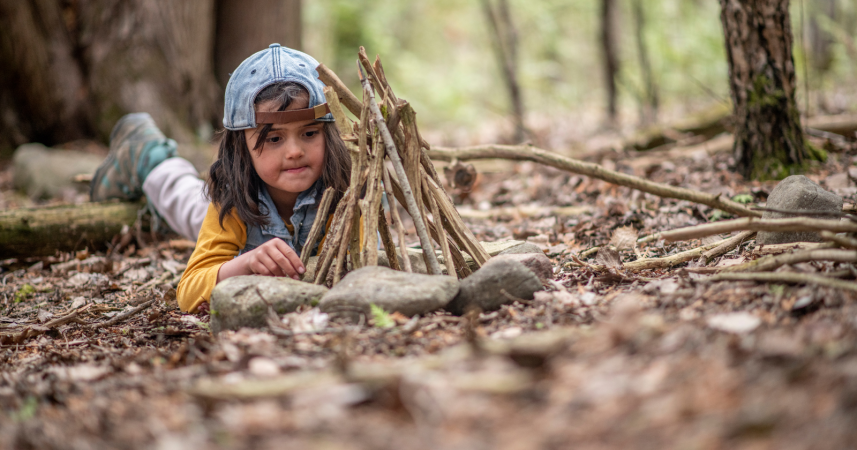
This forced creativity and self-sufficiency. You learned to entertain yourself, to daydream, to explore. You discovered that boredom often led to the best adventures, whether that was building a fort in the backyard or inventing elaborate games with rocks and sticks.
Compare that to today, where the moment we feel even slightly understimulated, we reach for our phones. We've lost the ability to sit with ourselves, to let our minds wander, to be comfortable with quiet. The constant need for external stimulation has made us anxious and dependent on entertainment.
4. Respect is earned through consistency
In my parents' generation, respect wasn't demanded through viral posts or clever comebacks. It was built slowly, through showing up day after day, keeping your word, and proving yourself reliable.
My mother, the teacher, never had to announce she was worthy of respect. She earned it through decades of dedication to her students, arriving early, staying late, and remembering former students' names years later. The community respected her because her actions consistently matched her words.
Today's culture often confuses attention with respect. We mistake followers for influence and likes for validation. But real respect? That still comes the old-fashioned way, through consistent behavior over time.
5. Life isn't fair, and that's not an excuse
When boomers complained about unfairness, they usually heard some version of "life isn't fair, deal with it." Harsh? Maybe. But it taught them to focus on what they could control rather than lamenting what they couldn't.
Some kids had bigger houses, better bikes, more toys. So what? You worked with what you had. This wasn't about accepting injustice or never fighting for change. It was about not using unfairness as an excuse to give up.
I see so many people my age and younger getting stuck in the unfairness of it all. Yes, the housing market is insane. Yes, wages haven't kept up with inflation. Yes, previous generations had certain advantages. But dwelling on that doesn't change your situation. What does? Taking action despite the unfairness.
6. Your actions have consequences
Break the neighbor's window with a baseball? You're mowing lawns until you can pay for it. Talk back to your teacher? You're dealing with the consequences at home too. The connection between action and result was immediate and clear.
This taught personal responsibility in a way that shaped character. You learned to think before you acted because you knew you'd own the results. No one was going to swoop in and fix your mistakes or blame them on circumstances.
Modern parenting and culture often shield young people from natural consequences. Parents email teachers to change grades, call coaches about playing time, intervene in peer conflicts. While the intention is protective, it delays the crucial lesson that your choices create your outcomes.
7. Waiting builds character
Want to talk to your friend? Wait until after dinner to use the family phone. Excited about that TV show? Wait until Thursday at 8 PM. Need information for a school project? Wait until the library opens.
This constant practice of delayed gratification built patience and anticipation. It taught that not everything needs to happen immediately, and that waiting often makes the payoff sweeter.
The instant gratification we're accustomed to has made us impatient and anxious. We expect immediate responses to texts, same-day delivery, instant answers to every question. But the ability to wait, to delay gratification, to work toward long-term goals, these are still the skills that create real success and satisfaction.
8. Community means showing up
Boomers learned early that being part of a community meant contributing to it. If Mrs. Johnson needed help with groceries, you helped. If there was a neighborhood cleanup, you participated. Not because you'd get credit or recognition, but because that's what neighbors did.
This created a network of mutual support that didn't require apps or formal organization. People looked out for each other because they understood they might need that same support someday.
Today's version of community often exists primarily online, which has its benefits but lacks the accountability and reciprocity of physical presence. Clicking "interested" on an event isn't the same as showing up. Sharing a GoFundMe isn't the same as bringing a casserole to a grieving neighbor.
The bottom line
These lessons aren't about romanticizing the past or suggesting everything was better "back then." Each generation faces its unique challenges, and younger generations have developed incredible skills in areas boomers struggle with.
But there's undeniable value in these fundamental life lessons that were once learned through everyday childhood experience. The good news? It's never too late to learn them. You don't need to wait until your thirties to understand that disappointment builds resilience, that respect requires consistency, or that community means showing up.
The question is: which of these lessons resonates most with you? And more importantly, what are you going to do about it?
Start small. Pick one lesson and practice it for a week. See what changes. Because while we can't turn back time and learn these lessons at ten, we can choose to learn them now. And that choice, that decision to grow and adapt regardless of when the lesson arrives, might be the most important lesson of all.
What’s Your Plant-Powered Archetype?
Ever wonder what your everyday habits say about your deeper purpose—and how they ripple out to impact the planet?
This 90-second quiz reveals the plant-powered role you’re here to play, and the tiny shift that makes it even more powerful.
12 fun questions. Instant results. Surprisingly accurate.