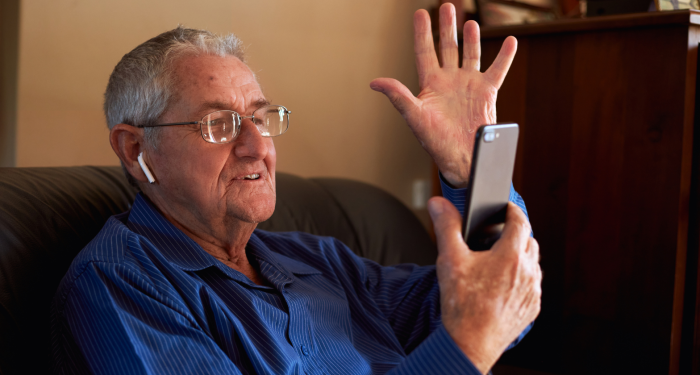
From speakerphone medical oversharing to hour-early arrivals followed by complaints, healthcare workers are witnessing a predictable pattern of waiting room behaviors that have them exchanging knowing glances behind the reception desk.
Ever sat in a medical waiting room and felt that unique mix of antiseptic smell, fluorescent lighting, and the soft rustle of outdated magazines?
If you've spent any time in these spaces lately, you've probably noticed some interesting generational patterns playing out.
Last month, while waiting for my annual check-up, I started chatting with a nurse who'd been working there for fifteen years. Between patients, she shared something that stuck with me: certain waiting room behaviors have become so predictable, the staff can almost set their watches by them. And many of these behaviors? They're distinctly generational.
Now, before anyone gets defensive, this isn't about bashing anyone's parents or grandparents. We all have our quirks. But after talking to several healthcare workers and observing countless waiting rooms myself (especially during the months I spent as my mother's caregiver during her surgery recovery), I've noticed some patterns that make nurses exchange knowing glances.
So what exactly are these behaviors that have medical staff quietly cringing? Let's dive into the seven most common ones.
1. Arriving an hour early and getting frustrated about the wait
You know this scene: someone shows up at 8:30 for their 9:30 appointment, then starts complaining at 8:45 that they've been waiting "forever."
I watched this unfold just last week. A gentleman arrived so early the receptionist hadn't even logged in to her computer yet. By the time his actual appointment time rolled around, he'd worked himself into such a state about "inefficiency" that the tension was palpable.
Here's what nurses wish they could say: arriving super early doesn't move you up in line. It just means you'll spend more time sitting in uncomfortable chairs, getting more anxious with each passing minute. The healthcare system runs on specific time slots for a reason. Your 9:30 appointment means 9:30, not 8:30.
The sweet spot? Arriving 10-15 minutes early to handle paperwork. That's it. Save yourself the stress and the staff the awkward explanations.
2. Loudly discussing medical details in the waiting area
Nothing quite matches the experience of learning about a complete stranger's bowel movements, skin conditions, or medication side effects while you're trying to read a two-year-old copy of Better Homes & Gardens.
One nurse told me she's heard everything from detailed colonoscopy prep stories to graphic descriptions of rashes, all at volumes that suggest the speaker thinks everyone else is fascinated by their medical journey. They're not.
The real issue? Besides making everyone else uncomfortable, this oversharing can violate your own privacy. That waiting room full of strangers doesn't need to know your medical history, and you definitely don't want that information floating around your small town.
Quick tip from the pros: save the detailed discussions for the exam room. Your fellow patients will thank you, and so will the staff who no longer have to redirect these conversations.
3. Refusing to fill out digital forms
"I don't do computers" has become such a common refrain that many offices now budget extra staff time just to handle this issue.
Look, I get it. Technology can be frustrating. But watching someone refuse to even try using a tablet, demanding paper forms that no longer exist, creates a bottleneck that affects everyone. During my mother's recovery, I saw this play out repeatedly. One particular instance involved a woman who spent twenty minutes arguing about digital check-in while a line formed behind her.
The thing is, these systems weren't implemented to annoy anyone. They're designed to reduce errors, speed up processing, and ultimately get everyone seen faster. Many offices will happily help you navigate the technology if you ask nicely. But flat-out refusing? That's when nurses start mentally counting to ten.
4. Bringing up "how things used to be" constantly
Every profession has evolved, but somehow medical waiting rooms have become ground zero for nostalgia about the good old days when "doctors made house calls" and "you didn't need all this paperwork."
After spending countless hours in medical facilities when my mom had surgery, I heard this refrain so often I could practically recite it myself. Yes, healthcare has changed. No, your nurse can't do anything about insurance requirements or HIPAA regulations.
What makes staff cringe isn't the nostalgia itself, but the implication that they're somehow failing by following current protocols. That nurse checking your vitals with a digital thermometer isn't responsible for the death of mercury thermometers. She's just trying to do her job.
5. Treating younger staff like they're incompetent
Picture this: a young nurse walks in, and before she can even introduce herself, she's met with, "How old are you? I want someone with experience."
Age doesn't equal incompetence. That 25-year-old nurse passed the same boards, received the same training, and might actually be more up-to-date on current best practices than someone who's been doing things the same way for thirty years.
When I was advocating for myself after being dismissed about symptoms by an older doctor, it was actually a younger nurse who took me seriously and pushed for the tests I needed. Experience matters, but so does recent training and fresh perspectives.
Demanding an older healthcare provider just because you assume youth equals inexperience? That's when you'll see nurses sharing those looks that speak volumes.
6. Using speakerphone for personal calls
Why do some people think the waiting room needs to hear both sides of their conversation about dinner plans, family drama, or their neighbor's divorce?
This one transcends simple annoyance. It's about basic courtesy in shared spaces. Nobody wants to be an involuntary audience to your personal life, especially when they're already anxious about their own health concerns.
One nurse mentioned that they've had to institute "no speakerphone" policies because it became such an issue. Think about that. Adult professionals having to create rules about phone etiquette because grown adults can't figure out that public spaces require inside voices and private conversations.
7. Arguing about masks or other safety protocols
Whatever your personal beliefs about masks, hand sanitizer, or other safety measures, the medical office isn't the place for political debates.
Healthcare workers are following protocols set by their employers and regulatory bodies. That reception desk isn't a soapbox, and that nurse doesn't have the authority to change hospital policy just because you disagree with it.
During a recent visit, I watched someone spend ten minutes arguing about having to use hand sanitizer. Ten minutes. The actual hand sanitizing would have taken three seconds. The irony wasn't lost on anyone in that waiting room.
Final thoughts
Reading through this list, you might recognize some behaviors you've witnessed yourself. Or maybe you're thinking about your own parents or relatives who might tick a few of these boxes.
Here's the thing: we all have habits that might annoy others. The difference is being aware enough to adjust our behavior in shared spaces, especially spaces where people are already dealing with health concerns and stress.
After leaving my corporate job at 37 to pursue writing, I've had more time to observe human behavior in all kinds of settings. What strikes me most about waiting rooms is how they become these microcosms of generational differences and social friction.
The good news? Most of these behaviors are easily correctable with a little self-awareness. Healthcare workers aren't asking for perfection. They're just hoping for basic courtesy and cooperation so they can focus on what they're trained to do: take care of patients.
Next time you're in a waiting room, take a moment to consider how your actions might be affecting those around you. Because at the end of the day, we're all just trying to get through our appointments with as little stress as possible.
If You Were a Healing Herb, Which Would You Be?
Each herb holds a unique kind of magic — soothing, awakening, grounding, or clarifying.
This 9-question quiz reveals the healing plant that mirrors your energy right now and what it says about your natural rhythm.
✨ Instant results. Deeply insightful.