From plastic bags to mystery keys, these are the everyday items boomers could never throw away — you know, just in case.
Boomers grew up during a time when things were built to last — and when you didn’t throw something away just because it was a little worn out or outdated.
Whether it was thriftiness, nostalgia, or a bit of “you never know when you’ll need it,” boomers became masters at keeping certain items tucked away in closets, garages, and basements.
These weren’t just random objects.
They were backup plans, memories, and sometimes, future “projects” that never quite happened.
If you’ve ever helped a boomer clean out their house, you’ve probably come across at least a few of these classic “just in case” treasures.
1. Plastic grocery bags — all of them
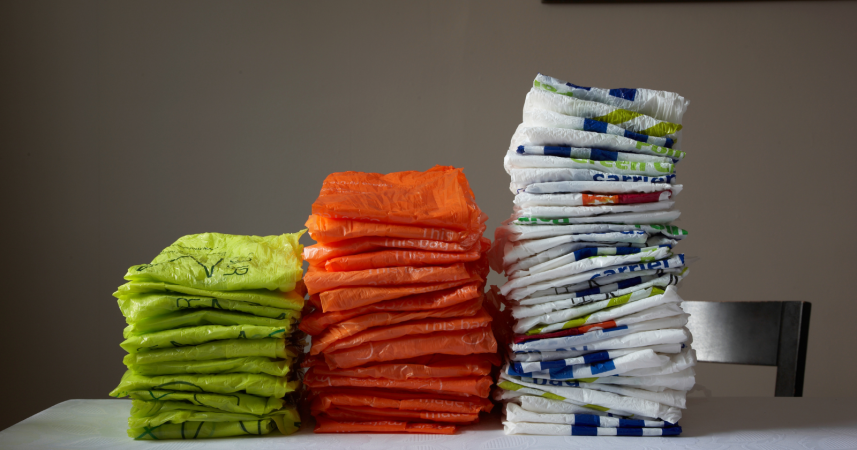
Boomers never met a plastic grocery bag they didn’t think might come in handy later.
These bags were stuffed inside other bags, often forming a giant, overflowing “bag of bags” in the pantry or under the sink.
They were saved for lining trash cans, packing lunches, or wrapping up messy leftovers.
And even when there were far too many to ever actually use, tossing them out felt wrong — almost wasteful.
Some families even had special drawers just for these bags, as if they were priceless heirlooms.
In a way, they were a symbol of resourcefulness.
Or at least an aversion to throwing out perfectly good free storage.
2. Coffee cans filled with random stuff
Before fancy storage containers existed, coffee cans were the go-to for keeping small household odds and ends.
Boomers used them to store nails, screws, buttons, batteries, or spare change.
Each can was a mini time capsule of randomness.
You never knew what you’d find when you opened one — sometimes it was useful, sometimes it was completely baffling.
Old labels were rarely peeled off, so you had to guess what was inside based on shaky handwriting or faded tape.
And of course, there were always multiple coffee cans, each filled to the brim “just in case.”
Throwing them away was unthinkable because there was always the chance you’d need that exact screw or button someday.
3. Old towels and rags
Boomers never got rid of worn-out towels.
Once they were too threadbare for the bathroom, they graduated to “cleaning rags.”
These rags were stacked in laundry rooms, garages, and even cars, ready to be called into service for spills, pet messes, or messy DIY projects.
Some were so stained and torn they could barely be recognized as fabric.
But they were kept anyway because, as boomers love to say, “Why buy new rags when you can just repurpose the old ones?”
This habit was part practicality, part nostalgia — each rag had lived a full life before its final duty as a mop-up hero.
And in a way, that made them feel special.
4. Takeout containers and margarine tubs
Before reusable food storage was trendy, boomers were ahead of the curve.
Every empty butter container, Cool Whip tub, or takeout box was washed, stacked, and saved.
These containers became lunch boxes, leftover holders, or even makeshift craft supply organizers.
Opening the fridge at a boomer’s house was like playing a game of “guess what’s inside.”
Was it actually margarine, or was it last night’s stew?
There was no way to know until you opened it.
Tossing these containers felt like throwing away perfectly good Tupperware — even if the cupboard was already overflowing.
5. Rubber bands and twist ties
If you ever needed a twist tie, boomers had a stash — usually an overflowing jar, box, or junk drawer crammed full of them.
Same with rubber bands, carefully saved from grocery deliveries or newspaper bundles.
These tiny items were too small to matter individually, but collectively they became a treasure trove of “someday useful” supplies.
Need to reseal a bag of bread? Check the twist tie jar.
Need to MacGyver a quick fix? Grab a rubber band from the overflowing pile.
Even when there were hundreds, adding “just one more” was instinctive.
After all, what if you ran out at the exact moment you needed one?
6. Expired coupons and instruction manuals
Boomers didn’t just clip coupons — they kept them forever.
Even after they expired, they were carefully tucked into envelopes, drawers, or purses “just in case.”
The same went for instruction manuals.
No matter how outdated the appliance, its manual was filed away in a folder somewhere.
There might be manuals for toasters, VHS players, or microwaves long since donated or broken.
These papers served as a security blanket — proof that if something went wrong, they’d be prepared.
And while younger generations just Google instructions, boomers prefer the comfort of a printed guide in their hands.
Even if it’s for a blender they haven’t owned since 1987.
7. Holiday wrapping paper scraps
Boomers were masters of stretching every last inch of wrapping paper.
After birthdays or Christmas, used paper was carefully folded and saved for future gift wrapping.
Even the smallest scraps were kept for tiny packages or “just in case.”
Gift bags, ribbons, and bows were also hoarded like gold.
Why buy new supplies when you already had a mountain of slightly crinkled ones waiting in the closet?
Unwrapping presents at a boomer household often involved a side mission: don’t tear the paper!
It was all about keeping things neat enough to reuse.
This thrifty tradition lives on in countless attics and closets to this day.
8. Mystery keys
Every boomer house has at least one drawer filled with random keys.
Some belonged to old padlocks, long-gone cars, or mystery locks no one can quite remember.
Throwing them away felt risky — what if they were important?
So they stayed, gathering dust, decade after decade.
Sometimes a key would finally find its match, proving the hoarding instinct right.
More often, they just sat there, part of a growing collection of unsolved household mysteries.
Boomers see these keys as symbols of preparedness.
You never know when a door — literal or metaphorical — might need unlocking.
9. Buttons from old clothes
Before fast fashion, clothes were investments.
When a shirt or coat wore out, boomers didn’t just toss it — they removed the buttons first.
Those buttons were saved in jars, tins, or sewing kits for future mending projects.
Over time, the button collection became a colorful, mismatched history of past wardrobes.
Most boomers probably have enough buttons to outfit an entire marching band.
Even if they never get used, throwing them away feels unthinkable.
Because in a boomer household, you never know when that perfect replacement button will come in handy.
Closing reflection: the beauty of “just in case”
To outsiders, these saved items might look like clutter.
But to boomers, they represent resourcefulness, care, and a different way of living.
Every rubber band, jar, and button carries a story — of thriftiness, family memories, and a belief in making things last.
In a world of instant replacements and disposable everything, these collections are a reminder of the value of “enough.”
And sometimes, holding onto a few extras “just in case” is its own kind of wisdom.