The choices you make in your 60s create the foundation for either vibrant independence or declining health in your 80s, and the difference often comes down to eight specific lifestyle changes.
My father had a heart attack at 68.
Watching him in the hospital, I couldn't stop thinking about all the warning signs he'd ignored. The stress he'd carried for decades. The exercise routine he kept meaning to start.
He was lucky. He got a second chance to make different choices. But it made me realize something: the decisions we make in our 60s determine whether we're thriving or just surviving at 80.
I've spent years volunteering at farmers' markets alongside vendors in their 70s and 80s who move with the energy of people twenty years younger. The choices made in your 60s are absolutely critical.
Here are eight lifestyle changes that research shows make the biggest difference.
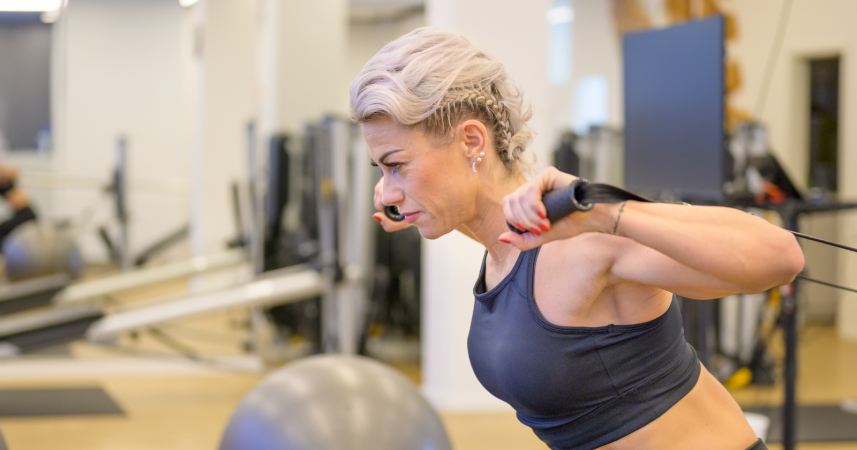
1) Prioritizing strength training over cardio alone
Cardio is important. I'm a trail runner who logs 20-30 miles weekly, so I'm not downplaying its value.
But in your 60s, strength training becomes essential in a way it wasn't before.
You lose muscle mass naturally as you age. It's called sarcopenia, and it accelerates after 60. Less muscle means less strength, which means higher fall risk and reduced independence.
The people I see thriving in their 80s? They built and maintained muscle in their 60s. They didn't just walk. They lifted weights, did bodyweight exercises, and worked on balance.
Strength training in your 60s reduces your risk of falls, improves bone density, and keeps you functionally independent decades later. Two to three strength sessions per week can be the difference between climbing stairs easily at 85 or needing assistance with basic tasks.
2) Building and protecting social connections
Loneliness isn't just emotionally painful. It's physically dangerous.
Social isolation in your 60s and beyond is as harmful to your health as smoking 15 cigarettes a day. It increases your risk of dementia, heart disease, and early death.
I've seen this at the farmers' market where I volunteer every Saturday. The older vendors who show up week after week aren't just selling produce. They're maintaining connection. They're part of a community.
When I was working 70-hour weeks as a financial analyst, I sacrificed relationships for career advancement. I learned the hard way that those connections matter more than any promotion.
In your 60s, retirement can mean losing daily workplace connections. Your social circle naturally shrinks unless you actively work to expand it. Join a book club. Volunteer. Find your people. The relationships you build in your 60s become your support system in your 80s.
3) Shifting to a predominantly plant-based diet
I transitioned to veganism at 35, and the health benefits were an unexpected bonus.
People who shift toward plant-based eating in their 60s significantly reduce their risk of heart disease, diabetes, certain cancers, and cognitive decline.
I'm not saying everyone needs to go fully vegan. But increasing your intake of vegetables, fruits, whole grains, and legumes while reducing processed foods makes a measurable difference in how your body ages.
When my father had his heart attack, his doctors immediately put him on a much more plant-forward diet. His health markers improved dramatically.
Your 60s are when dietary choices really start showing up in your health outcomes. Your body becomes less forgiving. But it's also incredibly responsive to positive changes.
4) Committing to regular preventive healthcare
I learned to advocate for myself with doctors after being dismissed about symptoms in my mid-thirties. But I see so many people who avoid medical care until something goes seriously wrong.
Your 60s are when preventive care stops being optional and starts being essential.
Regular screenings catch problems early. Colonoscopies, mammograms, bone density tests. These aren't fun, but they're the difference between catching something treatable and facing something advanced.
The people I know who are healthy in their 80s? They've been diligent about healthcare for decades. They follow up. They don't skip appointments just because they feel fine.
Make healthcare maintenance non-negotiable. Take your health seriously now so you can enjoy it later.
5) Maintaining cognitive engagement and learning new skills
Your brain is not fixed in your 60s. Neuroplasticity continues throughout life. But you have to actively engage it.
People who continue learning new skills and staying intellectually engaged have dramatically lower rates of cognitive decline and dementia.
When I left my six-figure finance salary at 37 to pursue writing, I had to learn completely new skills. That discomfort was my brain creating new neural pathways.
People in their 60s who take up new hobbies, learn languages, or develop new skills are investing in their cognitive health. They're building cognitive reserve that protects them in their 80s.
Your 60s are not the time to coast mentally. They're the time to challenge yourself and stay curious.
6) Practicing stress management and emotional regulation
I experienced burnout at 36 that led to therapy and a complete re-evaluation of what success meant.
Chronic stress literally ages your body faster. It increases inflammation, weakens your immune system, and accelerates cognitive decline.
I practice meditation for 20 minutes each morning after my trail run. I was skeptical at first, but the research on meditation and stress reduction is overwhelming.
Other people find stress relief through yoga, journaling, or creative pursuits. I cook elaborate vegan meals as a meditation practice now. The method matters less than the consistency.
People who learn to manage stress in their 60s set themselves up for much better mental and physical health in their 80s.
7) Prioritizing sleep quality and consistency
Poor sleep in your 60s accelerates cognitive decline, weakens your immune system, increases your risk of falls, and contributes to depression.
I take regular digital detox weekends to reset my relationship with technology, and one of the biggest benefits is better sleep.
The people I know who are vital in their 80s prioritized sleep in their 60s. They established consistent sleep schedules. They created dark, cool sleeping environments. They didn't just accept poor sleep as normal aging.
Sleep is when your body repairs itself and your brain clears out metabolic waste. If you're not sleeping well, that needs to become a priority.
8) Finding purpose and staying engaged with meaningful activities
Research on longevity consistently shows that people with a strong sense of purpose live longer and healthier lives.
When I left finance and discovered that understanding human behavior was more fulfilling than understanding market trends, I found my purpose. Writing about psychology gives me meaning in a way analyzing spreadsheets never did.
In your 60s, especially if you're retiring, finding purpose becomes critical. Without it, people decline rapidly.
People who retire with no plan often struggle. But people who volunteer, mentor, pursue passions, or find new ways to contribute? They thrive.
I volunteer at farmers' markets and mentor young women considering career changes. Those activities give me purpose beyond my own life.
Your 60s are the time to clarify what matters to you and build your life around it. That sense of purpose becomes the foundation for vitality in your 80s.
Final thoughts
Aging is inevitable. How we age is not.
The lifestyle changes you make in your 60s determine whether you're traveling and living independently at 85, or whether you're struggling with mobility and dependence.
You don't have to do all eight perfectly to see benefits. Start with one or two that resonate most. Maybe it's joining that strength training class. Maybe it's reconnecting with old friends.
The point is that your 60s are not too late. Your body and brain are still remarkably adaptable. The changes you make now compound over time.
Watching my father recover from his heart attack and make different choices taught me something important. It's never too late to start taking care of yourself.
Your 80-year-old self is depending on the choices your 60-year-old self makes. What will you do for them?
If You Were a Healing Herb, Which Would You Be?
Each herb holds a unique kind of magic — soothing, awakening, grounding, or clarifying.
This 9-question quiz reveals the healing plant that mirrors your energy right now and what it says about your natural rhythm.
✨ Instant results. Deeply insightful.

Avery White
Formerly a financial analyst, Avery translates complex research into clear, informative narratives. Her evidence-based approach provides readers with reliable insights, presented with clarity and warmth. Outside of work, Avery enjoys trail running, gardening, and volunteering at local farmers’ markets.
More Articles by Avery