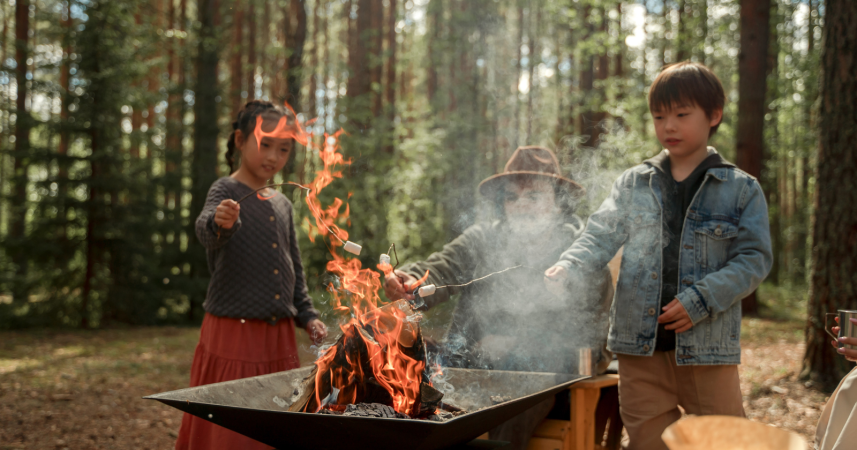
From backyard camping to Saturday morning cartoons, these weekend traditions defined childhood for lower-middle-class families.
Weekends used to be simple.
Before endless streaming options, overpriced brunches, and high-end “experiences,” there was a certain rhythm to life in lower-middle-class households.
Money was tight, but families still knew how to have fun — often with a little creativity and a lot of resourcefulness.
If you grew up in that world, these weekend activities will hit you right in the nostalgia.
They weren’t fancy, but they were ours.
Here are ten weekend rituals that defined lower-middle-class childhoods — and still make you smile when you think back.
1. Browsing yard sales for hidden treasures
Saturday mornings meant piling into the family car and driving around looking for neon poster boards taped to telephone poles.
Garage sales, yard sales, rummage sales — whatever you called them, they were a weekend event.
There was a thrill in finding something unique for a few quarters, whether it was a vintage lamp, a stack of VHS tapes, or a slightly dented toaster.
Kids scoured toy bins while adults hunted for “good furniture” or kitchen gadgets.
It wasn’t about need as much as it was about the fun of the hunt.
Even if you didn’t buy anything, there was satisfaction in wandering through strangers’ driveways, imagining the stories behind their stuff.
No high-end boutiques, no delivery fees — just cash in hand and the possibility of a bargain.
And maybe, just maybe, a donut stop on the way home.
2. Renting movies from the local video store
Before streaming services took over, renting a movie was a whole experience.
Friday night meant a trip to the local video store — whether it was a big chain like Blockbuster or a tiny mom-and-pop shop with faded posters in the window.
You’d wander the aisles, carefully studying the covers, trying to agree on a family pick before someone else snatched the last copy.
There was nothing like the satisfaction of snagging the new release you’d been dying to see.
Popcorn was bought in bulk, sodas were poured into mismatched cups, and the entire night revolved around that single rented movie.
Returning it late was practically a family crisis, especially with those dreaded late fees.
For a lower-middle-class household, this was luxury entertainment.
One VHS tape could turn a regular weekend into an event.
3. Coupon clipping and grocery runs
Sundays were for scissors and sales papers.
Parents would spread out stacks of coupons from the newspaper, carefully plotting out the week’s grocery run.
Kids tagged along, either to push the cart or beg for snacks that weren’t on the list.
Double coupon day was practically a holiday — a chance to feel like you were beating the system.
The real excitement came when the cashier announced just how much you’d saved.
For lower-middle-class families, grocery shopping wasn’t just a chore, it was a strategy game.
The right combination of coupons meant extra room in the budget for a treat — like an ice cream stop on the way home.
It was a small victory, but it mattered.
4. Backyard BBQs with mismatched lawn chairs
Going out to eat wasn’t always an option, so the backyard became the go-to dining spot.
Hamburgers, hot dogs, and maybe some grilled chicken were staples, cooked on a hand-me-down charcoal grill that had seen better days.
Plastic tablecloths were clipped to the picnic table to keep them from flying away.
The seating?
Whatever chairs could be found — folding chairs, lawn chairs, even an overturned cooler or two.
Neighbors would wander over with side dishes like potato salad or baked beans.
There was nothing fancy, but there was plenty of laughter.
The smell of charcoal and the sound of kids playing tag in the grass defined summer weekends.
It wasn’t a five-star restaurant, but it felt like home.
5. Long drives “just to look”
Before gas prices skyrocketed, taking a weekend drive was a cheap form of entertainment.
Families would pile into the car and just… drive.
Maybe you’d go to look at houses you couldn’t afford, or window-shop at car dealerships for “someday” dreams.
There wasn’t always a destination — sometimes it was about escaping the house and seeing what was out there.
Kids would fight over the window seat while parents pointed out landmarks or dreamed aloud about what life could be like “if we hit the lottery.”
There was a freedom to those drives, even if you ended up right back where you started.
It was low-cost adventure at its finest.
And often, it ended with ice cream cones or a stop at the discount store.
6. Free concerts and community events
Not every family could afford concert tickets, but almost every town had free events.
Summer weekends meant music in the park, county fairs, or free movie nights sponsored by local businesses.
Families would bring blankets, lawn chairs, and maybe a cooler full of sodas.
The entertainment wasn’t top-tier, but it was joyful and accessible.
Kids ran wild while adults chatted with neighbors and tapped their feet to the music.
It wasn’t glamorous, but it was community.
These free events felt like a celebration of life’s simple pleasures.
And for a lower-middle-class family, they were an essential part of summer.
7. Saturday morning cartoons and sugary cereal
For kids, Saturday mornings were sacred.
You’d wake up early — earlier than you ever did for school — and plant yourself in front of the TV.
A giant bowl of sugary cereal balanced precariously on your lap.
Cartoons played for hours, from Looney Tunes to Teenage Mutant Ninja Turtles.
Parents were thrilled because it meant a little extra sleep while the kids stayed glued to the screen.
It was a simple ritual, but it felt like pure freedom.
No school, no homework, just cereal and cartoons until noon.
A lower-middle-class luxury that didn’t cost a dime.
8. Bargain hunting at thrift stores and flea markets
When budgets were tight, thrift stores and flea markets were treasure troves.
Parents hunted for school clothes, furniture, or gently used appliances.
Kids tagged along, hoping to score toys, books, or the occasional random treasure.
There was a thrill in finding something amazing for just a few bucks.
Unlike fancy malls, these places were full of surprises — you never knew what you’d discover.
Negotiating with vendors or proudly showing off a $2 find was part of the fun.
Shopping wasn’t about labels; it was about creativity and resourcefulness.
And sometimes, you walked away with something priceless — a story to tell.
9. Backyard camping
Not everyone could afford a big family vacation, but that didn’t mean you couldn’t camp.
The backyard became the wilderness.
A beat-up tent, sleeping bags, and maybe a lantern were all you needed.
Kids told ghost stories while adults sat nearby sipping coffee or beer.
The sounds of crickets and passing cars mixed into a weirdly perfect soundtrack.
You’d wake up damp from the morning dew but feeling like you’d had a grand adventure.
No park fees, no long drives — just pure imagination and a little open space.
It was staycationing before the word even existed.
10. Sunday night “big dinners”
Even when money was tight, Sunday night dinner was special.
It might be a roast, a casserole, or a big pot of spaghetti, but it was always a step above the weekday meals.
Relatives often came over, and the house filled with laughter, chatter, and the smell of home cooking.
Leftovers became Monday’s lunch, stretching the budget just a little further.
It was a weekly ritual that grounded the family and wrapped up the weekend with comfort and connection.
For many lower-middle-class families, these Sunday dinners were proof that love mattered more than money.
And those meals are still remembered long after the plates were cleared.
Closing reflection: memories built on simplicity
Looking back, these weekend activities weren’t glamorous or expensive.
But they built bonds, created traditions, and gave families something to look forward to.
For lower-middle-class households, fun came from creativity, community, and togetherness — not price tags.
Gen Z might have endless apps and entertainment, but there’s something magical about those simple, scrappy weekends.
Because sometimes, the best memories are made from the things money can’t buy.
If You Were a Healing Herb, Which Would You Be?
Each herb holds a unique kind of magic — soothing, awakening, grounding, or clarifying.
This 9-question quiz reveals the healing plant that mirrors your energy right now and what it says about your natural rhythm.
✨ Instant results. Deeply insightful.