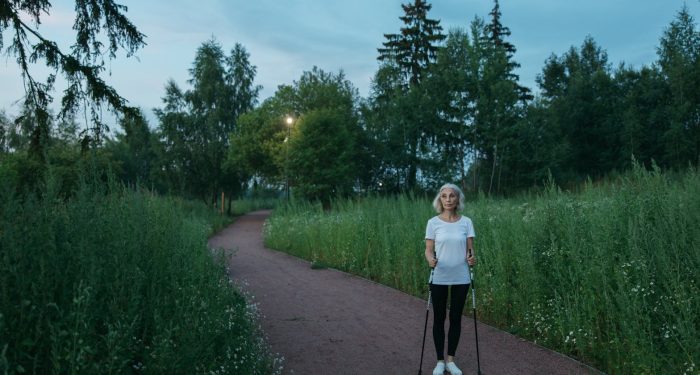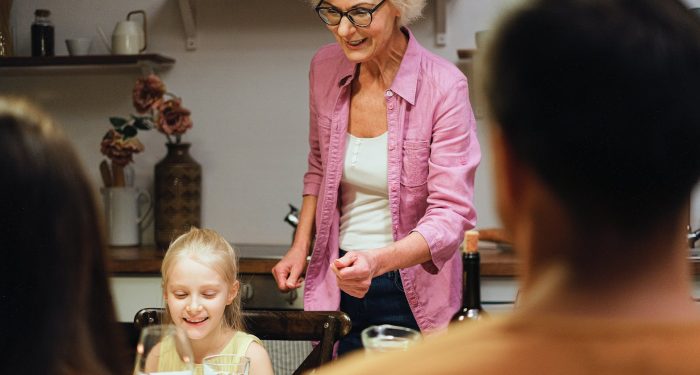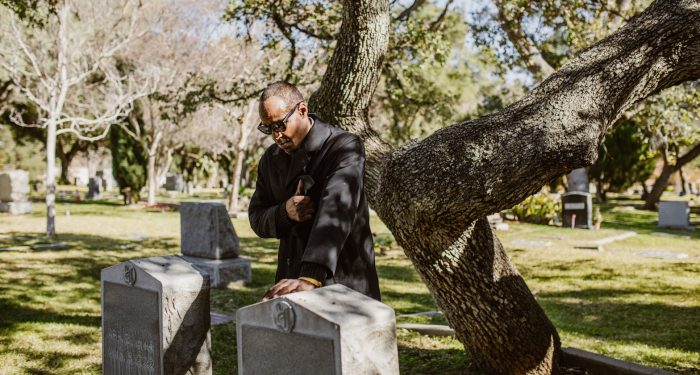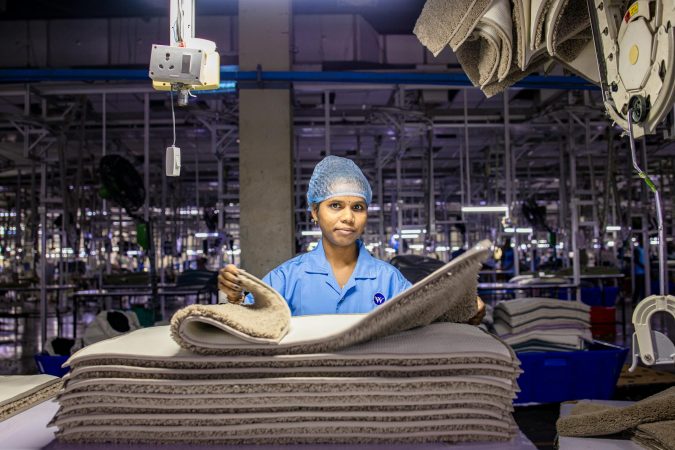
The generation that was taught to endure everything was never taught what to do when the thing they endured simply disappeared.

Add VegOut to your Google News feed. 
The people who adapted best to the mid-twentieth century may have been the least equipped for what came after. That sounds wrong. We tend to assume that competence carries forward, that if you learned to show up on time and do the work and save a little from each paycheck, those habits would keep paying dividends no matter what shifted around you. But the generation born between 1945 and 1965 learned a specific game with specific rules, and then the rules changed while they were still mid-play. The factories didn't just close. The entire vocabulary of what it meant to be a reliable person got rewritten. And the people who had built their identities around reliability found themselves fluent in a language nobody spoke anymore.
The Orientation That Never Came
Think about what orientation means. When you start a new job, someone walks you through the building, explains the systems, introduces you to the people who matter. There's a manual, or at least a conversation. You're given time to adjust. The implicit promise is: we brought you here, so we'll help you learn what this place requires.
Nobody did that for the post-war generation when the world shifted. Pensions became 401(k)s and the responsibility for retirement planning moved quietly from institutions to individuals. Manufacturing jobs that had supported entire towns evaporated over a decade. The social contract that said "show up, work hard, and you'll be taken care of" dissolved without a formal announcement, without a transition period, without so much as a memo.
What replaced it was a culture of personal optimization: track your habits, build your brand, curate your morning routine. Writers on this site have explored how morning habits can sharpen the mind, and there's real value in that. But the entire framework assumes you already know what game you're playing. For millions of people born in those two decades, the game changed without their consent, and nobody handed them a new set of instructions.
Resilience as a Trap
Here's what puzzled me for a long time: why didn't more people in this generation fall apart visibly? The answer, I think, is that they were trained not to. The children of the Silent Generation and early Boomers absorbed a particular kind of stoicism from parents who had survived the Depression and the Second World War. If you were raised by parents of the Silent Generation, you know what I mean. Complaining was suspect. Falling apart was a luxury. You adapted, or you appeared to.
Some psychologists suggest that adapting too well can actually prevent the deeper reckoning needed for genuine adjustment. When you pivot fast, look fine, and keep moving, you skip the part where you grieve what you lost. And grief, it turns out, contains information. It tells you what mattered. It tells you what to rebuild around. Without it, you just keep performing the old competence in a context where it no longer applies.
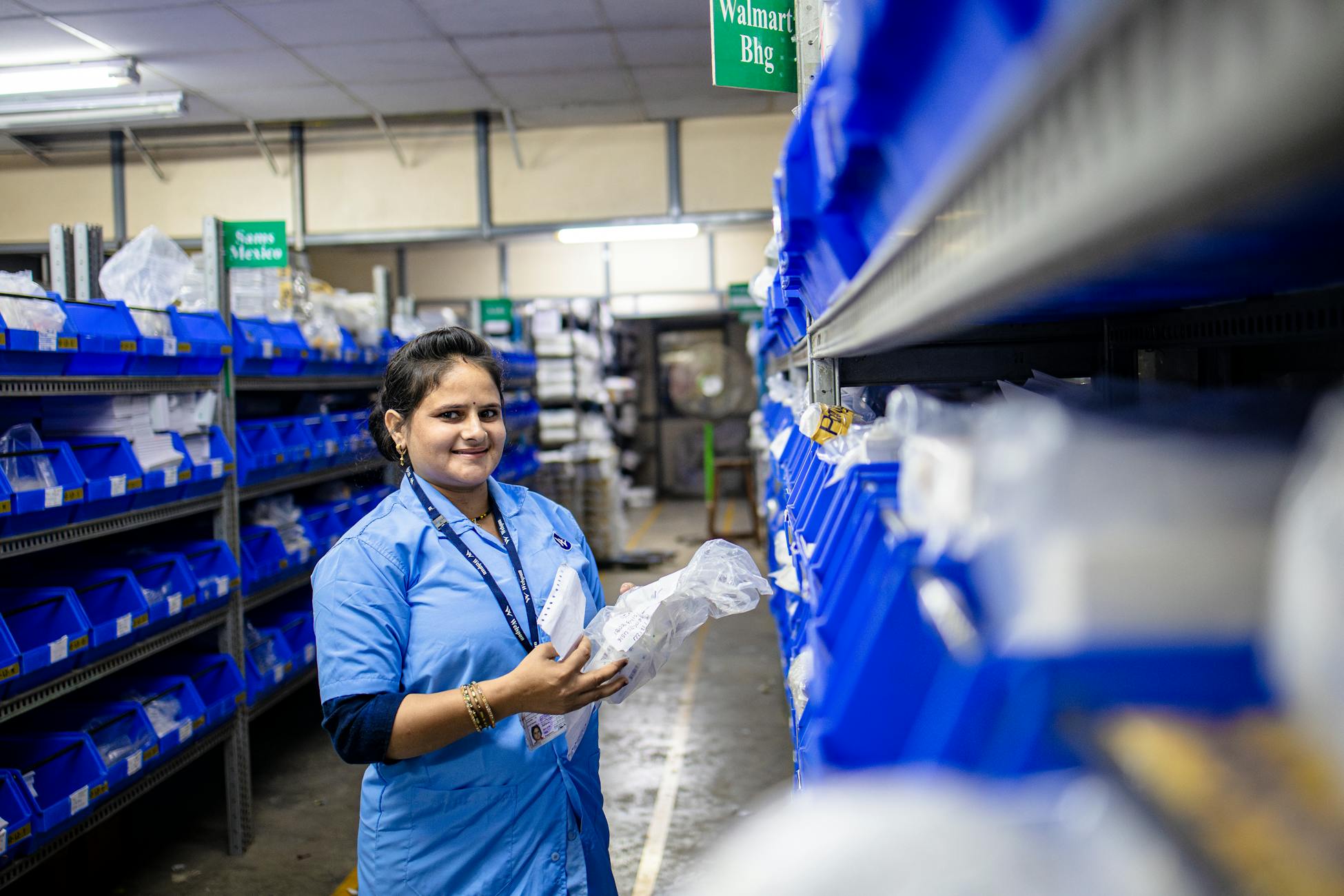
I see this everywhere. People in their sixties and seventies who still wake up at 5:30 AM because the discipline is etched into their nervous system, even though there's nowhere to be. People who maintain tools they'll never use again, who keep a workshop immaculate for projects that stopped making sense a decade ago. The habits survived. The world they were calibrated for did not.
The Plant-Based Question Nobody Asked
And here's where something unexpected connects. The same generation that received no orientation for economic upheaval also received no orientation for the dietary revolution unfolding around them. The food system they grew up in was built on the same industrial logic as their workplaces: efficient, centralized, unquestioned. Meat and dairy were as fundamental to the American plate as a pension was to the American retirement plan. Both felt permanent. Both turned out to be contingent.
When plant-based alternatives began gaining traction, the conversation was aimed squarely at younger consumers. The marketing, the language, the aesthetics of veganism all skewed toward people in their twenties and thirties. Nobody sat down with a sixty-three-year-old retired steelworker and said, "The food you were raised on is connected to patterns of inflammation, heart disease, and environmental destruction, and here are some genuinely satisfying alternatives that don't require you to become a different person."
Instead, the message was often delivered as a moral correction. You've been eating wrong. Your generation damaged the planet. Change or be judged. Which is exactly the wrong approach for people whose internal sense of self-worth was formed without an audience and doesn't respond well to being publicly shamed into transformation.
The parallel is striking. Economic disorientation and dietary disorientation arrived through the same mechanism: the world changed, and the people most affected were expected to figure it out alone, without guidance, without empathy for what they were losing.
What Stays When Everything Shifts
I keep coming back to a particular pattern. When someone loses the structure that organized their life, they don't become formless. They calcify around whatever's left. The retired teacher becomes meticulous about the garden. The laid-off factory worker becomes obsessive about the garage. The widow becomes the one who never misses a church service. These aren't hobbies. They're anchors, attempts to maintain coherence when the larger coherence has fractured.
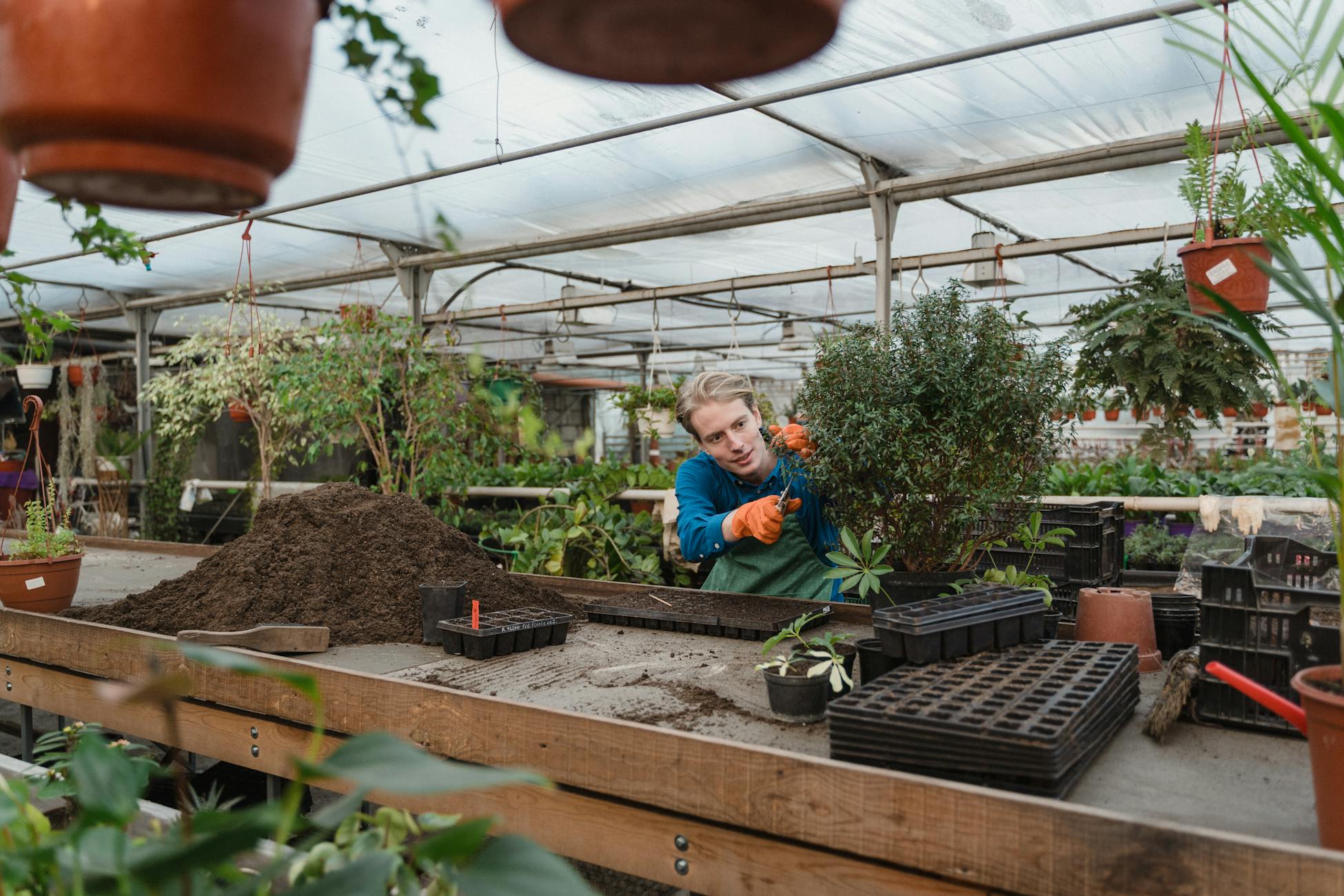
Food works the same way. When everything else has shifted, the meal on the plate becomes a last domain of control and familiarity. Suggesting someone abandon the roast they've made every Sunday for forty years is, on the surface, a nutritional suggestion. Underneath, it's asking them to release one of the few remaining threads connecting them to a world that made sense. Without acknowledging that emotional architecture, every plant-based pitch falls flat.
The people I know who have successfully transitioned toward plant-based eating later in life didn't do it because someone lectured them about cholesterol or carbon footprints. They did it because someone cooked with them. Someone sat at their table and brought something new and didn't make the old thing wrong. There was curiosity instead of correction. Companionship instead of conversion.
Studies on psychological resilience suggest that people adapt better when they have relational support during transitions. The adaptation itself matters less than whether someone walks through it with you. This generation got very little of that walking-with, in any domain.
The Quiet Labor of Staying Upright
What I notice about people born in those years is that many of them are still performing mental strength as a daily practice, without calling it that. They show up. They manage. They don't ask for help because asking for help was never modeled for them and because the systems that might have helped (employer-sponsored counseling, community organizations, union halls) have largely disappeared.
The labor market reflects this disorientation. Boomers are staying in the workforce longer than any previous generation, not always because they want to but because the financial ground shifted beneath them and staying employed feels safer than trusting a retirement system they've watched collapse in real time. They're holding on to roles the way they hold on to Sunday roasts: because letting go means confronting how much has changed without their permission.
And here is the thing about plant-based living that gets missed when it's framed purely as a dietary choice. At its best, it's an act of conscious re-orientation. It says: the systems I inherited aren't serving me or the world, and I'm choosing to build something different. That message could resonate deeply with a generation that has already experienced systemic betrayal, if it were delivered with respect for what they've been through rather than contempt for what they've eaten.
Recognition Without Resolution
I don't have a clean answer for this. I don't think there is one. The generation born between 1945 and 1965 absorbed a particular understanding of how the world works, and then the world stopped working that way. The factories closed. The pensions changed. The dietary guidelines reversed. The cultural assumptions about family, gender, work, and food all shifted, sometimes gradually and sometimes overnight.
What they got in return was a culture that celebrated disruption as inherently good, that treated adaptability as a personal virtue rather than a collective responsibility. If you couldn't keep up, the problem was yours. If you ate the wrong foods, the problem was yours. If you felt lost, the problem was yours.
But disorientation after the map changes isn't a personal failure. It's a predictable consequence of a world that moved on without bothering to bring everyone along. The least we can do, whether we're talking about economic transition or plant-based transition, is acknowledge that asking someone to rebuild their life from the ground up requires more than a pamphlet. It requires presence. It requires patience. It requires someone willing to sit at the table and say, "I know this is different. Let me show you what I've found."
That offer, made without judgment, might be the orientation that was always owed and never given.
If You Were a Healing Herb, Which Would You Be?
Each herb holds a unique kind of magic — soothing, awakening, grounding, or clarifying.
This 9-question quiz reveals the healing plant that mirrors your energy right now and what it says about your natural rhythm.
✨ Instant results. Deeply insightful.

Justin Brown
Justin Brown is a writer and entrepreneur based in Singapore. He explores the intersection of conscious living, personal growth, and modern culture, with a focus on finding meaning in a fast-changing world. When he’s not writing, he’s off-grid in his Land Rover or deep in conversation about purpose, power, and the art of reinvention.
More Articles by Justin