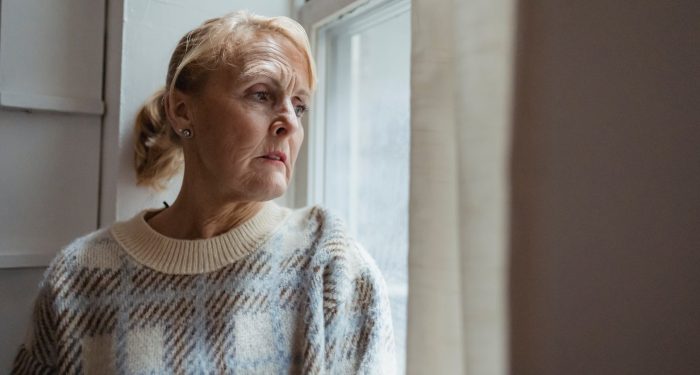
Kindness doesn’t require grand gestures. These simple daily habits show how naturally good people make life brighter for everyone around them.

Add VegOut to your Google News feed. 
When we think about “good people,” it’s easy to imagine extraordinary acts of generosity or self-sacrifice. But in reality, the art of being a good person is usually found in the small, everyday habits. Naturally kind people don’t wear halos or strive for perfection—they practice simple behaviors that make life lighter for everyone around them.
Below are 10 simple habits that define the essence of being a genuinely good person.
1. They listen more than they talk
Good people understand that listening is not the same as waiting for your turn to speak. They create space for others to express themselves fully. By offering their undivided attention—without judgment or interruption—they make others feel heard, validated, and respected.
Psychologists note that active listening builds trust and fosters deeper relationships. It’s not flashy, but the simple act of listening with genuine interest is one of the purest forms of kindness.
2. They give without expecting anything in return
Naturally kind people know that generosity isn’t transactional. Whether it’s offering help, sharing knowledge, or simply lending a hand when someone struggles, they don’t keep score.
This mindset reflects the Buddhist principle of dāna (selfless giving). When you give freely, the reward isn’t material—it’s the satisfaction of knowing you’ve lightened someone else’s load.
3. They practice patience in small moments
Patience is one of the most underrated virtues. Kind people understand that everyone is moving at their own pace, and they don’t snap at slow service, mistakes, or delays.
In daily life, patience often shows up in small but powerful ways: waiting calmly in line, letting someone merge in traffic, or responding gently when a child makes a mess. These moments may seem minor, but they ripple outward, reducing stress for everyone involved.
4. They assume the best in others
Whereas cynicism closes hearts, kindness opens them. Naturally good people give others the benefit of the doubt. They understand that everyone has bad days and that mistakes rarely define who a person truly is.
This doesn’t mean they’re naive—it means they choose compassion over suspicion. When you start with trust instead of doubt, you encourage others to rise to the level of your expectations.
5. They treat everyone with respect—no exceptions
A true test of character is how you treat people who can do nothing for you. Kind people don’t reserve their best manners for bosses or friends; they extend respect to service workers, strangers, children, and even those they disagree with.
Respect, at its core, is about recognizing human dignity. For naturally kind people, this isn’t a performance—it’s second nature.
6. They are mindful with their words
Words can either build bridges or burn them down. Good people are careful with language, avoiding gossip, cruelty, or needless criticism. They know that words carry weight, and once spoken, they can’t be taken back.
Instead, they practice speaking with encouragement and honesty. They don’t sugarcoat the truth, but they deliver it with tact and empathy.
7. They express gratitude regularly
Kind people see gratitude not as an occasional holiday practice, but as a daily habit. They say “thank you” sincerely and often, recognizing that life is full of invisible contributions—whether from a stranger holding the door, a partner doing chores, or a colleague’s effort at work.
Studies in psychology show that gratitude strengthens relationships and increases happiness for both giver and receiver. Naturally kind people make appreciation part of their everyday vocabulary.
8. They apologize sincerely when they’re wrong
No one is perfect. What sets good people apart is their willingness to admit mistakes without ego or defensiveness. They offer genuine apologies—acknowledging the harm caused and taking steps to make amends.
This humility demonstrates emotional maturity. Instead of clinging to pride, they prioritize repairing relationships. In doing so, they model accountability for everyone around them.
9. They notice the little things
Being a good person often means paying attention. Naturally kind people are observant of small details that others might overlook—a friend’s tired eyes, a co-worker’s silence in a meeting, or a neighbor who hasn’t been seen in a while.
By noticing, they’re able to step in with support at the right time. Sometimes it’s as simple as offering a smile or checking in with a quick message. These small gestures can mean more than grand declarations.
10. They live with integrity—even when no one is watching
Integrity is the cornerstone of being a good person. It means aligning actions with values, regardless of external recognition. Good people don’t cut corners, lie, or exploit others for personal gain, even when they know they could “get away with it.”
This consistency builds quiet strength. Over time, others instinctively trust them, because they’ve demonstrated that their goodness isn’t dependent on circumstances—it’s who they are.
Why these habits matter
The world often feels dominated by loud voices, selfish pursuits, and quick wins. But goodness has a different kind of power: it’s steady, quiet, and deeply influential. The habits above may look simple, yet they have profound effects on the lives they touch.
Psychologists call this the “prosocial ripple effect.” When you witness or experience kindness, you’re more likely to pay it forward. In this way, one person’s daily habits can spark waves of generosity far beyond what they’ll ever see.
Practicing the art of being a good person
The truth is, no one is born perfectly kind—we all learn through practice. The art of being a good person is about intentional repetition of these small habits until they become second nature.
Start by choosing one habit from the list and practicing it today. Maybe it’s listening without distraction, saying thank you more often, or slowing down when impatience creeps in. Over time, these micro-acts accumulate into a lifestyle of kindness.
As the Dalai Lama once said:
“Be kind whenever possible. It is always possible.”
And that’s the beauty of it: the art of being a good person isn’t reserved for saints or philosophers—it’s available to all of us, in every moment, with every choice we make.
If You Were a Healing Herb, Which Would You Be?
Each herb holds a unique kind of magic — soothing, awakening, grounding, or clarifying.
This 9-question quiz reveals the healing plant that mirrors your energy right now and what it says about your natural rhythm.
✨ Instant results. Deeply insightful.

Lachlan Brown
Lachlan Brown is a psychology graduate, mindfulness enthusiast, and the bestselling author of Hidden Secrets of Buddhism: How to Live with Maximum Impact and Minimum Ego. Based between Vietnam and Singapore, Lachlan is passionate about blending Eastern wisdom with modern well-being practices.
As the founder of several digital publications, Lachlan has reached millions with his clear, compassionate writing on self-development, relationships, and conscious living. He believes that conscious choices in how we live and connect with others can create powerful ripple effects.
When he’s not writing or running his media business, you’ll find him riding his bike through the streets of Saigon, practicing Vietnamese with his wife, or enjoying a strong black coffee during his time in Singapore.
More Articles by Lachlan