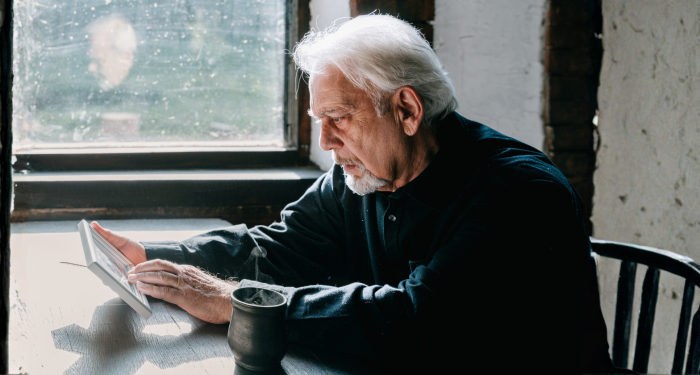
They might seem calm on the outside, but inside, they’re quietly fighting battles no one sees. These 9 subtle habits reveal the hidden anxiety behind the composed exterior.
You’d never guess it at first glance.
They smile at the right moments, nod when they’re supposed to, and handle small talk with effortless grace. They seem chill—sometimes even admired for their “calm energy.”
But beneath the surface?
There’s a constant churn. A low hum of worry. A quiet panic that no one else sees.
I’ve met a lot of people like this—and if I’m honest, I’ve been that person too. I used to think I had to hide my anxiety. Put on a front. Look composed even when I felt like I was falling apart inside.
Over time, I’ve learned that people who carry anxiety beneath a calm exterior often share certain subtle habits. They may not be obvious to the casual observer, but if you know what to look for, they’re there.
Let’s dive into the 9 subtle habits many calm-looking-but-anxious people tend to display—and what they often reveal about the inner world they’re trying to manage.
1. They over-prepare for everything—even small stuff
If someone always double-checks the meeting location, shows up 10 minutes early, and seems unusually prepared for low-stakes events, it might not just be professionalism. It could be anxiety.
For anxious people, preparation becomes a way to feel in control. When the future feels uncertain or overwhelming, prepping for every possible scenario helps soothe the “what ifs” that constantly run through their mind.
They’re not trying to be better than everyone else. They’re just trying to calm the storm inside.
2. They use humor or charm to deflect attention
You know that person who’s always got a quick joke or a funny story? The one who makes everyone else feel at ease?
Sometimes, they’re using that humor as a shield. It’s not fake—it’s just strategic.
If they can keep you laughing or entertained, you’re less likely to notice if their hands are shaking, or if they’re mentally rehearsing how to leave the conversation without seeming weird.
This deflection technique lets them mask their anxiety while still showing up socially.
3. They’re hyper-aware of other people’s moods
People with hidden anxiety often have a finely tuned radar for subtle emotional shifts in others. A slightly raised eyebrow. A change in tone. A longer-than-usual pause.
They pick up on these cues because they’ve trained themselves to. It’s a form of self-protection—if they can sense tension early, they can avoid conflict or adjust their behavior to keep things smooth.
But this constant monitoring comes at a cost. It’s mentally exhausting and leaves very little room for genuine ease.
4. They appear “zen” because they’ve built quiet rituals to stay grounded
Here’s something surprising: a lot of anxious people seem calm because they’ve developed quiet daily practices that look like mindfulness, but really serve as a coping mechanism.
Maybe they always go for a walk at the same time each day. Or they need silence in the morning. Or they’ve developed breathing techniques to calm their nerves before meetings.
In my own journey through anxiety, I found that Buddhist principles—like non-attachment, mindfulness, and radical presence—offered a path toward genuine peace. I go deeper into this in my book, Hidden Secrets of Buddhism: How to Live with Maximum Impact and Minimum Ego. It’s not about eliminating anxiety—it’s about transforming your relationship with it.
5. They say “I’m fine” too quickly
This one’s a classic. You ask how they’re doing, and they say “I’m fine” almost reflexively. Maybe they even smile.
But it’s the speed and definitiveness of that response that can be telling.
People who carry anxiety often feel like they’re a burden. They don’t want to “dump” their feelings on others. So they learn to shut it down quickly, redirect the conversation, and keep the spotlight off their internal chaos.
6. They disappear or “ghost” without explanation
One of the more misunderstood habits of anxious people is their tendency to vanish.
It might happen after a deep conversation, a fun social event, or during a period when everything seemed to be going well. Suddenly they stop replying. Or they cancel plans. Or they seem distant.
It’s not because they don’t care. It’s because their anxiety has flared up, and they don’t have the energy or words to explain what’s going on.
They isolate themselves to recover, often beating themselves up for it the whole time.
7. They constantly replay past conversations in their head
After a social interaction, most people move on. But anxious people? They do a full post-mortem.
They wonder:
-
“Did I talk too much?”
-
“Was that joke weird?”
-
“Did they seem annoyed when I said that?”
This constant rumination is exhausting—but it’s also invisible to outsiders. They may appear calm on the outside, but internally they’re stuck in a loop of overthinking and second-guessing.
8. They downplay their accomplishments
Even when they’ve done something objectively impressive, people with hidden anxiety tend to brush it off. “Oh, it was nothing.” “Just lucky.” “I probably could’ve done better.”
This isn’t just humility—it’s a deep fear of being judged or found lacking. They fear if they own their success, others will expect more… or scrutinize them more harshly.
So they minimize their wins to protect themselves—even when they desperately want to feel proud.
9. They give great advice but struggle to follow it themselves
You might notice these people are incredibly insightful. They’re the first to listen, the first to offer words of comfort, the first to give you perspective.
That’s because they’ve spent so much time analyzing their own thoughts and feelings, they’ve gotten good at emotional reasoning.
But when it comes to applying that wisdom to themselves? That’s the hard part.
They’ll tell you to rest, set boundaries, stop overthinking… but they’ll ignore those very things when it comes to their own life.
Final Thoughts: The stillness isn’t always peace
One of the most profound things I’ve learned—both through personal experience and in writing about psychology and mindfulness for years—is that calmness doesn’t always mean peace.
Sometimes, the people who seem the most serene are waging silent battles. And they’ve become masters at hiding the struggle.
If you recognize yourself in this list, know this: you’re not broken. You’ve just learned how to survive in a world that doesn’t always understand what anxiety feels like from the inside.
But survival isn’t the end goal. Healing is.
And that healing starts with allowing yourself to be seen—not just for the calm exterior, but for the complex, tender, anxious, beautiful person underneath.
If this resonates with you, I explore these themes more deeply in my book, Hidden Secrets of Buddhism: How to Live with Maximum Impact and Minimum Ego. It’s not a book about religion. It’s a guide to facing life’s uncertainty with clarity, courage, and compassion—especially for those of us who feel deeply, worry often, and want more peace than performance.
You're not alone. And you don’t have to keep pretending everything’s fine.
What’s Your Plant-Powered Archetype?
Ever wonder what your everyday habits say about your deeper purpose—and how they ripple out to impact the planet?
This 90-second quiz reveals the plant-powered role you’re here to play, and the tiny shift that makes it even more powerful.
12 fun questions. Instant results. Surprisingly accurate.