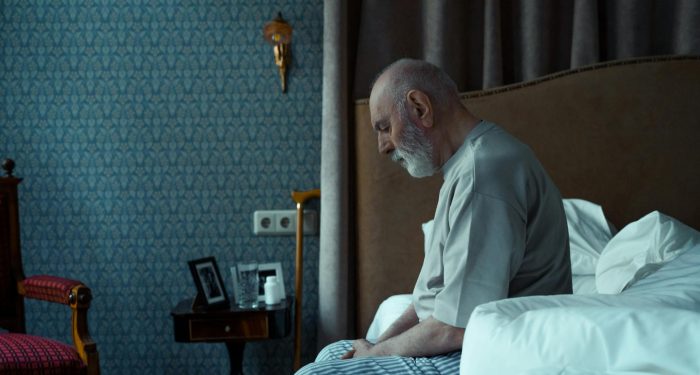
Watching my parents lose their friends has been painful—but also eye-opening.

Add VegOut to your Google News feed. 
As I’ve watched my boomer parents move into their late 60s and early 70s, one of the saddest things I’ve noticed is how their social circle has quietly disappeared.
Once, they had barbecues with friends every weekend, neighbors they could call on for help, and colleagues who became like family. But now, years later, most of those relationships have faded into silence.
It’s not because they’re bad people—far from it. My parents are kind, generous, and thoughtful. But as they got older, I started to notice small habits that slowly pushed people away without them realizing it.
It made me reflect on how easy it is to lose connections as we age—not because we want to, but because our priorities, attitudes, and comfort zones change.
If you’re not mindful, you can wake up one day and realize the phone doesn’t ring anymore.
Here are the 7 habits I saw that quietly caused my parents—and many in their generation—to lose their friends.
1. They stopped initiating contact
When I asked my dad when he last called one of his old mates, he paused for a moment and said, “I don’t know. They never call me either.”
And that’s the problem right there.
Many people wait for others to reach out, assuming friendship is a two-way street that should always feel balanced. But in reality, friendships often survive because one person keeps putting in the effort—and that person can change over time.
When my parents stopped initiating, so did their friends. Nobody meant harm; everyone just got busy, tired, or comfortable. But over time, the silence became the new normal.
Friendship doesn’t fade all at once—it dies slowly through inaction. A simple text, a call, or a shared coffee could have kept some of those connections alive.
2. They let small differences turn into big divides
As my parents grew older, I noticed they became more set in their ways—about politics, lifestyle, and even what kind of restaurants they’d go to. When friends disagreed with them, they often said things like, “We just don’t see eye to eye anymore.”
What they didn’t realize was that most of those disagreements weren’t worth losing a friendship over.
People can love you deeply and still vote differently, eat differently, or live differently.
The older we get, the easier it becomes to mistake comfort for conviction—to think our way is the only right way. But real connection requires tolerance.
My parents didn’t need to agree with everyone—they just needed to stay open. But like many boomers, they grew more rigid, and that rigidity pushed people away.
3. They stopped showing genuine curiosity about others
When you’re young, friendships are built on shared experiences. You ask questions, swap stories, and care deeply about what’s happening in each other’s lives. But as we age, many people stop asking questions and start talking more about themselves.
I saw this with my parents. Conversations became one-sided—updates about their health, their house, their family. Their friends’ lives became secondary, not out of selfishness but out of habit.
Eventually, people stop opening up when they feel unseen.
The truth is, being interested keeps you interesting. When you stop being curious, your social world begins to shrink.
4. They let pride get in the way of vulnerability
One of the hardest lessons I’ve learned from watching my parents is how pride isolates people.
They’d rather act like everything is fine than admit they’re lonely, struggling, or in need of company.
Older generations were often taught to be self-reliant—to tough things out quietly. But that stoicism can create invisible walls.
When you never let people see your softer side, they assume you don’t need them. And before long, they stop trying to get close.
The most connected people I know aren’t the strongest or most successful—they’re the ones willing to say, “Hey, I’ve had a rough week. Want to catch up?”
That kind of honesty keeps friendships real.
5. They neglected new friendships
After retirement, my parents assumed their social world would stay the same. But once work ended, so did a lot of their daily human contact.
They never tried to replace it.
Many boomers fall into this trap. They rely on long-standing friendships without realizing those friendships also need renewal.
People move, grow apart, or pass away—and suddenly, your circle is half its size.
The people who age well socially are the ones who keep planting new seeds—joining groups, volunteering, learning new skills, talking to strangers.
My parents, like many of their peers, forgot that friendship isn’t something you finish—it’s something you continuously build.
6. They focused too much on family—and not enough on community
Once my siblings and I had kids, my parents’ world started revolving around family. They became amazing grandparents—but they stopped being friends to anyone else.
They said things like, “We’re just too busy helping out with the grandkids.” But I could see that wasn’t the full story. They’d fallen into the comfort zone of family life—a predictable, safe space where they didn’t have to make small talk or step outside their bubble.
But family can’t replace friendship.
Friends give you laughter, perspective, and a sense of identity beyond being a parent or grandparent. Without them, life can quietly shrink until your whole world fits inside your living room.
7. They forgot that friendship requires emotional maintenance
This is perhaps the biggest lesson I’ve learned. Friendship isn’t something you “have”—it’s something you tend to.
It needs maintenance, honesty, forgiveness, and shared joy. But many people stop nurturing it once life gets busy or comfortable.
My parents assumed old friendships would last forever because of history. But history only gets you so far. Without new memories, laughter, and moments of connection, even the strongest bond begins to weaken.
Sometimes, it’s not about grand gestures—it’s about small ones: sending a birthday message, inviting someone to dinner, or asking how they’re really doing.
Those simple acts of effort are what keep friendships alive through the decades.
Final thoughts
Watching my parents lose their friends has been painful—but also eye-opening. It’s made me more intentional about my own relationships.
Friendship doesn’t fade because people stop loving each other—it fades because they stop investing in each other.
As we grow older, the temptation is to pull inward—to focus on what’s safe, comfortable, and familiar. But that’s when we need connection the most.
The friendships that survive the test of time are the ones that are watered, not assumed.
If there’s one lesson I’ve learned from my parents’ experience, it’s this: keep reaching out. Be curious. Stay humble. And don’t let pride or comfort make your world smaller.
Because in the end, it’s not the number of years that define a good life—it’s the number of people you can still laugh with when those years start to show.
What’s Your Plant-Powered Archetype?
Ever wonder what your everyday habits say about your deeper purpose—and how they ripple out to impact the planet?
This 90-second quiz reveals the plant-powered role you’re here to play, and the tiny shift that makes it even more powerful.
12 fun questions. Instant results. Surprisingly accurate.