Exhaustion rarely comes from one big thing. It’s the compound effect of micro-leaks: a scattered morning, a dozen tiny yes’s, a desk that whispers “unfinished,” a sleep schedule that never settles, and a feed that chips away at your mood.
If you’re tired even after a decent night’s sleep, you’re not alone. Most people think exhaustion comes from doing too much. Often, it’s the opposite: we leak energy in tiny, invisible ways all day long. Psychology has names for a lot of this—attention residue, decision fatigue, rumination, social comparison—and once you see these patterns, you can plug the leaks fast.
Below are seven everyday habits that quietly flatten your batteries, plus practical ways to stop the drain. No fancy hacks. Just simple changes that give your brain and nervous system what they keep asking you for: focus, rhythm, and recovery.
1) Constant micro-switching
The habit: Bouncing between tasks—Slack, email, a doc, your phone, back to the doc, quick scroll, new tab—every couple of minutes.
Why it drains you: Every time you switch, a bit of attention clings to the last task. Psychologists call this attention residue. It’s like leaving dozens of apps open in the background; your brain’s “RAM” gets chewed up, so everything feels harder.
How to fix it (fast):
-
Time-box the mess. Give yourself 10–15 minutes of “admin flood” to clear quick replies and pings, then close it.
-
Make a single-task box. One browser window, one doc, one goal. Full screen it.
-
Use a “parking lot.” When a random thought pops up, drop it in a notes app and keep going. You’ve captured it—no need to chase it.
Micro-script: Before deep work, say: “For the next 25 minutes, this is the only tab that exists.” Hit a timer. Keep that promise.
2) Starting the day in reaction mode
The habit: You wake, reach for your phone, and let the world set your mood—notifications, headlines, someone else’s priorities.
Why it drains you: Your brain shifts into threat-scanning and social comparison before you’ve taken a breath. It spikes stress and scatters attention, which makes you chase low-value tasks all morning.
How to fix it (fast):
-
Phone-free first 20 minutes. Put it in another room overnight if you must.
-
Tiny morning anchor. One minute of breath, one glass of water, one intention. That’s enough to set your own tone.
-
Plan the one big thing. Write the single outcome that would make today a win. Start there before you check anything.
Upgrade: If you like coffee, earn it. Do your one big thing for 10–15 minutes first. It builds a reward loop around focus, not distraction.
3) Saying “yes” to everything (and resenting it later)
The habit: You’re agreeable, you want to help, and you hate letting people down—so you keep saying yes to “quick favors” and extra commitments.
Why it drains you: People-pleasing burns fuel. It stretches your limited decision-making and creates cognitive load you carry everywhere. When your calendar is full of other people’s goals, your own work gets the scraps of your energy.
How to fix it (fast):
-
Buy time with a buffer. Default reply: “Let me check and get back to you by tomorrow.” This breaks the auto-yes.
-
Say a “clean no.” Short, honest, no apology spiral: “Thanks for asking—I’m at capacity this week.”
-
Offer a bounded yes. If you truly want to help: “I can do 15 minutes on Thursday between 3:00–3:15.”
A quick personal note: I go deep on compassionate boundaries in my book, Hidden Secrets of Buddhism: How to Live with Maximum Impact and Minimum Ego. One of the most freeing ideas I share there is this: a clear no is a gift—to you and to them. It prevents messy half-promises and protects the energy you need for your real priorities.
4) Low-grade rumination (the “thinking that isn’t thinking”)
The habit: Replaying conversations, forecasting worst-case scenarios, picking at tiny mistakes long after they’re over.
Why it drains you: Rumination looks like problem-solving but isn’t. It keeps your nervous system in a mild stress loop and steals the mental space you need for actual solutions or rest.
How to fix it (fast):
-
Name it, then narrow it. “I’m ruminating.” Ask: Is there a decision to make, a conversation to have, or a plan to write? If yes, do the smallest step. If no, label it “not useful now.”
-
Create a worry window. 5–10 minutes at a set time to dump worries on paper. Outside that window, redirect.
-
Move your body. A brisk walk or quick set of squats breaks the loop faster than more thinking.
Mini-mantra: “Return to what I can control in the next 5 minutes.”
5) Living with open loops and visual clutter
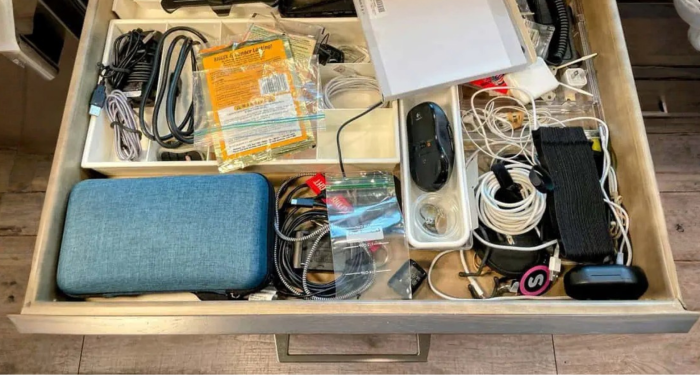
The habit: Half-done tasks, orphaned to-dos, and surfaces that collect stuff—receipts, cables, “I’ll deal with this later.”
Why it drains you: Unfinished tasks stick in memory (the Zeigarnik effect). Your brain keeps pinging you about them, which siphons attention all day.
How to fix it (fast):
-
Two-minute rule. If it takes less than two minutes, finish it now. Don’t file it—finish it.
-
The 3-item board. Each day gets three must-moves. Everything else lives on a later list you don’t look at until tomorrow.
-
Reset rituals. End your workday by clearing your desk and writing tomorrow’s top three. End your week by closing or scheduling any dangling tasks.
Tiny physical win: Clear one square foot of your workspace. Keep it clear for a week. Let it be your island of “done.”
6) Fighting your body’s clock
The habit: Irregular sleep times, late caffeine, bright screens at night, and a belief that you can “catch up” on weekends.
Why it drains you: Your circadian rhythm is a timing system that wants consistency. When sleep and light cues are all over the place, you get social jet lag—foggy mornings, edgy afternoons, and restless nights.
How to fix it (fast):
-
Pick a wake-up time and protect it. Even on weekends, stay within an hour. Consistent wake-up helps bedtime take care of itself.
-
Light in the morning, dim in the evening. Step outside for 2–10 minutes after waking. Reduce bright overheads at night.
-
Mind your caffeine. Most people sleep better if they cut it 8–10 hours before bed. Test your window for a week.
-
Create a pre-sleep glide path. Last 30–60 minutes: low light, low input, low stakes. A book beats a screen here.
(If exhaustion is chronic or severe, check in with a healthcare professional to rule out medical issues like anemia, thyroid concerns, or sleep apnea.)
7) Doomscrolling and the comparison loop
The habit: Quick social checks that turn into 30 minutes of scrolling. You feel wired, then weirdly flat.
Why it drains you: Your brain’s reward system gets hijacked by novelty, outrage, and status cues. That drives social comparison, subtle shame, and a sense that your life is “behind,” even when you’re doing fine.
How to fix it (fast):
-
Make it gray and boring. Turn your phone to grayscale. It reduces the pull far more than you think.
-
Put a speed bump on apps. Move social apps to the last screen in a “Distractions” folder. Add a 10-second app limit or a lock timer.
-
Replace the loop with a lift. Keep one micro-habit on your home screen: notes for gratitude, a breathing app, or an audiobook. When your thumb twitches, open that instead.
Good test: Ask, “Do I feel clearer after this scroll?” If not, your energy just paid for someone else’s business model.
A simple weekly reset that plugs multiple leaks
Try this once a week. It takes 20–30 minutes and returns hours of focus.
-
Close loops. Open your calendar and list every “ugh, I should…” task. Decide: do, schedule, delegate, or delete.
-
Rebuild your three. Choose next week’s three meaningful outcomes. Block the first hour of your day for them.
-
Refresh your spaces. Clear your desk, bag, downloads folder, and phone home screen. One pass.
-
Check your yes’s. Look at every commitment you made last week. Which ones drained you? Practice one clean no this week.
-
Set a screen sunset. Pick a time most nights where your phone leaves the room. Put a book where the phone used to be.
You’ll feel lighter by Monday morning.
When you feel wiped out mid-day, try this 5-minute reset
-
One breath minute: Inhale 4, exhale 6. Repeat 6 cycles.
-
One screen minute: Close every tab you don’t need for the next 25 minutes.
-
One list minute: Write the single next step for the one thing that matters.
-
One body minute: Stand up, shake your arms, roll your shoulders, or walk to the window.
-
One commitment minute: Say no, reschedule, or delegate one low-value task.
Five minutes, real relief.
Put it all together
Exhaustion rarely comes from one big thing. It’s the compound effect of micro-leaks: a scattered morning, a dozen tiny yes’s, a desk that whispers “unfinished,” a sleep schedule that never settles, and a feed that chips away at your mood.
Here’s a simple way to start:
-
Pick one habit from above. Not all seven.
-
Run a 7-day experiment. Make one rule stupidly easy (phone-free first 20 minutes, or three must-moves a day).
-
Track feeling, not perfection. Each evening, rate your energy 1–10 and jot one sentence about what helped.
-
Adjust, don’t judge. If you slip, shorten the habit or move it earlier. Keep going.
You’ll notice something within a week: more steadiness. You won’t feel “high” on motivation—you’ll feel capable. That’s the real goal.
A final word (and a small invitation)
If this piece resonated, you’ll probably appreciate the deeper dive I share in my book, Hidden Secrets of Buddhism: How to Live with Maximum Impact and Minimum Ego. It’s not a book about religion. It’s a practical guide to living with less friction—clearer priorities, kinder boundaries, and a calmer mind you can rely on when life gets loud. If you want more energy, that inner steadiness is where it comes from.
Start small. Choose one change today that gives your brain a break and your body a rhythm. Protect it for seven days. Then add the next one.
Your energy isn’t gone. It’s just tied up in habits you can change.
What’s Your Plant-Powered Archetype?
Ever wonder what your everyday habits say about your deeper purpose—and how they ripple out to impact the planet?
This 90-second quiz reveals the plant-powered role you’re here to play, and the tiny shift that makes it even more powerful.
12 fun questions. Instant results. Surprisingly accurate.