Navigating social situations as a new vegan can feel like learning a new language, but these practical guidelines will help you find your footing with grace.
When I first went vegan at 35, I thought the hardest part would be giving up cheese. I was wrong.
The real challenge was figuring out how to exist in a world that suddenly felt like it was designed to make things awkward. Dinner parties, work lunches, family gatherings, even casual conversations became minefields I didn't know how to navigate.
Five years later, I've stumbled through enough uncomfortable moments to offer you a roadmap. Think of this as the guide I wish someone had handed me on day one. Because here's what I've learned: being vegan isn't just about what you eat.
It's about how you move through the world while staying true to your values and kind to the people around you.
1. Lead with curiosity, not judgment
This might be the single most important piece of advice I can offer. When someone asks about your veganism, or when you're watching a friend order a steak, resist the urge to launch into a lecture.
I know how tempting it is. When you first learn about factory farming or the environmental impact of animal agriculture, you want to shake everyone awake.
But here's what I've noticed: people rarely change their minds because someone made them feel judged. They change when they feel genuinely curious about something new. Ask questions instead of making statements. "Have you ever tried oat milk?" lands very differently than "Dairy is destroying the planet."
What kind of vegan do you want to be remembered as? The one who made people defensive, or the one who made them curious?
2. Always communicate dietary needs in advance
If you're attending a dinner party, wedding, or work event, let the host know about your dietary requirements as early as possible.
This isn't being difficult. It's being considerate. Hosts genuinely want their guests to enjoy themselves, and springing your veganism on them at the last minute puts everyone in an uncomfortable position.
I've found that a simple, warm message works wonders: "I'm so excited for Saturday! I wanted to let you know I'm vegan, so please don't go to any extra trouble. I'm happy to bring a dish to share if that's easier." Offering to contribute takes the pressure off and often opens up a lovely conversation about food.
The key is framing it as information, not a demand. You're helping them help you.
3. Bring something delicious to share
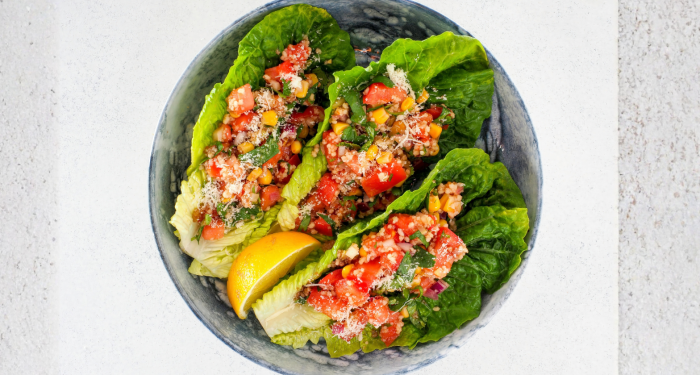
This is my secret weapon at every gathering. When you bring a stunning vegan dish, you accomplish several things at once. You ensure you'll have something satisfying to eat. You take pressure off the host. And you quietly demonstrate that vegan food can be absolutely delicious.
I've converted more people with my cashew-based queso dip than I ever have with arguments. Food is connection. When someone takes a bite of something you made and their eyes light up, that's a moment of genuine curiosity being born.
What's your signature dish? If you don't have one yet, now's the time to develop it.
4. Handle questions with patience and honesty
You will be asked the same questions repeatedly. Where do you get your protein? Don't you miss bacon? What about plants having feelings? These questions can feel exhausting, especially when you've answered them dozens of times.
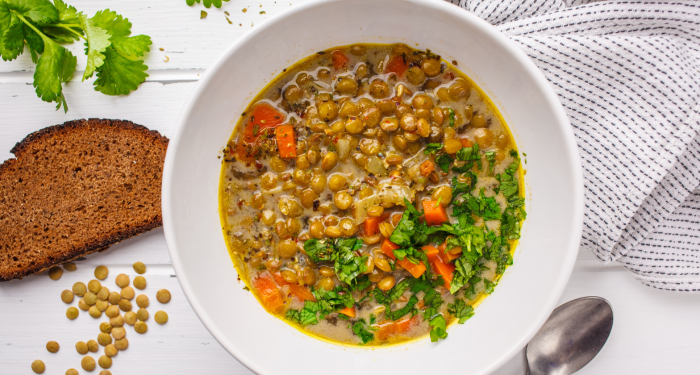
But remember: for the person asking, this might be their first real conversation with a vegan. They deserve your patience, even if you're tired. I keep my answers simple and personal. "I get protein from beans, lentils, tofu, and lots of other sources. I actually feel more energized now than I did before."
Research from the Academy of Nutrition and Dietetics confirms that well-planned vegan diets are nutritionally adequate, so you can speak with confidence.
When I'm feeling worn down, I remind myself that every patient answer plants a seed.
5. Don't police other people's plates
This one took me a while to learn. In my early vegan days, I'd find myself staring at friends' meals with barely concealed horror. I'd make little comments, sighs, or pointed silences. It didn't win me any friends, and it certainly didn't convert anyone.
Your job is to live your values, not to enforce them on others. When you're at a table with non-vegans, focus on your own plate and your own experience. Enjoy your food visibly. Talk about how good it tastes. Let your contentment speak louder than any criticism ever could.
The people around you are on their own journeys. Some may eventually join you. Others won't. Both are okay.
6. Know when to speak up and when to let go
There's a difference between being a doormat and being gracious. If someone is genuinely disrespecting your choices, making cruel jokes, or trying to trick you into eating animal products, you have every right to set a boundary.
A calm, clear statement like "I'd appreciate it if you didn't joke about that" is perfectly appropriate.
But not every comment requires a response. Sometimes Uncle Bob makes a tired joke about rabbit food, and the best move is to smile and change the subject. You get to choose your battles. Save your energy for the conversations that matter.
Ask yourself: will engaging here lead to understanding, or just conflict?
7. Be prepared for imperfection
Here's something nobody told me when I started: you will make mistakes. You'll accidentally eat something with hidden dairy. You'll discover that the wine you've been drinking isn't vegan. You'll buy a product and later realize it contains an animal-derived ingredient.
This doesn't make you a failure. Veganism isn't about purity. It's about doing the best you can with the information and options available to you. The Vegan Society's definition itself acknowledges this, describing veganism as avoiding animal exploitation "as far as is possible and practicable."
Be gentle with yourself. Progress matters more than perfection.
Final thoughts
Navigating the world as a vegan gets easier with time. The awkward moments become less frequent. You develop your go-to responses, your signature dishes, your personal boundaries. You learn which battles are worth fighting and which ones to release.
What I've found, five years in, is that the best vegan etiquette comes down to something simple: be the kind of person others want to be around. Be warm. Be patient. Be genuinely interested in connection rather than conversion. Your example will speak louder than any argument.
And on the days when it all feels like too much? Remember why you started. That clarity will carry you through.
Just launched: Laughing in the Face of Chaos by Rudá Iandê
Exhausted from trying to hold it all together?
You show up. You smile. You say the right things. But under the surface, something’s tightening. Maybe you don’t want to “stay positive” anymore. Maybe you’re done pretending everything’s fine.
This book is your permission slip to stop performing. To understand chaos at its root and all of your emotional layers.
In Laughing in the Face of Chaos, Brazilian shaman Rudá Iandê brings over 30 years of deep, one-on-one work helping people untangle from the roles they’ve been stuck in—so they can return to something real. He exposes the quiet pressure to be good, be successful, be spiritual—and shows how freedom often lives on the other side of that pressure.
This isn’t a book about becoming your best self. It’s about becoming your real self.