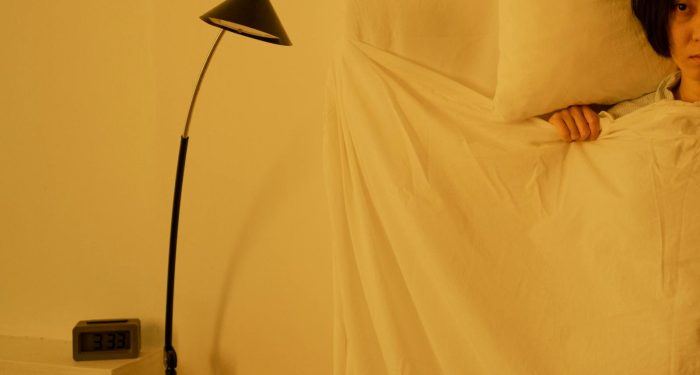
You've spent years replaying criticisms from people who barely knew you, turning their casual cruelty into the brutal standards by which you measure your entire worth.
For years, I measured my worth through other people's scorecards.
Every decision I made got filtered through this exhausting mental committee: Would they approve? Would they think I'm successful enough? Smart enough? Together enough?
I spent my mid-20s feeling lost, anxious, and unfulfilled despite doing everything "right" by conventional standards. Despite having a psychology degree, I struggled to find meaningful work after graduation. I took a warehouse job shifting TVs in Melbourne - but inside? I was running myself ragged trying to meet standards that weren't even mine.
The turning point came when I realized something that changed everything: Self-respect has nothing to do with positive affirmations in the mirror or forcing yourself to feel worthy. It's simpler and harder than that.
It's about finally stopping the endless performance review you're conducting based on the opinions of people who were never rooting for you anyway.
Why we become our own harshest critics
Think about whose voices live rent-free in your head.
Is it the teacher who said you'd never amount to much? The ex who made you feel like you were always too much or not enough? The parent who only noticed your failures?
We internalize these voices without realizing it. They become the lens through which we see ourselves, long after those people have left our lives or lost their relevance.
Here's what's wild: We often give more weight to one critical comment from someone who barely knows us than to years of evidence that we're actually doing just fine.
When I was building Hack Spirit in 2016, I faced crushing imposter syndrome. Who was I to give advice? Every time someone criticized an article or disagreed with a point, I'd spiral. Their opinion would override everything else - the thousands of positive comments, the readers who said the content helped them.
I was auditing my entire worth based on the harshest critics, not the people who actually understood what I was trying to do.
The Buddhist perspective that changed everything
Through studying Buddhism, I learned that suffering often comes from attachment to expectations - especially other people's expectations of who we should be.
There's this concept called "beginner's mind" that really struck me. It's about approaching yourself with fresh eyes, without the baggage of past judgments. What if you looked at yourself the way a kind stranger would, instead of through the harsh filter of people who hurt you?
In my book "Hidden Secrets of Buddhism: How To Live With Maximum Impact and Minimum Ego", I explore how letting go of ego doesn't mean thinking less of yourself. It means thinking of yourself less - specifically, thinking less about how others perceive you.
The principles that saved me became the principles I now share. Sometimes your mess really does become your message.
Recognizing when you're living by someone else's rulebook
How do you know if you're auditing yourself through the wrong eyes?
Here are some signs I've noticed in my own life:
You constantly second-guess decisions that feel right to you because "what would they think?"
You achieve something amazing but immediately downplay it because it wouldn't impress that one person.
You catch yourself apologizing for things that don't need apologies.
You feel exhausted by social interactions because you're performing rather than just being.
You dismiss compliments but obsess over criticisms.
Sound familiar?
I remember achieving a milestone with my writing - getting published in a major publication - and my first thought wasn't celebration. It was wondering if it was impressive enough for people who hadn't spoken to me in years. People whose opinions shouldn't have mattered anymore.
That's when you know the internal audit system needs a complete overhaul.
The difference between self-love and self-respect
Here's something nobody talks about: You don't need to love everything about yourself to have self-respect.
Self-love can feel forced, especially when you're going through a rough patch. How can you love yourself when you just made a huge mistake or when you're not where you want to be in life?
But self-respect? That's different.
Self-respect means refusing to let people who don't care about your wellbeing dictate how you see yourself. It means setting boundaries with your own thoughts. It means catching yourself when you start that familiar spiral of harsh self-judgment and asking: Whose voice is this, really?
I had to unlearn the belief that happiness comes from achievement. It actually comes from presence - being present with who you are right now, not who others think you should be.
Practical ways to stop the harmful audit
So how do you actually break this pattern?
First, start noticing whose opinions trigger your harshest self-criticism. Write them down. Then ask yourself: Do these people actually have my best interests at heart? Do they even know the real me?
When you catch yourself in harsh self-judgment, pause and ask: Would I talk to a good friend this way? The answer is usually no. We extend compassion to others that we deny ourselves.
Create what I call a "reality check list." These are facts about yourself that remain true regardless of anyone's opinion. Maybe you're a loyal friend. Maybe you show up for people. Maybe you're trying your best with what you have. These aren't up for debate based on someone's mood or opinion.
Start small. Pick one area where you always second-guess yourself and make a decision based solely on what feels right to you. Don't ask for validation. Don't explain yourself. Just do it and notice how it feels.
Building genuine self-respect
Real self-respect isn't loud or showy. It's quiet and consistent.
It's choosing jobs, relationships, and commitments based on your values, not on what looks good to others. It's saying no without a lengthy explanation. It's admitting mistakes without turning them into evidence that you're worthless.
Most importantly, it's recognizing that the people whose opinions matter are the ones who see you clearly and want you to thrive. Everyone else? They're just noise.
In my book "Hidden Secrets of Buddhism: How To Live With Maximum Impact and Minimum Ego", I talk about how true confidence comes from alignment with your values, not from meeting external standards. When you know what matters to you and live accordingly, the opinions of people who never understood you anyway start to lose their power.
Final words
The journey from self-auditing to self-respect isn't instant. Those critical voices have been there for years, maybe decades. They won't disappear overnight.
But every time you catch yourself measuring your worth through someone else's broken ruler, you get a chance to choose differently. Every time you refuse to apologize for being yourself, you build a little more self-respect.
You don't need to love every part of yourself. You don't need to feel amazing all the time. You just need to stop giving people who never cared about your happiness the power to determine your worth.
Your value was never up for debate. The only question is whether you're ready to stop letting people who failed you write your performance reviews.
The answer, I hope, is yes.