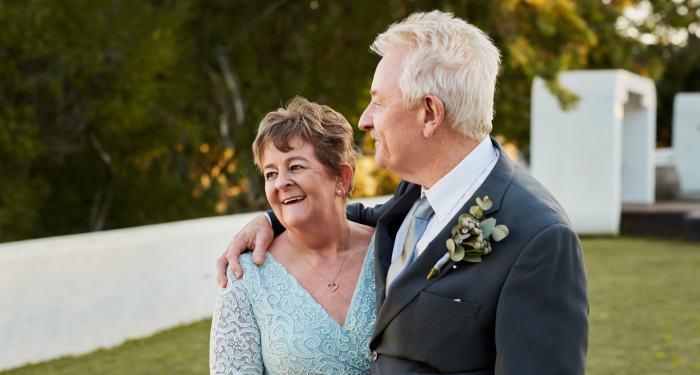
After decades of dutiful role-playing and meeting everyone else's expectations, the motorcycle-buying, career-quitting fifty-somethings aren't losing their minds—they're finally finding them.

Add VegOut to your Google News feed. 
Remember when your dad bought that motorcycle at 52 and everyone whispered about his "midlife crisis"? Or when your aunt quit her corporate job to start a bakery and family members exchanged worried glances?
We've been getting it wrong this whole time.
What looks like a crisis from the outside might actually be the most psychologically healthy thing happening. After decades of playing roles, meeting expectations, and keeping up appearances, something shifts. The facade cracks. And for the first time in years, maybe decades, people start having real conversations with themselves about who they actually are.
Deborah Heiser Ph.D., psychologist and author, puts it perfectly: "Midlife is not a time for crisis but an opportunity for reinvention."
Think about it. How many decisions have you made based on what you thought you should do versus what you genuinely wanted? How many times have you silenced that inner voice because it didn't align with the script you were handed?
The truth beneath the surface
I've watched this phenomenon unfold countless times. Friends' parents suddenly selling everything to travel. Former colleagues abandoning six-figure salaries to teach yoga. These aren't breakdowns. They're breakthroughs.
Research from the National Bureau of Economic Research in 2022 documented a midlife crisis among inhabitants of rich nations, highlighting a paradox where individuals in their 40s and 50s experience psychological distress despite peak earnings and good health.
But here's what the research misses when it focuses only on the distress: that discomfort is often the catalyst for authentic transformation.
When I made my own radical life change, leaving Australia for South East Asia in my twenties, people thought I was running away from something. In reality, I was running toward myself. I'd spent years feeling lost and anxious despite doing everything "right" by conventional standards. Sound familiar?
The difference is, I had that conversation with myself early. Most people don't get there until their fifties, when the accumulated weight of living someone else's life becomes unbearable.
Why authenticity takes decades
You might wonder why it takes so long for people to wake up to their own desires and dreams. The answer is both simple and heartbreaking: we're trained from birth to prioritize external validation over internal wisdom.
School teaches us to follow rules. Work rewards conformity. Family expects tradition. By the time we hit fifty, we've spent decades building a life that looks successful from the outside but feels empty within.
In my book, Hidden Secrets of Buddhism: How To Live With Maximum Impact and Minimum Ego, I explore how Eastern philosophy addresses this disconnect between our external achievements and internal fulfillment. The Buddhist concept of "beginner's mind" becomes especially relevant here. After fifty, people finally give themselves permission to be beginners again.
Elaine Dundon, author and speaker, nails it: "We are facing a crisis of meaning."
That crisis isn't age-specific, but it often takes decades of living meaninglessly before we notice.
The psychology of radical change
What's happening in the brain when someone suddenly upends their entire life after fifty? It's not impulsivity or regression. It's integration.
A study published in the Journal of Adult Development in 2025 explored how middle-aged individuals process difficult experiences, suggesting that confronting past challenges can lead to personal growth and a re-evaluation of one's life narrative during midlife.
This re-evaluation isn't random. It's the culmination of years of suppressed truths finally demanding attention. Every compromise, every "maybe later," every dream deferred adds up until the psychological pressure becomes impossible to ignore.
Richard Gater, psychologist, reminds us that "People aren't stuck in a fixed box."
Yet we act like we are, until something forces us to question the walls we've built around ourselves.
The courage of honest conversation
Having an honest conversation with yourself after decades of self-deception requires extraordinary courage. It means admitting you've been living for others. It means acknowledging wasted years. It means facing the terrifying question: "If not now, when?"
I learned through my psychology studies at Deakin University that our brains are wired to avoid this kind of psychological discomfort. We'll do almost anything to maintain our existing narratives, even when they're making us miserable.
But here's what I've discovered both personally and through years of writing about personal development: the discomfort of staying the same eventually exceeds the discomfort of change.
Deborah Heiser, Ph.D., captures this perfectly: "Midlife is a time to ask bold, meaningful questions."
Questions like: What would I do if I wasn't afraid? Who would I be if I stopped performing? What life would I create if I started from scratch?
Beyond the stereotypes
A 2025 study in the Journal of Midlife Health reviewed literature on midlife crises in women, emphasizing the complexity of this experience and the need for comprehensive coping strategies beyond the effects of menopause.
This complexity extends to everyone experiencing midlife transformation. It's not about hormones or empty nests or fear of aging. It's about finally having the maturity and perspective to recognize that the life you built might not be the life you want.
Connie Zweig Ph.D., psychologist and author, observes that "The new longevity is changing the nature of 'old.'"
When you realize you might have another forty years ahead, suddenly the cost of maintaining a false self becomes untenable.
Final words
The next time you hear about someone making a radical life change after fifty, resist the urge to call it a crisis. What you're witnessing is possibly the bravest thing they've ever done: choosing authenticity over approval, meaning over momentum, truth over tradition.
I had to unlearn the belief that happiness comes from achievement. It comes from presence. From alignment. From having the courage to be who you really are, not who you think you should be.
These late-life transformations aren't about running from death or chasing youth. They're about finally running toward life, perhaps for the first time. They're about people who've spent decades in costume finally stepping out as themselves.
And if that looks like crisis to the outside world? Well, maybe that says more about the observers than the observed.
The honest conversation you have with yourself at fifty might be decades overdue, but it's never too late to start. The question isn't whether you're having a midlife crisis. The question is whether you're brave enough to have a midlife awakening.