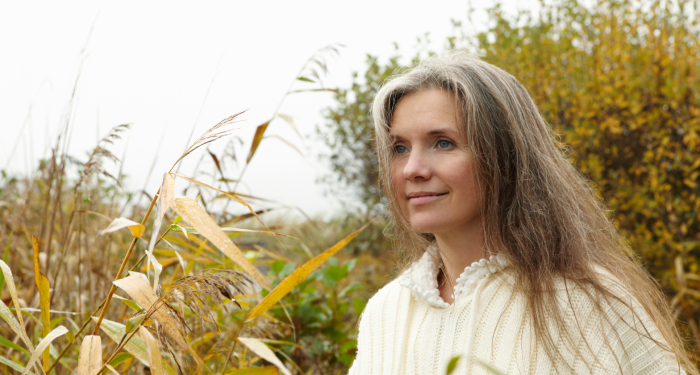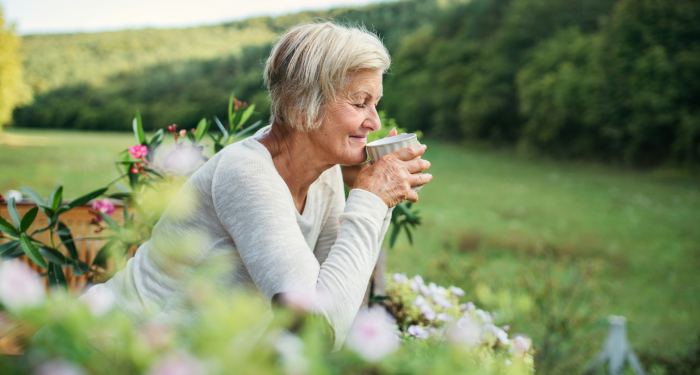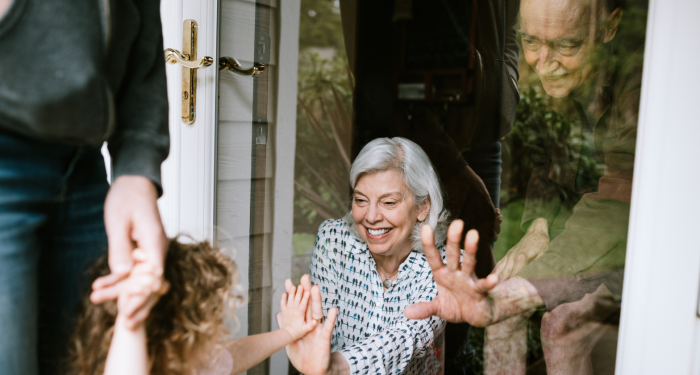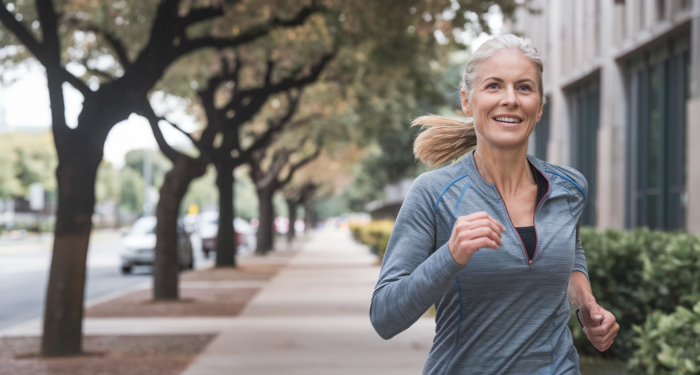
While scientists have long attributed youthful appearances to genetic lottery winners, new psychological research reveals that people who look decades younger after 60 have been secretly following nine specific lifestyle patterns since their 30s and 40s — habits so simple yet powerful that most of us overlook them entirely.

Add VegOut to your Google News feed. 
Ever notice how some people seem to defy time itself? You know the ones — they hit 60 and look like they've barely crossed 45, while others their age appear decades older.
For years, I assumed it was all genetics. Lucky DNA, right? But diving into the psychology research changed my perspective entirely.
These age-defiers aren't just blessed with good genes. They've been quietly following specific lifestyle patterns for decades — long before anti-aging became a billion-dollar industry.
What's fascinating is that most of these habits started in their 30s and 40s, when nobody was thinking about how they'd look at 60. They weren't following trends or buying expensive serums. They were just living in ways that, it turns out, preserve both body and mind.
The research is clear: how we age isn't just written in our genetic code. It's written in the thousands of small decisions we make every single day.
Let me share the nine patterns that psychology has identified in people who look significantly younger after 60.
1. They started protecting their skin decades ago
Here's something that caught me off guard when I first learned about it. The sun damage you see on someone's face at 60? Most of it happened in their 20s and 30s.
As Dr. Lortscher, a dermatologist, explains: "The hard part is there's a delay between when sun exposure occurred and when its effects manifest."
Think about that for a second. The beach days without sunscreen, the tanning sessions, the hours spent outside without protection — they're all showing up decades later.
People who look younger after 60 didn't wait until wrinkles appeared to start caring. They wore sunscreen religiously, even on cloudy days. They sought shade during peak hours. They made sun protection as routine as brushing their teeth.
Living in Singapore now, where the sun is intense year-round, I've become militant about sunscreen. Not because I'm worried about how I'll look at 60 (though that's part of it), but because I understand the cumulative nature of sun damage.
2. They never compromised on sleep
Sleep might be the most underrated anti-aging tool we have. And I'm not talking about beauty sleep in the superficial sense.
Dr. Smith, a medical reviewer, puts it bluntly: "Even one night of sleep deprivation can age a person, causing cells to age faster in older adults."
One night. That's all it takes to accelerate cellular aging.
The people who look younger after 60 treated sleep as sacred. While their peers were burning the midnight oil or binge-watching until 2 AM, they were in bed by 10:30. Consistently.
In my book Hidden Secrets of Buddhism: How To Live With Maximum Impact and Minimum Ego, I explore how Buddhist monks prioritize sleep as part of their practice. It's not laziness — it's wisdom. Your body repairs itself during sleep. Your brain clears out toxins. Your skin regenerates.
I've made sleep non-negotiable in my own life. Even when traveling between time zones, I protect those 7-8 hours like they're gold. Because they are.
3. They never started smoking (or quit early)
This one seems obvious, but the research on smoking and aging is more dramatic than most people realize.
According to Mayo Clinic Staff, "Smoking plays a part in the hardening of the arteries. It also raises the blood pressure and heart rate."
But beyond the internal damage, smoking literally changes your face. It causes premature wrinkles, yellows teeth, and thins the skin. People who look younger after 60 either never touched a cigarette or quit in their 30s or 40s — giving their bodies decades to recover.
4. They maintained impeccable dental hygiene
Want to know one of the biggest giveaways of age that nobody talks about? Your teeth and gums.
Dr. Edmond Hewlett, Professor of Restorative Dentistry, shares this insight: "The adage 'long in the tooth,' used to describe older persons, reflects the fact that gum disease causes gums to recede and teeth to appear longer as a result."
People who look younger after 60 didn't just brush twice a day. They flossed religiously. They got regular cleanings. They addressed dental issues immediately instead of letting them fester.
Healthy teeth and gums do more than just improve your smile. They affect your jawline, your facial structure, and even your overall health. Poor dental hygiene has been linked to heart disease, diabetes, and other conditions that accelerate aging.
5. They managed stress through consistent practices
Chronic stress doesn't just feel terrible — it literally ages you at the cellular level.
Dr. Tsao, Director of the Wellman Center for Photomedicine at Massachusetts General Hospital, notes: "When we're deprived of sufficient quality sleep, we turn on an inflammatory process in the body that will show up as tired-appearing skin."
The people who age gracefully developed stress management techniques early. Maybe it was meditation, yoga, or regular exercise. For me, it's running in the tropical heat — using physical discomfort as a mindfulness tool. The sweat, the burn in my lungs, the focus required to keep going — it all pulls me into the present moment.
They didn't wait for a health scare or burnout to start managing stress. They built these practices into their daily routines decades ago.
6. They stayed physically active consistently
Not intensely. Consistently.
The younger-looking 60-somethings weren't necessarily marathon runners or gym rats. But they moved their bodies regularly for decades. A daily walk. Weekend hikes. Dancing. Swimming.
Research from the Icahn School of Medicine at Mount Sinai indicates that smoking, excessive sun exposure, and inadequate dental care are linked to an older perceived facial age, highlighting the impact of these lifestyle choices on facial appearance.
Physical activity keeps your muscles toned, your posture upright, and your energy levels high. It improves circulation, bringing nutrients to your skin. It helps you sleep better and manage stress.
In Hidden Secrets of Buddhism: How To Live With Maximum Impact and Minimum Ego, I discuss how Buddhist monks incorporate movement into their spiritual practice. Walking meditation isn't just good for the soul — it's good for the body too.
7. They maintained a positive outlook on aging
This might be the most surprising pattern of all.
Willow Lawson reports on a 2002 Yale University study in the Journal of Personality and Social Psychology that found people who have a positive perception of aging tend to live seven and a half years longer than those who don't.
Seven and a half years. Just from your attitude about getting older.
People who look younger after 60 didn't dread birthdays. They didn't constantly complain about getting old. They embraced each decade with curiosity and optimism. They focused on what they were gaining — wisdom, perspective, freedom — rather than what they were losing.
8. They avoided excessive alcohol
A glass of wine with dinner? Fine. But regular heavy drinking? That's a different story.
A study published in the Journal of Epidemiology & Community Health found that heavy drinking and smoking can visibly accelerate signs of aging, with individuals engaging in these behaviors more likely to develop age-related eye changes and wrinkles.
The people who age well understood moderation. They didn't use alcohol as a stress management tool or social crutch. They could have fun without getting drunk. They prioritized clear mornings over fuzzy nights.
9. They used quality skincare products appropriately
Finally, while they didn't obsess over every new anti-aging trend, they did use proven skincare ingredients consistently.
The Healthline Editorial Team notes that a 2021 review highlighted the benefits of retinol on aging skin, including: increasing production of elastin and collagen; reducing water loss from the skin; improving elasticity; absorbing UV radiation.
But here's the key — they started using these products in their 30s and 40s, not when wrinkles had already set in. And they used them correctly, not excessively. They understood that skincare is a marathon, not a sprint.
Final words
Looking at these nine patterns, what strikes me most is their simplicity. None of these habits require expensive equipment or revolutionary techniques. They're basic lifestyle choices, made consistently over decades.
The real secret isn't in any single habit. It's in the compound effect of all these small decisions, day after day, year after year.
If you're in your 30s or 40s reading this, you're at the perfect age to start. Not because you should be worried about wrinkles, but because these habits improve your quality of life right now. Better sleep, less stress, more energy — these benefits are immediate.
The younger-looking 60-year-olds didn't set out to look young. They set out to live well. Looking great was just the natural consequence.
What’s Your Plant-Powered Archetype?
Ever wonder what your everyday habits say about your deeper purpose—and how they ripple out to impact the planet?
This 90-second quiz reveals the plant-powered role you’re here to play, and the tiny shift that makes it even more powerful.
12 fun questions. Instant results. Surprisingly accurate.