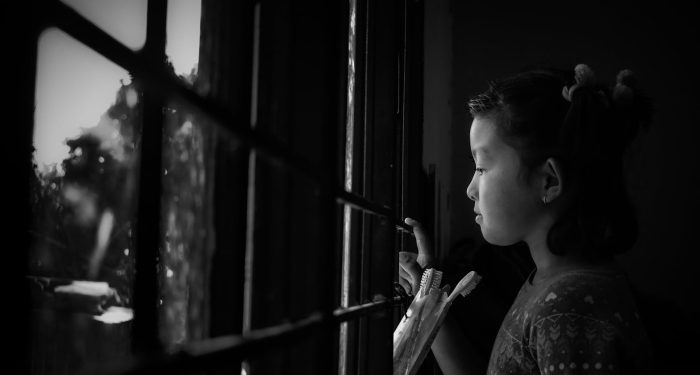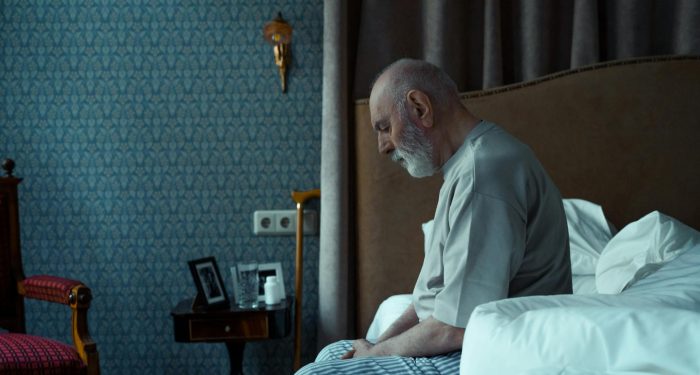
The most devastating form of retirement loneliness doesn't come from an empty house - it comes from realizing that after decades of workplace performances, not a single colleague actually knows who you really are, and neither do you.

Add VegOut to your Google News feed. 
You'd think the loneliest retirees would be the ones living alone, right? The ones with no partner to share morning coffee with, no one to talk to about the day's news.
But here's what psychology actually tells us: the deepest loneliness in retirement often hits those who spent their entire careers wearing a mask.
Think about it. For decades, you showed up to work as the "professional you." The one who never had a bad day. The one who laughed at the boss's terrible jokes. The one who kept personal struggles locked away because vulnerability wasn't part of your job description.
Now you're retired, and suddenly you realize something devastating: nobody actually knows who you are. Not your coworkers who saw you every day for 30 years. Maybe not even yourself.
The identity crisis nobody talks about
According to Psychology Today, "Retirement, while often viewed as a period of well-deserved rest, can also be a time of significant identity loss."
But it's not just about losing your job title. It's about realizing that the person everyone knew at work was essentially a character you played. And now that the show's over, you're left wondering who you actually are beneath all that performance.
I've seen this with people close to me. They retire after successful careers, expecting freedom and relaxation. Instead, they feel hollow. Lost. Like actors without a script for the first time in decades.
The problem isn't retirement itself. It's that they spent so long being who they thought they needed to be that they forgot who they actually were.
## Why the "work you" became your only you
Here's something that might surprise you: Society of Actuaries research shows that "Retirement increases your risk of clinical depression by 40%."
That's not just about missing the routine or the paycheck. It's about what happens when your entire identity collapses.
Most of us don't consciously decide to hide our true selves at work. It happens gradually. You learn what gets rewarded and what gets punished. You figure out which version of yourself gets promoted and which one gets passed over.
Before you know it, you're performing eight hours a day, five days a week, for decades.
In my book, Hidden Secrets of Buddhism: How To Live With Maximum Impact and Minimum Ego, I explore how Buddhism teaches us about the masks we wear and the suffering they create. The workplace mask might be the heaviest one we carry.
The social connections that weren't really connections
You know what's really messed up? You can work alongside someone for 20 years and never have a real conversation with them.
Sure, you talked about projects, deadlines, weekend plans. But did you ever share your fears? Your real dreams? The things that kept you up at night?
Research from BMC Public Health found that involuntary retirement leads to higher loneliness, but strong positive social support can alleviate this effect. The problem? If your work relationships were all surface-level performances, you don't have that support when you need it most.
I remember feeling this way even in my mid-20s, long before retirement was on my radar. Despite doing everything "right" by conventional standards, I felt completely disconnected from the people around me. The difference was, I had time to course-correct.
When retirement reveals the stranger in the mirror
BMC Public Health notes that "Retirement is a major transition in aging, with changes in routine, identity, finances, and social connections, and subsequently mental and physical health."
But what they don't capture is the existential crisis that hits when you realize you don't know what you actually enjoy doing. When Sunday used to be about recovering from the work week, and now every day is Sunday, what do you do with yourself?
The hobbies you claimed to have? Turns out they were just things you said in job interviews. The interests you talked about at networking events? You can barely remember why you mentioned them.
You spent so long being productive, being valuable, being needed, that you never learned how to just be.
Breaking free from the performance trap
So what's the solution if you're not retired yet? Start dismantling the mask now.
I learned this the hard way. Growing up as the quieter brother, I thought observation and reflection made me weak. So I built walls. I performed confidence I didn't feel. And it worked, professionally. But personally? I was dying inside.
Lexiconology reports that "Retirement can bring about significant psychological shifts that may lead to various mental health challenges." But these challenges are amplified when you've never let anyone see the real you.
Start small. Share one genuine thing about yourself at work tomorrow. Not your weekend plans or your thoughts on the weather. Something real. Something that matters to you.
Yes, it's terrifying. Vulnerability feels like weakness when you've spent decades in armor. But here's what I've learned: hiding your emotions doesn't protect you. It just creates distance. And that distance becomes loneliness, especially when the work mask finally comes off.
The unexpected freedom of being known
Want to know something interesting? Research in the Journal of Happiness Studies found that older adults who continue working after retirement age report better life satisfaction and emotional well-being compared to those who don't work.
But I don't think it's about the work itself. It's about having another chance to show up differently. To be more authentic. To build real connections instead of professional networks.
Kiplinger notes that retirees often struggle with the loss of identity, social connections, routine, and purpose that were tied to their careers. But what if those things were never really yours to begin with? What if they belonged to the character you played, not the person you are?
Final words
Retirement Living puts it simply: "Retirement can be freeing — and unexpectedly lonely."
But the loneliness isn't really about retirement. It's about realizing you spent decades performing instead of living. It's about discovering that the colleagues you thought were friends don't know the first real thing about you. It's about looking in the mirror and seeing a stranger.
The good news? It's never too late to drop the act. Whether you're 35 or 65, you can start showing up as yourself. You can build genuine connections. You can discover what you actually enjoy when nobody's watching or evaluating your performance.
Researchers Alen Greš, Nika Spasić, and Dijana Staver describe retirement as "a major life event characterized by the cessation of professional activities and the loss of regular income." But maybe it's also an opportunity. A chance to finally stop performing and start living.
The loneliest retirees aren't the ones who live alone. They're the ones who realize they've been alone all along, hidden behind a professional mask that nobody ever saw through. Don't wait until retirement to take yours off.