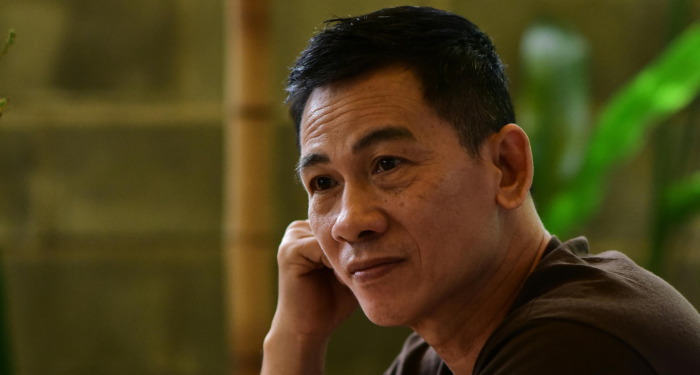
Despite the twinkling lights and cheerful carols, millions of people unknowingly sabotage their own well-being through subtle behaviors that deepen their isolation during what's supposed to be the most joyful time of year.

Add VegOut to your Google News feed. 
The holidays hit different when you're feeling lonely, don't they?
While everyone's posting perfect family photos and talking about their plans, you're sitting there wondering why the "most wonderful time of the year" feels like the hardest. I've been there. During my warehouse job days, when I felt like my psychology degree was collecting dust and my life was going nowhere, the holidays were brutal reminders of how disconnected I felt.
Here's what I've learned since then: loneliness during the holidays often shows up in ways we don't even recognize. We develop certain behaviors that actually make us feel worse, creating a cycle that's hard to break.
If you're feeling isolated this holiday season, you might be displaying these eight behaviors without even realizing it. Understanding them is the first step to changing them.
1. Scrolling through social media obsessively
You know that feeling when you open Instagram "just for a minute" and suddenly it's 2 AM and you're deep into your ex's cousin's holiday party photos?
When we're lonely, social media becomes both our escape and our torture chamber. We scroll endlessly, comparing our quiet evening to everyone else's seemingly perfect celebrations. Each happy family photo feels like a reminder of what we're missing.
The cruel irony? The more we scroll, the lonelier we feel. Studies show that excessive social media use actually increases feelings of isolation. We're seeking connection but finding comparison instead.
I used to do this constantly during my anxious twenties. Every scroll fed my worry that everyone else had figured out life while I was stuck. Breaking this habit was one of the hardest but most important steps in finding peace.
2. Declining invitations preemptively
"Thanks, but I'm busy that night."
Sound familiar? When loneliness takes hold, we often reject invitations before they're even offered. We assume we won't fit in, that people are inviting us out of pity, or that we'll just bring the mood down.
This preemptive rejection becomes a self-fulfilling prophecy. We decline enough times, and eventually, people stop asking. Then we use their silence as proof that nobody really wanted us there anyway.
In my book, Hidden Secrets of Buddhism: How To Live With Maximum Impact and Minimum Ego, I write about how our ego creates stories that keep us stuck. This is a perfect example. We're so afraid of rejection that we reject ourselves first.
3. Over-functioning to avoid feelings
Ever notice how some people become cleaning machines during the holidays? Or suddenly decide to reorganize their entire house?
When we're lonely, staying busy feels safer than sitting with our emotions. We throw ourselves into tasks, work overtime, or create projects that "absolutely must" be done right now. Anything to avoid the quiet moments when feelings might surface.
This was my go-to strategy for years. If I kept moving, kept achieving, kept ticking boxes, maybe I wouldn't notice the emptiness. Spoiler alert: it doesn't work. The feelings are still there, waiting for you when you finally stop.
4. Changing sleep patterns dramatically
Loneliness messes with our sleep in weird ways. Some of us stay up until dawn because nighttime feels endless when you're alone. Others sleep twelve hours a day because being unconscious feels better than being awake.
These disrupted patterns create a vicious cycle. Poor sleep makes us more emotionally vulnerable, which intensifies loneliness, which further disrupts sleep. Before we know it, we're completely out of sync with the world around us.
The holidays make this worse because everyone else seems to be on a different schedule anyway. There are parties we're not attending and traditions we're not part of, so why bother maintaining normal hours?
5. Eating in extremes
Food becomes complicated when we're lonely during the holidays. Some of us stop eating properly, surviving on coffee and whatever's easiest. Others use food to fill the emotional void, especially with holiday treats everywhere.
Neither extreme is really about food. We're trying to control something, anything, when life feels out of control. Or we're seeking comfort in the only way that feels available.
During my lowest points, I'd forget to eat all day, then binge on junk food at night while scrolling through my phone. It was a way to numb out, to feel something other than lonely, even if that something was just the temporary satisfaction of comfort food.
6. Creating unnecessary conflicts
This one's sneaky. When we're deeply lonely, we sometimes pick fights or create drama without realizing why. Maybe we're harsh with a store clerk, start an argument in a comments section, or rehash old grievances with family.
What's really happening? We're seeking connection, even if it's negative. Any interaction feels better than no interaction. Plus, anger feels more powerful than sadness, so we unconsciously choose the emotion that makes us feel less vulnerable.
I explore this in Hidden Secrets of Buddhism: How To Live With Maximum Impact and Minimum Ego. Sometimes our ego prefers conflict to vulnerability because at least in conflict, we feel like we're protecting something.
7. Overthinking past relationships
The holidays have a way of making us nostalgic for relationships that weren't even that great. Suddenly, that toxic ex seems not so bad. That friend who always disappointed us? Maybe we were too harsh.
We replay conversations from years ago, wondering what we could have done differently. We imagine alternate timelines where we made different choices and ended up less alone. We even consider reaching out to people we know we shouldn't contact.
This mental time travel keeps us stuck. We're so focused on what was or what could have been that we miss opportunities for connection in the present.
8. Pretending everything is fine
Perhaps the most isolating behavior is the mask we wear. When someone asks how we're doing, we automatically say "great!" We post cheerful updates. We act like the holidays are just another time of year, no big deal.
This performance is exhausting. We're using energy we don't have to maintain an illusion nobody's buying. Worse, it prevents genuine connection. How can anyone support us when we won't admit we're struggling?
I spent years perfecting this act. Even when anxiety was eating me alive, I'd smile and say everything was fine. The breakthrough came when I finally admitted I wasn't okay. That vulnerability, as terrifying as it was, opened doors to real connection.
Final words
If you recognized yourself in these behaviors, you're not broken. You're human, dealing with one of the most fundamental human experiences: loneliness.
The holidays amplify everything. The joy is louder, the traditions more visible, and yes, the loneliness feels deeper. But recognizing these patterns is powerful. Once you see them, you can start to change them.
Start small. Maybe respond to one text instead of scrolling. Accept one invitation, even if it scares you. Admit to one person that the holidays are hard for you.
Remember, millions of people feel exactly like you do right now. The highlight reels on social media aren't the whole story. Behind many of those perfect family photos are people who understand loneliness more than they let on.
You're not as alone as you think. And this season, like all seasons, will pass.
What’s Your Plant-Powered Archetype?
Ever wonder what your everyday habits say about your deeper purpose—and how they ripple out to impact the planet?
This 90-second quiz reveals the plant-powered role you’re here to play, and the tiny shift that makes it even more powerful.
12 fun questions. Instant results. Surprisingly accurate.