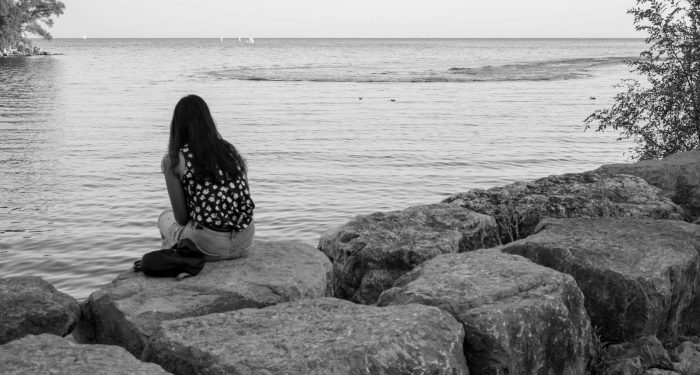
The twelve one-word descriptions came back like a mirror I'd been avoiding for years — not one person saw the calm, mindful person I thought I'd become, only the driven, intense achiever I'd been performing all along.
Last month, I did something that made me uncomfortable in ways I hadn't anticipated. I asked twelve people from different areas of my life to describe my personality in one word. Just one word.
What I discovered wasn't just revealing. It was the kind of truth that makes you sit down and reassess everything you thought you knew about yourself.
I went into this experiment with certain expectations. Words like "thoughtful," "calm," "wise," or maybe "insightful" floated through my head. After years of studying Buddhism, writing about mindfulness, and working on myself, surely these qualities would shine through, right?
Wrong.
The words that came back hit differently: "driven," "intense," "ambitious," "productive," "accomplished."
Not a single person mentioned anything about inner peace, wisdom, or the qualities I'd spent years cultivating internally. And that gap between what I hoped to hear and what I actually heard? It told me everything about the distance between who I perform and who I really am.
The uncomfortable truth about our public personas
Here's what nobody tells you about personal development: you can meditate for years, read every philosophy book on the shelf, and still show up in the world as someone completely different from who you think you've become.
I spent my 20s battling an overactive mind, constantly worrying about the future and regretting the past. When I discovered mindfulness and Eastern philosophy, it changed my internal landscape completely. The anxiety that used to keep me up at night gradually loosened its grip. I learned to observe my thoughts instead of being consumed by them.
But apparently, none of that was visible to the people around me.
The twelve people I asked weren't strangers. They were friends, colleagues, family members. People who know me well enough to see past surface-level impressions. Yet every single one of them saw the performer, not the person.
This realization was both crushing and liberating. Crushing because it meant I'd been fooling myself about how authentic I was being. Liberating because it finally explained why I often felt exhausted by social interactions, even with people I care about.
Why we hide our real selves without realizing it
Growing up, I was always the quieter brother, preferring observation and reflection to being the center of attention. Somewhere along the way, I learned that being quiet didn't get you very far in this world. So I adapted. I learned to project confidence, drive, ambition.
The thing is, these adaptations happen so gradually that we don't even notice them. We think we're just "growing up" or "becoming more professional." But what we're really doing is building an elaborate costume that we wear so consistently, even we forget it's not our real skin.
Think about your own life for a second. How often do you show people your doubts, your stillness, your contemplative side? Or do you, like me, default to showing them your competence, your achievements, your ability to get things done?
In my book "Hidden Secrets of Buddhism: How To Live With Maximum Impact and Minimum Ego" (available here), I write about the Buddhist concept of "no-self." But I realized I'd been creating the opposite: a hyper-self, carefully constructed and maintained for public consumption.
The exhaustion of performing your life
After getting those twelve words back, I spent a week paying attention to how I showed up in different situations. What I noticed was shocking.
In meetings, I defaulted to being the problem-solver, the one with answers. Even when I didn't feel particularly confident about a topic, I projected certainty. In social situations, I played the role of the accomplished writer, the guy who had his life together. Even with close friends, I realized I was performing a version of myself that felt safe, acceptable, successful.
No wonder I was tired all the time. I wasn't just living my life; I was performing it.
The gap between who we are internally and who we present externally isn't just emotionally draining. It's spiritually suffocating. When you're constantly managing your image, you lose touch with your actual experience. You become a stranger to yourself.
Learning to close the gap
So what do you do when you realize you've been living as two different people?
First, you have to get honest about why the gap exists in the first place. For me, it came down to fear. Fear that if people saw the real me, the one who still struggles with anxiety sometimes, who doesn't always have answers, who values listening more than having the right answer, they might find me lacking.
But here's what I'm learning: the qualities we hide are often our greatest strengths. My tendency toward quiet observation, which I've suppressed for years in favor of appearing dynamic and driven, is actually what makes me a better writer. My battles with anxiety gave me the empathy to connect with readers who struggle with the same things.
Since this experiment, I've been practicing what I call "intentional authenticity." It means consciously choosing to show people the qualities I value in myself, not just the ones I think they want to see. When someone asks how I'm doing, I might actually tell them about the meditation practice that centered me that morning, instead of defaulting to work achievements.
It's uncomfortable. Really uncomfortable. But it's also incredibly freeing.
The paradox of true strength
There's a paradox here that took me a while to understand. The qualities that make us appear strong to others, like being driven, ambitious, and accomplished, often come from a place of insecurity. We develop them as armor against the world.
Meanwhile, the qualities that represent true strength, like vulnerability, stillness, and the ability to not know, often appear as weakness to others. So we hide them.
Living in Vietnam and being with my wife taught me about this in unexpected ways. In Vietnamese culture, there's less emphasis on individual achievement and more on collective harmony. Watching how she navigated the world, with a quiet confidence that didn't need constant validation, showed me a different way of being.
But old patterns die hard. Even after years of practice, I still catch myself defaulting to performance mode. The difference now is that I catch it. And when I do, I have a choice.
Final words
Those twelve words from twelve people gave me a gift I didn't expect: clarity about the work I still need to do. Not the work of becoming someone different, but the work of allowing who I already am to be seen.
If you're curious about your own gap, try this experiment yourself. Ask people to describe you in one word. But be prepared. The truth might surprise you, and it might hurt a little. But it might also be exactly what you need to hear to start closing the distance between who you perform and who you really are.
Because at the end of the day, the exhaustion of maintaining a persona will always outweigh the risk of being seen as you truly are. The people who matter will appreciate your authenticity. And the ones who don't? They were probably only interested in the performance anyway.
The journey from performance to presence isn't easy, but it's necessary if we want to live with any kind of real peace. And isn't that what we're all after, anyway? Not to appear peaceful, but to actually be it?