The experiment started as a simple question—what if I stopped always being the one to reach out?—but by day twelve, the deafening silence from three "close friends" revealed a truth about one-sided relationships I'd been too afraid to face.
Day twelve was when it clicked. I was sitting at my kitchen table, scrolling through my phone, and I realized I hadn't heard from three people I would have called close friends. Not once. Not in nearly two weeks. The experiment had been simple: stop texting first and see what happens. No good morning messages. No "thinking of you" notes. No "want to grab coffee?" invitations. I wasn't trying to be petty or prove some point about who cared more. I needed to know if the connections I'd been nurturing were actually mutual, or if I'd just been talking to myself.
By day twelve, the answer was clear. And it was hard to sit with.
The silence was louder than I expected
The first few days felt almost normal. People are busy, right? We all have our own lives, our own struggles. I kept my phone nearby, expecting the usual buzz of incoming messages. Day three passed. Then day five. By day seven, I started to understand something that made my stomach drop.
Three people I'd considered close friends hadn't reached out once. These weren't casual acquaintances or work colleagues. These were people I'd shared vulnerable moments with, people who knew my struggles, people I'd shown up for repeatedly. Yet when I stopped initiating, it was as though I'd simply stopped existing in their world.
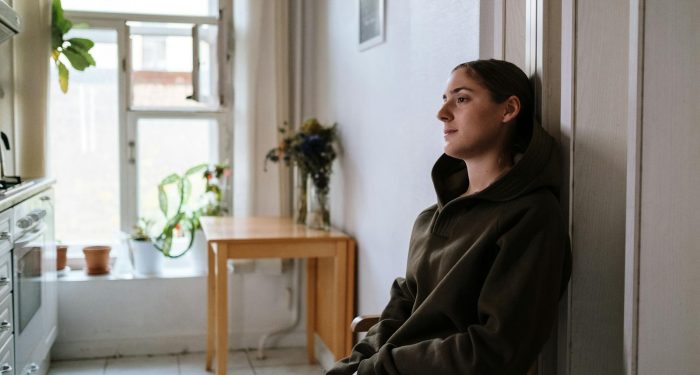
I remember sitting in my garden on day nine, pulling weeds and trying to make sense of it. Had I been so eager for connection that I'd imagined closeness where none existed? The silence from my phone felt like confirmation of something I'd been avoiding for a long time.
Realizing I'd been the friendship engine
Here's something I learned during my years in finance: you can't evaluate a system until you remove a variable and see what happens. I was the variable. And the system collapsed.
Looking back, the signs were there. I was always the one suggesting plans. When we did meet up, I asked most of the questions. If I didn't follow up after hanging out, there would be no follow-up. I'd told myself this was just my personality, that I was naturally more social or communicative. But was I? Or had I trained myself to be this way because I suspected that if I stopped keeping these friendships running, they'd simply stop?
The most painful realization came when I checked our text threads. Scrolling back through months of conversations, the pattern was obvious. My messages were longer, more frequent, more engaged. Their responses were polite but brief. I don't know how I missed it for so long.
The friends who showed up changed everything
But here's where the story takes a turn I didn't expect. While three friendships revealed themselves to be one-sided, others surprised me completely.
On day ten, a friend I'd always considered more of an acquaintance sent a random text about a documentary she thought I'd love. On day fourteen, someone I hadn't heard from in months reached out just to check in. By day twenty, I'd had meaningful conversations with five people who initiated contact without any prompting from me.
These weren't the people I'd been pouring most of my energy into. They were the quiet, steady presences who didn't need constant upkeep. They reached out when they thought of me, shared things that reminded them of our conversations, asked genuine questions about my life.
One friend even said, "You've been quiet lately. Everything okay?" That simple observation meant everything. She'd noticed my presence and also noticed my absence. That's what real connection looks like.
Why we perform friendship instead of experiencing it
After leaving finance and transitioning to writing, I lost most of my former colleagues as friends. At first, this was difficult to accept. But it also taught me something important: many of my relationships had been transactional rather than genuine.
For years, I'd gotten comfortable with the structured social time of networking events and work gatherings. There was always an agenda, always a purpose, always a role to play. When I left that world, I had to confront my deep discomfort with unstructured social time. Without the framework of professional interaction, who was I in these relationships? Turns out, in many cases, I was nothing more than a former colleague.
This thirty-day experiment revealed the same pattern in my personal life. I'd been performing the role of the "good friend," the one who remembers birthdays, checks in regularly, keeps everyone connected. But performance is exhausting, and it's not the same as genuine connection.
When I started journaling about this experience (I've filled 47 notebooks over the years with observations like these), I noticed how much anxiety I'd been carrying about maintaining these relationships. Every unreturned text felt like rejection. Every delayed response felt like proof I was too much or not enough. I was so busy managing these friendships that I'd never stopped to ask if they were actually nurturing me.
What I do differently now
These days, I pay attention to the flow of communication. Does it feel natural or forced? Am I energized after our interactions or drained? Do they show curiosity about my life, or am I always the one asking questions?
I've also learned to be okay with letting some friendships naturally fade. Not every connection is meant to last forever, and that's not a failure. It's just life. The friends who noticed my silence during those thirty days? Those relationships have only grown stronger. We don't text every day, but when we do connect, it's real.
Sometimes when I'm out on my morning trail run, covering the miles that help me process life's complexities, I think about how much lighter I feel now. I'm no longer carrying the weight of one-sided relationships. I'm not anxiously checking my phone, wondering why someone hasn't responded. I'm not crafting the perfect message to keep a conversation going that the other person clearly doesn't want to have.
Final thoughts
That thirty-day experiment was one of the most painful and liberating things I've ever done. It forced me to confront the reality that some people I'd considered essential to my life barely noticed when I stepped back. But it also revealed something I hadn't expected about where real friendship actually lives.
If you're exhausted from always being the one who reaches out, maybe it's time for your own experiment. Not to punish anyone or prove a point, but to understand the true nature of your connections. You might be surprised by who shows up and who doesn't.
The three friends who disappeared when I stopped texting first? I don't harbor anger toward them. They taught me something about what I need from friendship: reciprocity, genuine interest, and the comfort of knowing that connection flows both ways. But I still wonder sometimes whether I was wrong to test it this way. Whether silence is really a fair measure of anything. Whether the people who didn't reach out were fighting their own battles with the same question I was asking — does anyone actually think of me when I'm not standing right in front of them? I don't have a clean answer for that. I'm not sure I'm supposed to.