Compassionate living doesn't require a bigger budget, just a shift in how you think about what you buy and why.
When I first went vegan at 35, I remember standing in the grocery store aisle, staring at a $9 bottle of cruelty-free shampoo and wondering if I'd made a terrible financial decision.
I'd just left a well-paying finance job, and here I was, watching my cart total climb higher than it ever had before. The math didn't seem to work.
But seven years later, I can tell you something that surprised me: my household spending has actually decreased since adopting a cruelty-free lifestyle.
The secret wasn't finding cheaper vegan products. It was fundamentally rethinking my relationship with consumption itself. And that shift? It changed everything.
The real cost of cruelty-free living
There's a persistent myth that ethical living is a luxury reserved for those with disposable income. I understand why it exists.
Walk into any health food store and you'll find vegan cheese that costs three times as much as dairy, cleaning products with premium price tags, and skincare lines that seem designed for celebrities.
But here's what I've learned: the expensive route is often the most visible one, not the only one. When I worked in finance, I watched people make fear-driven decisions during the 2008 crisis, reacting to what was loudest rather than what was wisest.
The same principle applies here. Marketing wants us to believe that cruelty-free means buying specialty products. The reality is far more accessible.
Eating plants on a budget
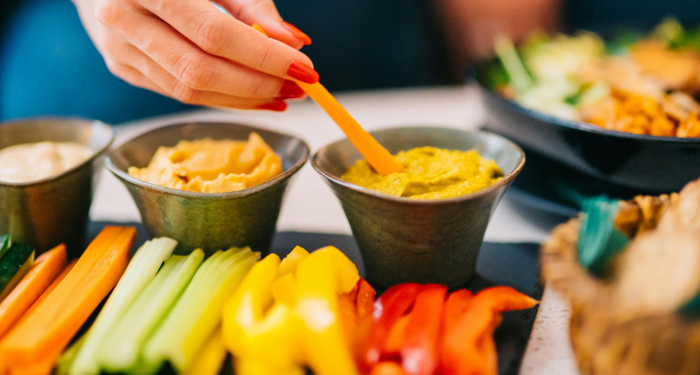
The foundation of affordable vegan eating is simple: build meals around whole foods rather than processed alternatives.
Beans, lentils, rice, oats, seasonal vegetables, and frozen fruits form the backbone of my weekly meals, and they cost a fraction of what meat-centered diets require. Research published found that plant-based diets can reduce food costs by up to 30% compared to omnivorous diets when focused on whole foods.
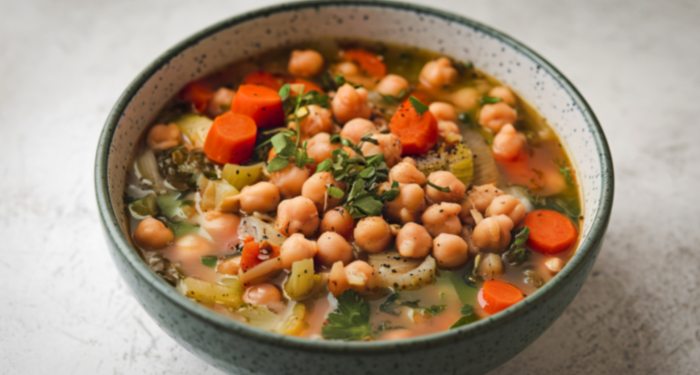
I spend Sunday mornings batch-cooking a big pot of soup or curry, portioning it out for the week. It's become a meditation of sorts, a quiet ritual that feeds both body and budget. What meals already in your rotation could become the foundation of your cruelty-free kitchen?
Rethinking products, not just replacing them
When I first transitioned, I tried to find a cruelty-free version of everything I already owned. Expensive mistake. The better question isn't "What's the ethical alternative?" but rather "Do I actually need this at all?"
Take cleaning products. I now use a handful of basics: castile soap, white vinegar, baking soda, and essential oils. They clean everything in my home for pennies. My bathroom cabinet, once overflowing with specialized products, now holds a few simple items. The minimalism wasn't the goal, but it became the gift.
This approach extends to personal care, too. Many cruelty-free brands offer concentrated formulas or bar versions that last months longer than their conventional counterparts. My bar shampoo costs $12 and lasts four months. That's $3 a month for hair care that aligns with my values.
The power of doing less
Here's something that took me years to understand: the most cruelty-free choice is often the one you don't make at all. Every product, even the ethical ones, has an environmental footprint. Every purchase requires resources.
I've found deep satisfaction in simply needing less. My trail running practice taught me this. Out on the trails, you carry only what's essential.
That mindset has seeped into every corner of my life. Before buying anything, I ask myself: Will this genuinely improve my daily experience? Can I borrow it, make it, or go without?
These questions have saved me thousands of dollars and countless impulse purchases that would have ended up donated within a year anyway.
Community as currency
One of the most overlooked resources in cruelty-free living is other people. My partner Marcus and I share a neighborhood tool library membership. We swap plant cuttings with friends. I've learned recipes from online vegan communities that transformed cheap ingredients into meals I genuinely crave.
When I mentored young women in finance, I always told them that the best investments aren't always financial. The same applies here. Investing time in community, whether that's a local vegan potluck, a buy-nothing group, or simply cooking with friends, creates abundance that money can't buy.
Who in your life might want to share this journey with you?
Final thoughts
Living cruelty-free on a budget isn't about deprivation or finding clever hacks. It's about recognizing that compassion and consumption aren't the same thing.
The most ethical life I can imagine isn't one filled with perfectly labeled products. It's one where I take only what I need, share what I can, and stay curious about doing better.
My parents raised me to measure success in achievements and acquisitions. It took burnout and a complete career change to realize that enough is its own kind of wealth. Cruelty-free living, done thoughtfully, taught me that the gentlest path forward is often the simplest one, too.
What’s Your Plant-Powered Archetype?
Ever wonder what your everyday habits say about your deeper purpose—and how they ripple out to impact the planet?
This 90-second quiz reveals the plant-powered role you’re here to play, and the tiny shift that makes it even more powerful.
12 fun questions. Instant results. Surprisingly accurate.