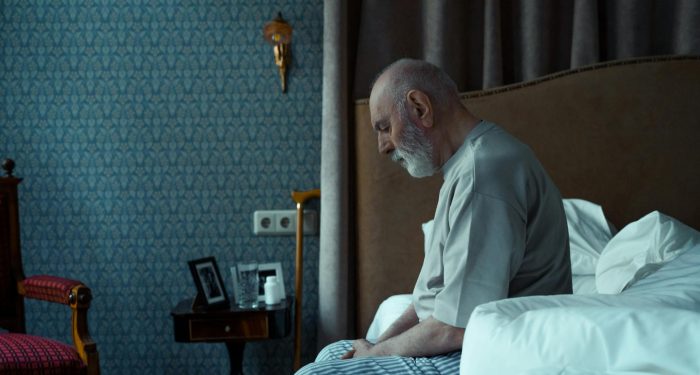
When you stay stuck in an old identity, you carry its limitations with you.

Add VegOut to your Google News feed. 
There’s a strange moment every millennial eventually hits: you catch a glimpse of yourself in a shop window and think, “Wait… when did I start dressing like someone ten years older?”
It sneaks up on you. One day you’re effortlessly modern; the next, your wardrobe is quietly whispering, “tax resident,” “stable job,” and “I don’t understand TikTok fashion anymore.”
The truth is, many millennials unintentionally age themselves not because they look older—but because the clothes they’re wearing were never updated after their early 20s.
And look, I’m not here to shame anyone. I’m a mindfulness guy. My job is to help you notice things without judgment, understand why they happen, and make conscious choices that fit the person you are today.
So let’s get into it: here are the 8 outdated fashion choices making millennials look older than they actually are—and what to do instead.
1. Skinny jeans that are *too* skinny
Every generation has its signature silhouette. For millennials, it was the skinny jean—tight, tapered, and worn everywhere from nightclubs to Sunday brunch.
But here’s the thing: the super-skinny look instantly timestamps you somewhere between 2010 and 2017. Gen Z doesn’t wear them. Fashion-forward millennials no longer wear them. And ultra-tight denim creates a strange optical illusion—making legs look narrower, hips look broader, and the entire outfit feel dated.
Why it ages you: Because the silhouette is no longer associated with youth culture. It now reads as “millennial nostalgia.”
Try instead: slim straight jeans, relaxed tapered legs, or anything with a little breathing room. You don’t have to jump to baggy cargo pants; even a slightly more modern cut freshens your whole look.
2. Chunky statement necklaces from the early 2010s
Remember when the “big necklace phase” dominated Pinterest? Thick chains, giant stones, oversized pearls—at the time, they were everywhere.
Today, those pieces immediately signal a specific era of fashion. They’re also visually heavy, drawing the eye downward, which subtly adds years to your appearance.
Why it ages you: Bold statement pieces look dated because modern style leans clean, minimal, and intentional.
Try instead: thin chains, layered delicate pieces, or simple gold/silver pendants. The modern aesthetic is understated, not loud.
3. Round-toe ballet flats from the old “Audrey Hepburn revival” era
Ballet flats are back—but not the version most millennials still have in their closet.
The round-toe, bow-on-top style screams 2008 commuter chic. And unfortunately, this shape doesn’t flatter most foot types; it can make your posture look more slouched, your outfit more conservative, and your overall appearance older.
Why it ages you: The older ballet-flat design reads as “practical comfort” rather than “modern style.”
Try instead: square-toe flats, sleek Mary Janes, or slightly structured ballet flats with better support.
4. Wearing overly formal work clothes outside of work
Here’s a psychological truth: how we dress affects how others perceive our age, competence, and even personality.
A lot of millennials are stuck in the “smart casual means blazer + blouse forever” mindset. But today, younger generations pair structured pieces with relaxed ones. They mix textures. They dress intentionally but not stiffly.
Why it ages you: When your outfit looks overly corporate, it signals an older stage of life—career, responsibilities, long days behind a desk.
Try instead: pairing structure with softness—like a blazer with a modern tee, or tailored pants with sneakers. Think polished, not “office from 2014.”
5. Extremely thin eyebrows (leftovers from early adulthood)
Eyebrows have trends just like clothing. And for many millennials, the over-plucked style from the 2000s never fully grew back or never fully evolved.
Thin brows can unintentionally add 5–10 years to your face simply because fuller brows signal youth and vitality.
Why it ages you: A thinner brow equals less facial structure and more visible eyelid, which is associated with age.
Try instead: gentle filling, tinting, lamination, or growing them out as much as genetics will allow. Even a subtle thicker shape updates your entire face.
6. The “big handbag from Zara” era
Millennials lived through—and loved—the oversized tote phase. It was convenient, functional, and felt adult.
But younger generations prefer small crossbody bags, slings, or compact structured shapes. When you carry a big soft tote everywhere, it’s not that you look unfashionable—it’s that it signals your fashion mindset hasn’t been updated in a decade.
Why it ages you: Big tote bags look practical and mature rather than fresh and modern.
Try instead: medium-sized structured bags, compact crossbodies, or minimalist shoulder bags.
7. Wearing colors that drain your natural complexion
Here’s a mindfulness moment: the colors you choose influence how others perceive your energy.
A lot of millennials stick to the same colors they wore in their early 20s—often neutrals like beige, grey, or washed-out pastels. But these tones can make your face look more tired, especially as your undertones shift with age.
Why it ages you: Colors that don’t complement your skin can highlight dullness and make you look older.
Try instead: richer neutrals (like olive, navy, camel), deeper jewel tones, or anything that gives you warmth and contrast.
8. Outdated haircuts that haven’t evolved since university
This one is subtle but powerful. The wrong haircut can make even the most modern outfit look outdated.
Many millennials hold on to styles that suited them at 22, not realizing their face shape, features, and aesthetic have changed.
Why it ages you: Haircuts are one of the strongest visual indicators of generational style. When yours doesn’t evolve, neither does your overall look.
Try instead: consult a stylist who understands face shape, texture, and current trends. Even a small update—softer layers, altered length, sharper lines—can shift your entire vibe.
The deeper truth: it’s not really about the clothes
Fashion aging isn’t just about trends. It’s about emotional comfort zones.
Millennials have lived through recessions, housing stress, career instability, and a long stretch of cultural change. Holding onto familiar fashion is comforting—it reminds us of who we were before things got complicated.
But here’s the mindfulness insight:
When you stay stuck in an old identity, you carry its limitations with you.
This isn’t about chasing youth. It’s about aligning how you present yourself with who you actually are today—not who you were a decade ago.
Final thoughts
You don’t need a whole new wardrobe. You don’t need to throw away anything you love. You simply need to become conscious of what’s aging you and decide—intentionally—what still fits who you are today.
Think of your style like your identity: it’s allowed to evolve.
If you make even a few small shifts, people won’t think you look younger—they’ll think you look current, confident, and fully yourself.
And honestly, that’s far better than looking 22 again.