Genetics might set the starting point. But lifestyle writes most of the story.

Add VegOut to your Google News feed. 
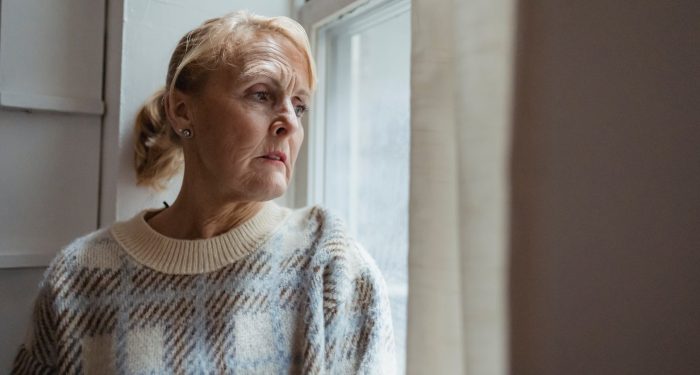
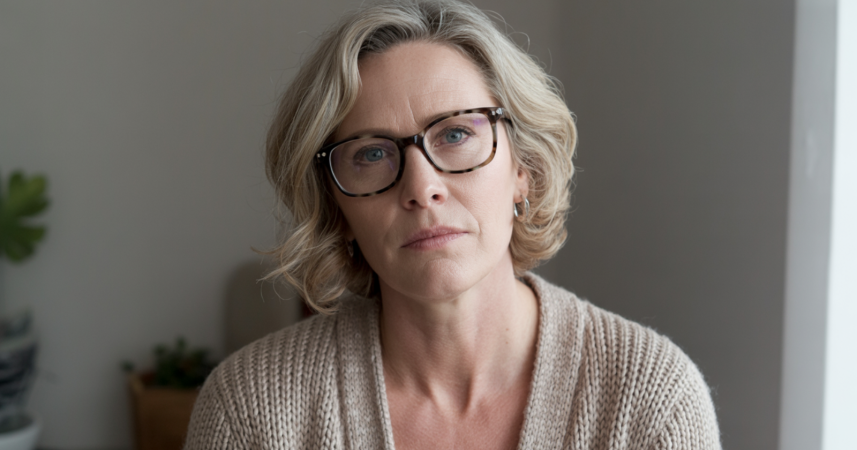
The first is 45, but looks permanently exhausted—like life has been sanding them down for a decade.
The second is 60, but looks oddly fresh—clear eyes, steady energy, a face that still has “bounce” in it, and a vibe that says: I’m not fighting my own body every day.
Most people explain the difference with one word: genetics.
Genetics matters, sure. But it’s also the most convenient explanation because it lets you off the hook.
The less comfortable truth is that “looking young” is usually the visible result of invisible habits—what you do daily, how you handle stress, what you repeatedly put in your body, how you sleep, how often you move, and how you protect (or punish) your nervous system.
So here are 7 reasons some people look 60 at 45 while others look 45 at 60—and why most of it isn’t genetic.
1) Chronic stress ages the face faster than almost anything
Not “I had a stressful week” stress.
I mean years of living in fight-or-flight: always behind, always bracing, always scanning for problems, always carrying a quiet dread in the background.
Chronic stress changes your body in ways you can literally see. It can disrupt sleep, increase inflammation, worsen skin conditions, alter appetite, deepen tension in the jaw and forehead, and push people toward coping habits that accelerate aging (late-night scrolling, overeating, drinking, skipping exercise).
But the biggest tell is this: long-term stress hardens the expression.
Some people don’t look older because they have wrinkles. They look older because their face has been “set” in tension for years.
The people who look younger at 60 often have one hidden advantage: they learned how to downshift their nervous system. They take real breaks. They move slowly sometimes. They don’t live like every day is a chase scene.
2) Sleep quality is the ultimate “aging multiplier”
You can eat well, exercise, and drink water—but if your sleep is chronically poor, it shows.
Sleep isn’t just rest. It’s repair.
It’s when your body does the behind-the-scenes work that makes you look and feel like yourself: tissue restoration, hormone regulation, skin recovery, mental reset, appetite signaling.
People who look older than they are often have a sleep pattern that quietly wrecks them: irregular bedtimes, too much alcohol at night, caffeine too late, doom-scrolling until their brain is buzzing, waking up multiple times, or simply never getting enough hours.
People who look younger at 60 tend to treat sleep like a non-negotiable. They protect it the way other people protect money.
3) What you consume daily matters more than what you do “sometimes”
Most people focus on extremes: “Do you eat clean?” “Do you ever have sugar?” “Do you drink?”
But aging isn’t usually caused by one dramatic habit. It’s caused by a thousand small choices that repeat.
Highly processed food, frequent sugary snacks, constant snacking, routine fast food, and “liquid calories” don’t just affect weight. They can affect skin quality, inflammation, and energy levels—and over years, that becomes visible.
Meanwhile, the people who look unusually good for their age often do something unglamorous:
- They eat mostly real food.
- They get enough protein.
- They don’t live on ultra-processed convenience.
- They’re consistent, not perfect.
It’s the consistency that shows up on the face.
4) Sun exposure is still the most underrated “premature aging” factor
If you want a brutally honest answer to why someone looks older, look at their relationship with the sun.
Years of unprotected sun exposure can make skin look rougher, drier, more uneven in tone, and more lined—especially on the face, neck, and hands.
And here’s the tricky part: many people don’t realize how much exposure they’re getting because it’s “normal life.” Walking around at midday. Driving daily. Sitting near windows. Outdoor sports. Holidays. Quick errands.
The people who look younger at 60 aren’t necessarily hiding indoors. They’re just smarter about protection: shade, hats, sunscreen, and avoiding intense midday exposure when they can.
It’s not vanity. It’s prevention.
5) Alcohol quietly “dulls” you over time
Alcohol is a sneaky one because it can feel like it’s helping—relaxation, social ease, a break from the mind.
But over time, frequent drinking tends to show up as:
- poorer sleep quality (even if you fall asleep faster)
- more facial puffiness for some people
- duller skin and slower recovery
- reduced energy for exercise and movement
This isn’t a moral point. It’s just a pattern you can observe in real life.
Many of the “45 going on 60” people aren’t heavy drinkers—they’re just regular drinkers who’ve been regular for years.
And many of the “60 going on 45” people either drink rarely, drink lightly, or take long stretches off without making a big deal about it.
6) Muscle is a youth signal—and most people stop building it
If there’s one body composition change that makes people look older fast, it’s losing muscle.
Muscle gives shape. It supports posture. It affects how your clothes sit. It changes how your face looks (yes, even your face—because overall leanness, structure, and tone influence the “sharpness” of your features).
But muscle doesn’t maintain itself. If you don’t use it, you slowly lose it.
Most people do less and less resistance-based movement as they age. They walk less. They sit more. They avoid anything that feels hard.
The people who look younger at 60 often have a simple habit: they keep some form of strength work in their life. It doesn’t have to be extreme. But it’s consistent—week after week, year after year.
It’s one of the closest things we have to a real-life “anti-aging” lever.
7) “Young-looking” people tend to have less self-destructive inner talk
This one sounds soft—until you watch it play out.
Some people age faster because they’re in a long-term war with themselves.
They live with constant mental friction: harsh self-judgment, rumination, resentment, social comparison, and the feeling that they’re never doing enough.
That kind of inner environment makes everything heavier: sleep, relationships, motivation, energy, appetite, even how the face naturally rests.
In contrast, many people who seem to age well have a different baseline:
- They recover faster from mistakes.
- They don’t catastrophize every problem.
- They take themselves seriously—but not too seriously.
- They don’t constantly rehearse worst-case scenarios.
This doesn’t mean they have an easy life.
It means they aren’t adding unnecessary suffering on top of what life already gives.
And over decades, that shows up as lightness—literally in the face and in the energy.
So what actually makes people look younger?
It’s rarely one miracle product. It’s rarely a “secret.”
It’s usually a boring stack of basics:
- they sleep consistently
- they manage stress instead of marinating in it
- they eat mostly real food
- they protect their skin from chronic sun damage
- they don’t rely on alcohol as a daily off-switch
- they maintain muscle and posture
- they have a kinder, steadier inner world
Genetics might set the starting point. But lifestyle writes most of the story.
And the good news is: lifestyle is adjustable.
Not overnight. Not perfectly. But in small choices that compound—until one day you look in the mirror and realize you’re not “aging badly.” You’re simply aging like someone who’s been taking care of themselves.
And that’s the kind of youth you can actually keep.
If You Were a Healing Herb, Which Would You Be?
Each herb holds a unique kind of magic — soothing, awakening, grounding, or clarifying.
This 9-question quiz reveals the healing plant that mirrors your energy right now and what it says about your natural rhythm.
✨ Instant results. Deeply insightful.

Lachlan Brown
Lachlan Brown is a psychology graduate, mindfulness enthusiast, and the bestselling author of Hidden Secrets of Buddhism: How to Live with Maximum Impact and Minimum Ego. Based between Vietnam and Singapore, Lachlan is passionate about blending Eastern wisdom with modern well-being practices.
As the founder of several digital publications, Lachlan has reached millions with his clear, compassionate writing on self-development, relationships, and conscious living. He believes that conscious choices in how we live and connect with others can create powerful ripple effects.
When he’s not writing or running his media business, you’ll find him riding his bike through the streets of Saigon, practicing Vietnamese with his wife, or enjoying a strong black coffee during his time in Singapore.
More Articles by Lachlan