
Sometimes happiness doesn’t come from adding more to your life—it comes from letting go. Here are the five things I stopped doing that completely changed how I feel in just two weeks.

Add VegOut to your Google News feed. 
Not long ago, I hit a wall. I wasn’t unhappy in the dramatic sense—my life looked fine on the surface. But deep down, I felt drained, restless, and strangely detached from everything that once brought me joy.
Within two weeks, I noticed something I hadn’t felt in years: a quiet, steady sense of happiness. It didn’t come from a vacation or some life-changing event. It came from stopping five things that had been silently sabotaging my peace.
If you’ve been chasing happiness but still feel tired or empty, maybe it’s not about what you need to do next—but what you need to let go of.
1. I stopped trying to control outcomes
I used to believe happiness depended on everything going according to plan—my work, my relationships, even the smallest details of my day. When things didn’t, I’d spiral into anxiety and overthinking. I was constantly wrestling with reality instead of accepting it.
It wasn’t until I revisited an old Buddhist principle—non-attachment—that I understood the real problem. I wasn’t unhappy because life was difficult. I was unhappy because I resisted what was happening.
So I started a simple practice: whenever something didn’t go my way, I’d take a breath and remind myself, “Let it unfold.”
That single sentence loosened the grip of control. It didn’t mean giving up ambition—it meant trusting the process. Within days, I felt lighter. Instead of living in constant tension, I began living in flow.
When you stop trying to control everything, you make room for life to surprise you—and it often does in the best ways.
2. I stopped saying “yes” when I wanted to say “no”
For most of my life, I was a chronic people-pleaser. I said yes to meetings I didn’t want, favors I didn’t have time for, and social plans that drained me. I told myself I was being kind—but I was really just afraid of disappointing people.
Then I realized that every time I said yes to something I didn’t truly want, I was saying no to myself. My time, energy, and peace were being spent on keeping others happy, while I grew quietly resentful inside.
So I began a 15-day experiment: I would only say yes when I genuinely wanted to. I practiced simple, honest responses like, “I appreciate you asking, but I can’t commit right now.”
It felt uncomfortable at first, almost rebellious. But something amazing happened—I started respecting myself more. I felt lighter, freer, and more in tune with what truly mattered to me.
Psychology calls this assertive authenticity—the ability to express your truth kindly, without guilt. When you master it, you realize that saying no isn’t selfish—it’s self-respect in action.
3. I stopped trying to be “someone” all the time
This one hit me deeply. For years, I was addicted to identity. I was always trying to be someone—successful, respected, productive. Every action came with an invisible audience in my head, silently judging whether I was doing enough or being enough.
That mindset might sound ambitious, but it was quietly exhausting. My happiness was tied to performance, not presence.
Then I reconnected with something I wrote about in my book, Hidden Secrets of Buddhism: How to Live with Maximum Impact and Minimum Ego. In it, I explore how ego tricks us into believing we need to be someone special to deserve peace—when in reality, peace only comes when we stop trying to prove anything.
For 15 days, I practiced doing things with no purpose beyond enjoyment—walking without tracking steps, reading without highlighting, creating without sharing. And something shifted: life started to feel full again.
Happiness, I realized, doesn’t come from adding achievements to your name—it comes from removing the pressure to constantly define yourself.
4. I stopped comparing my pace to others
Comparison used to be my silent poison. I’d scroll through social media and subconsciously measure my life against others—who was more successful, fitter, happier, or wealthier. It wasn’t envy exactly, but a sense that I was always a few steps behind.
Then I read a study from Stanford University that revealed how comparison actually activates the brain’s pain centers—the same ones triggered by physical discomfort. No wonder it felt so draining.
I started a new habit: every time I caught myself comparing, I’d say, “Different timelines, same destination.” I reminded myself that life isn’t a race—it’s an individual journey. We all have seasons of growth, stillness, and uncertainty.
Within two weeks, I noticed how much mental space I’d reclaimed. My days no longer began with invisible competition. Instead, they began with gratitude for what was already mine.
As the saying goes, “Comparison is the thief of joy.” But once you stop competing, you start connecting—with yourself and with the life you actually have.
5. I stopped postponing simple joys
This might sound small, but it changed everything. I realized I had spent years deferring happiness—telling myself I’d relax “after this project,” “after the next milestone,” or “once things slow down.”
But “later” never came. I was always chasing the next horizon, missing the small, daily moments that actually make life rich.
So I decided to stop waiting. I started making coffee slowly instead of rushing through it. I took walks without headphones. I called people I loved just to say hello. I even began ending each night by writing down three small things that brought me joy that day—nothing profound, just real.
Within 15 days, my brain started to rewire itself. I noticed beauty again—the way sunlight hit the floor in the morning, the sound of laughter outside, the calm that comes after a deep breath. I wasn’t chasing happiness anymore. I was living it.
Psychologists call this the hedonic reset—when you re-sensitize yourself to everyday pleasures. It’s what happens when you stop waiting for big happiness and start noticing the small, quiet moments that make life feel whole.
What 15 days taught me about happiness
When I began this experiment, I wasn’t expecting transformation. I just wanted relief. But what I discovered was something far more lasting—happiness wasn’t hiding in the future. It was buried under habits I’d built to survive, not thrive.
By letting go of control, people-pleasing, ego, comparison, and delay, I rediscovered the simplicity of being alive. The noise faded, and I could finally hear myself again.
It reminded me of a passage I wrote in Hidden Secrets of Buddhism: “Happiness isn’t found in chasing perfection, but in resting in the truth that you already have enough, you already are enough.”
Fifteen days was all it took to prove that true happiness doesn’t require a radical life change—just a shift in how you live the one you already have.
Final reflection
If you’re feeling stuck, try subtraction instead of addition. Stop chasing more, and see what happens when you do less—but do it consciously. You might be surprised by how quickly peace returns when you stop standing in its way.
Happiness isn’t a distant goal. It’s what’s left when you stop feeding the noise that keeps you from yourself.
And if you’d like to go deeper into this mindset shift, you can explore my book, Hidden Secrets of Buddhism: How to Live with Maximum Impact and Minimum Ego, where I share the practices that helped me replace striving with serenity and turn mindfulness into a way of life.
If You Were a Healing Herb, Which Would You Be?
Each herb holds a unique kind of magic — soothing, awakening, grounding, or clarifying.
This 9-question quiz reveals the healing plant that mirrors your energy right now and what it says about your natural rhythm.
✨ Instant results. Deeply insightful.
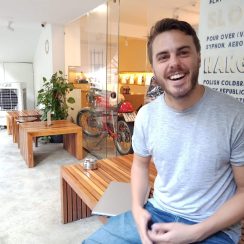
Lachlan Brown
Lachlan Brown is a psychology graduate, mindfulness enthusiast, and the bestselling author of Hidden Secrets of Buddhism: How to Live with Maximum Impact and Minimum Ego. Based between Vietnam and Singapore, Lachlan is passionate about blending Eastern wisdom with modern well-being practices.
As the founder of several digital publications, Lachlan has reached millions with his clear, compassionate writing on self-development, relationships, and conscious living. He believes that conscious choices in how we live and connect with others can create powerful ripple effects.
When he’s not writing or running his media business, you’ll find him riding his bike through the streets of Saigon, practicing Vietnamese with his wife, or enjoying a strong black coffee during his time in Singapore.
More Articles by Lachlan