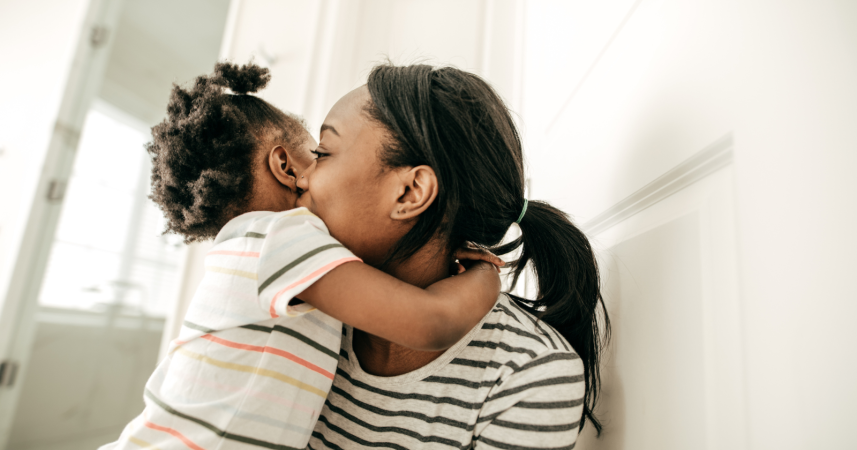
Parenting isn't about being perfect – it's about being present, consistent, and loving. If you recognize several of these signs in your own parenting journey, give yourself some credit. You're probably doing much better than you think.
Let's be honest – parenting can feel like you're constantly failing. One minute your kid is having a meltdown in the grocery store, the next they're refusing to eat anything but goldfish crackers for the third day straight. It's easy to look around and think every other parent has it figured out while you're just winging it.
But here's the thing: you're probably doing way better than you realize. Good parenting isn't about being perfect – it's about showing up, caring, and doing your best with what you've got. Sometimes the signs of great parenting are hiding in plain sight.
1. Your Kids Come to You When They're Upset
When your child scrapes their knee, gets their feelings hurt, or faces a problem at school, where do they go? If they run to you for comfort, that's huge. It means they see you as their safe harbor – the person who will listen, understand, and help them feel better.
This doesn't happen by accident. Kids gravitate toward parents who've consistently shown up for them emotionally. Even if you don't always have the perfect words or solutions, your presence and willingness to listen speaks volumes.
2. You Worry About Whether You're a Good Parent
Sounds backwards, right? But parents who constantly question themselves and worry about doing right by their kids are usually the ones doing the best job. Bad parents don't lose sleep wondering if they're messing up their children.
This self-reflection shows you care deeply about your child's wellbeing. You're thinking critically about your parenting choices and always looking for ways to improve. That's exactly what good parents do.
3. Your Child Feels Safe Expressing Their Emotions Around You
If your kid has epic meltdowns in front of you but holds it together for others, congratulations – you've created a safe space. Children save their biggest emotions for the people they trust most.
When kids know they can fall apart and still be loved and accepted, they're more likely to develop healthy emotional regulation skills. Yes, it's exhausting being on the receiving end of those big feelings, but it means you're doing something very right.
4. You Apologize When You Make Mistakes
Nobody's perfect, and kids don't need perfect parents. They need parents who own their mistakes and model how to handle them gracefully. When you lose your temper or make a poor choice, apologizing teaches your child that everyone makes mistakes and that's okay.
This builds trust and shows your child that relationships can weather storms. It also teaches them the invaluable skill of taking responsibility for their actions.
5. You Set Boundaries (Even When It's Hard)
Saying no to your child when they really, really want something takes guts. Whether it's another cookie before dinner or a sleepover on a school night, sticking to reasonable limits shows you're thinking about their long-term wellbeing.
Kids might not thank you in the moment, but boundaries make them feel secure. They know someone is looking out for their best interests, even when they can't see the bigger picture themselves.
6. Your Kids Show Empathy and Kindness to Others
When you see your child comfort a crying friend, include someone who's being left out, or show concern for others, that's a direct reflection of your parenting. Empathy is caught, not taught – kids learn it by watching how their parents treat others.
If your child demonstrates kindness and consideration for others, it means they've absorbed these values from watching you. That's no accident – that's good parenting in action.
7. You're Flexible When Things Don't Go as Planned
Maybe you planned a perfect family outing, but someone got carsick, it started raining, and everyone ended up cranky. Instead of melting down, you pivoted – maybe you found an indoor activity or just headed home for movie time.
This flexibility teaches your children that life doesn't always go according to plan, and that's perfectly fine. They learn resilience and adaptability by watching how you handle unexpected changes.
8. You Make Time for Connection
It doesn't have to be elaborate. Maybe it's reading bedtime stories, having silly conversations during car rides, or letting them help with cooking (even though it takes twice as long). These small moments of connection add up to something huge.
When you prioritize spending quality time with your child – really being present with them – you're building the foundation of your relationship. These moments matter more than any expensive toy or elaborate activity.
9. Your Child Develops Independence Gradually
Good parenting involves a delicate balance of protecting your child while also letting them spread their wings. If your kid is learning to do age-appropriate things on their own – whether it's tying shoes, making simple decisions, or solving problems – you're fostering healthy independence.
This means you've resisted the urge to do everything for them (which is often easier) and instead given them space to grow and learn.
10. You Model the Behavior You Want to See
Kids are like tiny mirrors – they reflect back what they see. If you want them to be respectful, you speak respectfully to them and others. If you want them to handle frustration well, you work on managing your own emotions.
This is one of the hardest parts of parenting because it means constantly working on yourself. But when you see your child naturally exhibiting positive behaviors, you know your modeling is working.
11. You Encourage Their Interests and Passions
Maybe your child is obsessed with dinosaurs, loves to dance, or wants to take apart every electronic device in the house. When you show genuine interest in what lights them up – even if it's not your cup of tea – you're nurturing their sense of self.
Supporting their interests shows them that their thoughts and preferences matter. This builds confidence and helps them develop their own identity.
12. You Take Care of Yourself Too
This might seem counterintuitive, but taking care of your own physical and mental health is one of the best things you can do for your children. When you model self-care, you teach them that their wellbeing matters too.
Whether it's taking a few minutes to breathe when you're overwhelmed, maintaining friendships, or pursuing your own interests, you're showing your child that adults deserve care and respect too.
The Bottom Line
Parenting isn't about being perfect – it's about being present, consistent, and loving. If you recognize several of these signs in your own parenting journey, give yourself some credit. You're probably doing much better than you think.
Remember, the fact that you care enough to read an article like this already puts you ahead of the game. Good parents aren't the ones who never make mistakes; they're the ones who keep showing up, keep learning, and keep trying to do better.
Your kids don't need a perfect parent – they need you, doing your best, loving them fiercely, and figuring it out as you go. And honestly? That's more than enough.