Your coffee order says more about you than you think. From how you order to what you order, small details can quietly reveal confidence, taste, and even class awareness.

Add VegOut to your Google News feed. 
I’ve always loved strong black coffee—no sugar, no milk, no fluff. It’s not just about taste. There’s something about the simplicity of it that feels… grounded. Over the years, sitting in cafes from Melbourne to Singapore to Saigon, I’ve noticed that the way people order coffee can tell you a lot about them—sometimes more than their clothes, their car, or even their job title.
Coffee has become a kind of social language. We might not realize it, but every small choice—whether you say “long black” or “Americano,” whether you order with quiet confidence or nervous hesitation—communicates something about where you fit in the social spectrum.
These signals are rarely intentional. They’re subtle habits—rituals and reflexes that reveal upbringing, taste, and even worldview. So, whether you’re sipping an oat milk latte or a double espresso, here are ten quiet ways your coffee order might be saying more than you think.
1. How confidently you order (and whether you hesitate)
There’s a big difference between “Um, can I get a cappuccino?” and “One cappuccino, please.”
People who project ease and clarity when ordering signal comfort in social environments. It’s not about arrogance—it’s about knowing what you want and asking for it without apology.
The truth is, social confidence isn’t about volume—it’s about self-assured energy. Even baristas pick up on it. The people who seem relaxed and decisive when ordering tend to carry that same quiet composure elsewhere.
2. Whether you use local café language or stick to chainspeak
In Australia, you order a flat white; in America, an oat milk latte; in Vietnam, a cà phê đen đá. Knowing the local coffee vernacular—and using it naturally—signals cultural awareness and adaptability.
When someone walks into a small café in Saigon and says, “Black coffee, no sugar,” instead of “cà phê đen không đường,” it subtly shows they’re passing through, not part of the rhythm of the place.
The socially fluent pick up on language cues quickly. They don’t mimic—they adapt.
3. Your relationship with customization
There’s a fine line between knowing your preferences and over-customizing your order.
“I’ll have an oat milk cappuccino, extra hot, half shot, no foam, two pumps vanilla” doesn’t just sound fussy—it gives away an obsession with control and status signaling.
By contrast, saying “Just a long black, thanks” conveys simplicity and confidence. People at ease with themselves rarely feel the need to overcomplicate small choices.
As someone who orders black coffee everywhere, I’ve noticed that people who keep it simple often exude understated self-assurance—the kind that doesn’t need validation.
4. How you treat the barista
You can tell almost everything about a person by how they treat people who serve them.
Saying “please” and “thank you” isn’t enough—it’s about tone. Those who make eye contact, smile genuinely, and speak with warmth communicate quiet respect. Those who snap or don’t look up often reveal entitlement dressed as busyness.
Social grace isn’t just manners—it’s awareness. How you interact with someone behind the counter often says more about your social maturity than your LinkedIn title ever could.
5. Whether you linger or rush out
Some people grab their coffee and go, never breaking stride. Others sit, take a breath, and actually enjoy the ritual.
It’s a subtle difference—but it hints at lifestyle and priorities. The ones who slow down often belong to the “time-rich” class: people who have—or create—the luxury of presence. The rushed ones may be driven, but they often wear their busyness like a badge.
The way you handle your coffee time reflects how you handle your life.
6. Your reaction when something goes wrong
When a coffee order gets messed up—wrong milk, wrong size, too sweet—some people sigh and move on. Others treat it like a personal insult.
The calm responders, who say “No worries” and smile, tend to radiate inner stability and quiet class. Those who make a scene reveal a need for control—and often, insecurity wrapped in superiority.
Your reaction to small inconveniences is a mirror. The more grace you show, the more composed—and respected—you appear.
7. What you order when you’re with others
Social awareness shows up most clearly when ordering in groups.
The self-assured rarely adjust their preferences to fit in. They’ll order a black coffee in a crowd of frappuccinos or a matcha latte in a boardroom full of espressos—without overexplaining.
But those who nervously scan the group before choosing often reveal subtle social insecurity. They’re trying to read the room instead of anchoring in themselves.
True confidence in social spaces means holding your taste—literally and metaphorically.
8. How much you tip (and whether you think it matters)
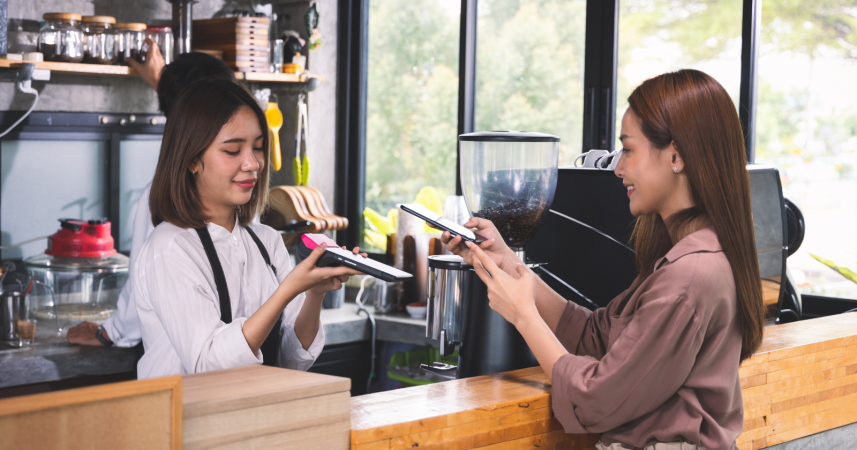
Even in places where tipping isn’t expected, the act of rounding up or leaving small change sends a message. It’s not about wealth—it’s about attitude.
A quiet gesture of appreciation shows awareness of service and effort. People who never tip—not because they can’t, but because they don’t think it matters—often signal a transactional mindset.
Generosity doesn’t shout. It’s the softest form of status—the kind that earns respect, not envy.
9. Whether you chase trends or stay timeless
Trendy orders—like charcoal lattes or pumpkin spice everything—signal awareness of cultural moments. But they also suggest a desire to belong.
Meanwhile, those who stick to classic drinks—espresso, black, cappuccino—tend to project timelessness and confidence in their own preferences.
There’s nothing wrong with loving the latest coffee trend, of course. But there’s something quietly impressive about the person who walks into any café in any country and says, “Just a black coffee, thanks,” with the same steady ease.
10. What you do after you get your coffee
This might sound strange, but watch what people do once their order’s in hand.
Some immediately pull out their phones, disengaging from the world. Others take a moment—looking around, people-watching, or exchanging a smile with the barista.
That moment says everything. The ones glued to their screens often feel more anxious or status-conscious. The ones who stay present radiate self-possession—the kind that doesn’t need to prove anything.
As someone who drinks black coffee while just sitting quietly, I’ve come to believe this: class isn’t about money or appearances. It’s about comfort in your own company.
A final sip of truth
Coffee, for many of us, is more than caffeine—it’s ritual, identity, rhythm. And whether we realize it or not, our habits around it speak volumes about who we are and how we move through the world.
The way you order, the way you wait, the way you interact—all of it builds a kind of invisible fingerprint of social grace.
So the next time you’re in line at your favorite café, pause for a second. Ask yourself: am I ordering out of habit, out of taste, or out of image?
There’s no right answer. But if you can order your coffee simply, kindly, and confidently—without performance or pretense—you’ve already said something powerful about yourself.
Because in a world obsessed with signaling, true status is still found in the quietest gestures—like a person who knows who they are, holding a strong black coffee, perfectly content.
If You Were a Healing Herb, Which Would You Be?
Each herb holds a unique kind of magic — soothing, awakening, grounding, or clarifying.
This 9-question quiz reveals the healing plant that mirrors your energy right now and what it says about your natural rhythm.
✨ Instant results. Deeply insightful.

Lachlan Brown
Lachlan Brown is a psychology graduate, mindfulness enthusiast, and the bestselling author of Hidden Secrets of Buddhism: How to Live with Maximum Impact and Minimum Ego. Based between Vietnam and Singapore, Lachlan is passionate about blending Eastern wisdom with modern well-being practices.
As the founder of several digital publications, Lachlan has reached millions with his clear, compassionate writing on self-development, relationships, and conscious living. He believes that conscious choices in how we live and connect with others can create powerful ripple effects.
When he’s not writing or running his media business, you’ll find him riding his bike through the streets of Saigon, practicing Vietnamese with his wife, or enjoying a strong black coffee during his time in Singapore.
More Articles by Lachlan