Fitness in later life isn’t a race—it’s a rhythm. It’s about building a body that supports your lifestyle, not the other way around.

Add VegOut to your Google News feed. 
As someone who’s spent years studying psychology, mindfulness, and the habits that shape our lives, I’ve noticed something interesting about people who stay fit as they age.
They’re not all gym enthusiasts. Many of them don’t even have formal exercise routines. Yet they stay lean, flexible, and full of energy well into their 60s, 70s, and beyond.
The secret? Their daily habits naturally keep them active—physically, mentally, and emotionally. They’ve built movement, balance, and vitality into the rhythm of everyday life.
Here are the 10 habits I’ve seen most often in people who stay physically fit without ever really “working out.”
1. They walk everywhere they can
Walking is the most underrated form of fitness. It strengthens the heart, improves circulation, reduces stress, and maintains mobility—all without putting stress on the joints.
Fit older adults don’t think of walking as “exercise.” It’s just how they live. They walk to the shop, to meet a friend, or around the block after dinner. Many don’t count steps or wear fitness trackers—they simply keep their legs moving daily.
Psychologically, walking also keeps the mind clear. It creates space to think, reflect, and breathe. As the Stoic philosopher Seneca once said, “We should take wandering walks, so that the mind can be nourished and refreshed.”
2. They stay on their feet instead of sitting all day
The body wasn’t designed to sit for 10 hours a day. But that’s what many modern adults do—and it slowly erodes posture, balance, and circulation.
People who stay fit as they age naturally avoid long stretches of sitting. They might potter around the house, stand while reading, or do light chores. They build micro-movements into their day that keep muscles active and blood flowing.
Even something as simple as standing while on the phone or taking short breaks every 30 minutes makes a measurable difference over time.
3. They stretch intuitively
People who age gracefully often stretch without realizing it. They reach up to grab things from shelves, twist while hanging laundry, or bend down to play with their grandkids.
They don’t roll out yoga mats or follow routines—they simply move their bodies through their full range of motion each day. This keeps joints flexible and prevents stiffness from setting in.
As we get older, flexibility becomes more important than strength. It’s what keeps you mobile, balanced, and able to move freely without pain.
4. They eat like adults—not like teenagers
Fitness isn’t just about movement—it’s also about fuel. Older people who stay fit tend to eat simply and sensibly. They don’t diet, but they’re mindful of what they put into their bodies.
They prefer whole foods over packaged ones, eat until satisfied (not stuffed), and know that real nourishment doesn’t come from sugar or processed carbs. Many follow the same rhythm their grandparents did—balanced meals, smaller portions, and consistency.
As I once wrote in my book *Hidden Secrets of Buddhism: How to Live with Maximum Impact and Minimum Ego*, “Discipline isn’t deprivation—it’s a quiet respect for the vessel that carries you through life.”
5. They keep a natural routine
The body loves rhythm. Waking, eating, sleeping, and resting at roughly the same times each day helps regulate hormones, digestion, and energy.
Fit older adults aren’t ruled by chaos or late nights. They rise early, go to bed early, and create a gentle routine that aligns with their body’s natural rhythm.
This consistency trains the body to repair itself efficiently. Over years and decades, it’s one of the biggest reasons they stay strong and stable without needing extreme workouts.
6. They lift and carry things in daily life
They may not “lift weights,” but they lift plenty—bags of groceries, laundry baskets, boxes, grandkids. These everyday actions keep muscles strong and joints functional.
It’s a concept known as incidental strength training—the kind of natural resistance work that used to be part of normal life before everything became automated.
The people who stay physically capable don’t avoid physical effort; they embrace it. They’d rather carry their shopping than push it in a trolley. They’d rather hang their clothes than use a dryer. It’s this small physical engagement that keeps them capable.
7. They keep their minds active (and their stress low)
Chronic stress breaks down the body. It raises inflammation, increases fat storage, and drains motivation. Fit older people don’t necessarily meditate or do therapy, but they’ve learned to stay calm and grounded.
They’ve accepted what’s beyond their control. They focus on what they can do today. Many have quiet mental habits—like gratitude, prayer, or simply spending time in nature—that give their minds space to rest.
And they keep their brains busy in the right ways: reading, learning, socializing. Fitness isn’t just physical—it’s emotional regulation too.
8. They stay socially connected
It might not sound like a “fitness habit,” but it absolutely is. Loneliness and isolation are linked to faster physical decline, while community engagement boosts overall health and longevity.
People who remain fit as they age often have vibrant social lives. They meet friends for walks, join community activities, or maintain strong family ties. Social connection motivates you to stay mobile—and provides emotional resilience that keeps your body out of chronic stress mode.
As Buddhist psychology reminds us, interdependence is a source of strength, not weakness. When we stay connected, we thrive.
9. They take care of their posture and balance
One thing you’ll notice about fit older people—they move gracefully. Their posture is upright, their steps are stable, and they rarely shuffle or slouch. That’s not luck—it’s awareness.
They pay attention to how they move. They sit upright, keep their head aligned with their spine, and engage their core when standing. They often do little balancing acts daily—standing on one leg while brushing teeth or walking heel-to-toe down a hallway.
These subtle movements strengthen stabilizer muscles and improve coordination—things that prevent falls and keep independence well into old age.
10. They don’t think of fitness as “something extra”
Perhaps the most important habit of all: they don’t see fitness as a task. It’s not an obligation or something to tick off a to-do list. It’s woven into the fabric of their lives.
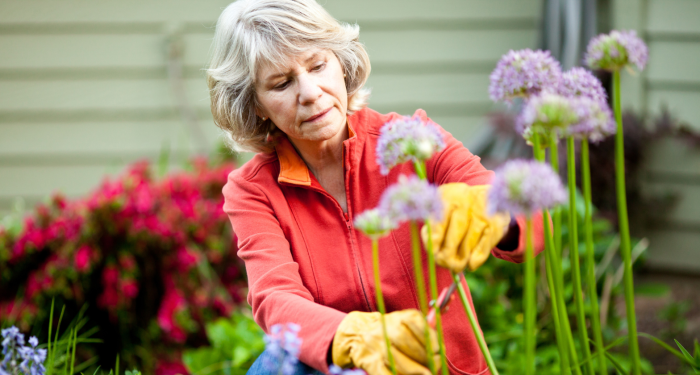
They garden, cook, walk, stretch, clean, laugh, dance, play with kids or pets. They live in a way that keeps the body naturally active and engaged. That’s why they don’t need the gym—their lifestyle already gives them what they need.
The bigger picture
Fitness in later life isn’t a race—it’s a rhythm. It’s about building a body that supports your lifestyle, not the other way around. You don’t need fancy equipment, but you do need consistency, curiosity, and respect for what your body can still do.
So if you’re not someone who loves the gym, that’s fine. You don’t have to be. Just move more. Stay curious. Keep good company. Eat real food. Go outside. Rest deeply. Repeat that for years—and you’ll be surprised at how strong and youthful you feel.
As I often remind readers, mindfulness isn’t just about sitting still. It’s about moving through life with awareness—with gratitude for every step, breath, and heartbeat that’s still yours to enjoy.
That, in the end, is the real secret to lifelong fitness.
What’s Your Plant-Powered Archetype?
Ever wonder what your everyday habits say about your deeper purpose—and how they ripple out to impact the planet?
This 90-second quiz reveals the plant-powered role you’re here to play, and the tiny shift that makes it even more powerful.
12 fun questions. Instant results. Surprisingly accurate.