Eight athletes swapped steak for plants and turned recovery into a cheat code—less inflammation, more gas tank, and performances that just didn’t quit
I was shelving cookbooks after closing one night when a regular slid onto a barstool and asked if I’d ever tried racing a hangover. I laughed.
He didn’t. “Try racing a salad,” he said, tapping his water. He wasn’t preaching; he was winning. A year later he ran his first ultra. The thing that stuck wasn’t his medal—it was his grocery list.
I don’t think plants are magic. I do think plants are a performance multiplier for a certain kind of athlete—the ones who care about recovery as much as highlights, sleep as much as swagger.
These eight didn’t just go plant-based; they got scary good at the unsexy margins: inflammation control, repeatability, and the ability to wake up tomorrow feeling like their body is a teammate, not an op-ed.
Below are eight athletes who shifted toward plants and turned the dial from great to relentless. I’ll also share the simple, repeatable habits they used so you can steal the parts that fit your life—even if your podium is a Tuesday.
1. Lewis Hamilton turned compassion into lap time
When the seven-time world champion went vegan in 2017, a lot of people expected a dip. He found the opposite: steadier energy, quicker recovery, and a calmer baseline in a sport that eats nerves for breakfast. What I admire most isn’t the podiums; it’s the pattern—long seasons, high travel, and still showing up sharp on Sundays. Plants didn’t make him a champion. They kept him a champion in a machine that grinds the edges off most mortals.
Steal this: build a boring travel meal. Hamilton can’t control the paddock buffet; you can’t control airport food. A pre-packed combo—grain, greens, beans, a fat (olive oil, tahini, avocado), and fruit—beats gambling on a sad sandwich at Gate 42.
2. Novak Djokovic mastered recovery like a second serve
Djokovic doesn’t love labels, but he’s been open about his gluten- and dairy-free, plant-leaning diet and how it stabilized his stamina. Tennis is a recovery sport disguised as a skills sport; you play for hours and do it again tomorrow. The edge isn’t the banana at changeover; it’s the inflammation you don’t carry into the next round. Watching him move at 5–all in the fifth isn’t just talent—it’s management.
Steal this: eat your electrolytes. Citrus, melons, bananas, leafy greens, and a pinch of salt in your water beat the sugar bomb you chug out of habit.
3. Venus Williams rebuilt a career with a fork
After a Sjögren’s syndrome diagnosis in 2011, Venus shifted toward a raw, plant-forward diet to manage symptoms and extend her time on court. What impresses me most is her pragmatism. She wasn’t chasing an identity; she was chasing matches she could finish and mornings she could trust. Longevity is an art. She painted with plants.
Steal this: make a default anti-inflammatory plate: dark greens + berries + seeds + olive oil. Repeat until it’s muscle memory. Your joints will write you a thank-you note around week three.
4. Scott Jurek ran past the horizon on legumes
In ultrarunning, humility is a survival tool. Jurek brought that, plus a fully plant-based approach, to 100-mile races and made “vegan” synonymous with “relentless.” His secret wasn’t kale mysticism. It was systems: simple starches for steady fuel, salty broths when the stomach turns, and protein from beans, lentils, tofu, and tempeh to rebuild what the mountains steal. He didn’t just win races; he recovered fast enough to train again.
Steal this: design a “bonk kit” for long days—dates, salted nuts, a banana, and a small tortilla with peanut butter. If your energy nose-dives, you’re one pocket away from a comeback.
5. Chris Paul turned plants into longevity (and better mornings)
When a 12-time NBA All-Star goes plant-based in his mid-30s and starts raving about less soreness and faster bounce-back, I pay attention. Paul didn’t try to be 22 again; he tried to be available. In pro sports, availability is a superpower. Plants gave him more of it—lighter joints, steadier energy, and fewer “why am I this stiff?” afternoons.
Steal this: set a “9 p.m. kitchen curfew.” Late-night snacking is a recovery thief. Close your food window earlier, hydrate, and watch what happens to your sleep (and cravings).
6. Alex Morgan paired plants with power
The USWNT star went vegan and kept scoring like gravity. What I love about her example is how normal it looks: high-output training, a plant-centered plate, and no drama around it. She didn’t turn food into a personality; she turned it into a tool. The result is speed that shows up in the 88th minute when defenders are bargaining with their hamstrings.
Steal this: swap “protein or plants” for “protein from plants.” Build plates around legumes, tofu, tempeh, or seitan, then add color until it looks like a parade.
7. Nate Diaz weaponized plants for endurance grit
The Stockton marathoner who throws punches for a living made a plant-based template look rugged, not precious. People laughed until they met his gas tank. Fights are hydration math—it’s sweat management, heart-rate control, and the ability to recover between rounds while someone tries to separate you from yourself. Plant-forward eating gave him that slow-drip energy and recovery to match.
Steal this: after any hard session, get 20–30g of protein plus carbs within an hour: a smoothie with frozen fruit, soy milk, tofu or plant protein, and a spoon of nut butter is the opposite of complicated.
8. Patrik Baboumian got impossibly strong without steak
The strongman who went vegan and then carried a yoke that looked like a small building did more than break stereotypes; he broke the “where do you get your protein?” loop for a lot of skeptics. Strength is built in the rack and recovered at the table. Plants handled the recovery; training built the engine. The takeaway isn’t that steak is evil. It’s that muscle is a response to stress plus nutrients, and those nutrients have many addresses.
Steal this: eat by the “3 P’s” after lifting—protein, produce, and potatoes (or another starch). It’s hard to go wrong if you hit all three.
Why plants can unlock “unstoppable” (without magic thinking)
No one wins because they ate a blueberry. They win because of what a plant-centered pattern does over months:
-
Inflammation down, training up. Less background inflammation means you can stack sessions without feeling wrecked. That’s where progress hides.
-
Micronutrients increase your margin. More potassium, magnesium, folate, and antioxidants = better muscle function and cellular cleanup. Boring? Yes. Effective? Very.
-
Fiber smooths energy. Blood sugar behaves when your meals come wrapped in fiber. So does your mood.
-
Hydration sneaks in. Plant-heavy plates carry water. Go look at a cucumber. It’s basically a wet weight.
But there are tradeoffs—and the pros handle them with systems:
-
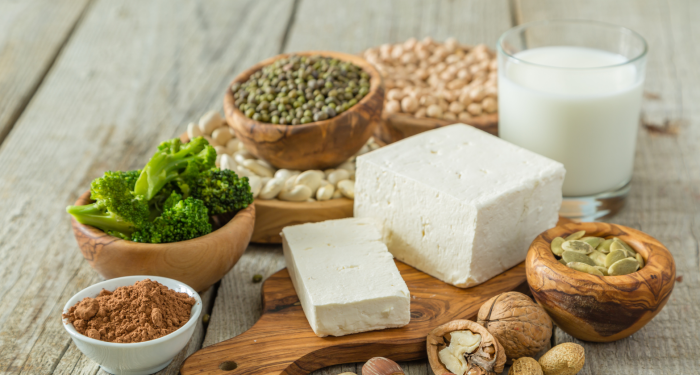
Protein: Not hard, just intentional. Legumes, tofu, tempeh, seitan, edamame, peas, and whole grains combine to cover your bases.
-
B12 & iron: Supplement B12 if you’re fully vegan. For iron, pair beans/lentils with vitamin C (citrus, peppers) to boost absorption.
-
Omega-3s: Flax, chia, walnuts, and algae oil if you want to get fancy. Your brain will appreciate it.
-
Calories: Plants are bulky. If you’re training hard, you’ll need more volume or more calorically dense foods (nuts, seeds, dried fruit, olive oil, tahini).
A simple plant-forward day for actual humans
I like templates that work on a Tuesday:
-
Breakfast: Oats cooked in soy milk with berries, chia, and peanut butter. Coffee. Water.
-
Snack: Banana + handful of salted almonds.
-
Lunch: Big bowl—quinoa, black beans, roasted sweet potato, greens, salsa, avocado, squeeze of lime.
-
Pre-workout: Dates and a pinch of salt, or toast with jam.
-
Dinner: Tofu stir-fry with mixed veggies over rice; side of kimchi or a quick cucumber salad.
-
Dessert: Dark chocolate or frozen grapes. (Choose joy. It helps compliance.)
What this looks like outside the gym
When I sold my restaurant group during the pandemic, the first thing I noticed after shifting more plant-forward at home wasn’t weight or willpower—it was recovery from life. Fewer 3 p.m. crashes. Less “I need a nap to survive dinner with the kids” bargaining. The same mechanics that make an athlete unstoppable make a parent more patient and a founder less fried.
If you’re curious but allergic to extremes, try my 2–2–2 method for eight weeks:
-
Two plant-based breakfasts per week (oats, smoothies, tofu scramble).
-
Two plant-based lunches per week (grain bowls, big salads with legumes).
-
Two plant-based dinners per week (stir-fries, pasta with bean-based sauces, chili).
No identity crisis, no lecture. Just reps. Most people feel the upgrade before they can explain it.
Final words
Sure, I still love a steak cooked correctly and a glass of red that smells like it went to grad school.
But I also love watching athletes—and regular people—find out what their body can do when the fuel stops fighting the engine. The point isn’t conversion. It’s curiosity with a side of consistency.
If you want to feel unstoppable, start where these eight did: with a plate that lets you show up tomorrow and the day after that. Pick one habit from the “steal this” sections and run it for a month. See how your joints feel. See how your sleep acts. See how your mornings greet you.
Unstoppable isn’t a mood. It’s a pattern—often quiet, occasionally leafy, and always built in the margins where nobody’s watching. Add water. Add plants. Add boring. Then add another notch to your personal best, whether that’s a mile time, a project, or the simple, undefeated rhythm of waking up and wanting to move.
If You Were a Healing Herb, Which Would You Be?
Each herb holds a unique kind of magic — soothing, awakening, grounding, or clarifying.
This 9-question quiz reveals the healing plant that mirrors your energy right now and what it says about your natural rhythm.
✨ Instant results. Deeply insightful.
Related Stories from VegOut
- 9 things people who grew up in the 70s did on snow days that kids today will never replicate
- The conversation your adult children have had about you multiple times that they're waiting for the "right moment" to bring up—and why that moment keeps getting postponed
- The reason your adult children visit their in-laws more than they visit you has nothing to do with distance—and everything to do with these 7 things