After decades of chasing productivity hacks and optimization strategies, Americans are discovering that Europeans might have had the secret to a fulfilling life all along – and it has nothing to do with working harder.

Add VegOut to your Google News feed. 
You know what's funny? When I first started splitting my time between Saigon and Singapore, I noticed something fascinating about how differently people approach their daily coffee.
In Singapore, professionals grab their kopi and rush back to the office. But in Vietnam? People actually sit. They linger. They watch the world go by while sipping their ca phe sua da.
This small observation opened my eyes to something bigger that's been happening lately. Americans are finally discovering what Europeans have known for generations: Life doesn't have to be a constant sprint.
After years of glorifying the hustle and wearing exhaustion like a badge of honor, more of us are looking across the Atlantic and realizing maybe there's wisdom in those long French lunches and Spanish siestas.
Maybe those Scandinavians who leave work at 4 PM aren't lazy – they're onto something.
The art of slow living isn't about doing less. It's about being more intentional with how we spend our time and energy. And these eight European habits? They're slowly but surely making their way into American consciousness.
1) The sacred lunch break
Remember when lunch meant scarfing down a sad desk salad while answering emails? Europeans look at this behavior like we've lost our minds – and honestly, they might be right.
In France, Spain, and Italy, lunch is an event. Restaurants close between 2 and 4 PM not because they're inefficient, but because everyone – including the staff – is taking a proper break. They sit down, they eat real food, they talk to colleagues about something other than quarterly reports.
When I'm in Vietnam, I see this same respect for mealtime. Nobody rushes you. The idea of eating while walking down the street seems absurd. Food is meant to be savored, not inhaled.
Americans are starting to catch on. More companies are creating dedicated lunch spaces away from desks. Some are even instituting "no meeting" lunch hours. We're remembering that productivity actually increases when we give our brains a real break.
2) Walking as transportation, not just exercise
In most European cities, walking isn't something you schedule at the gym. It's how you get places. The Dutch bike everywhere. Parisians walk to the metro. Italians take their evening passeggiata not for fitness tracking, but for the simple pleasure of movement and conversation.
This shift in mindset changes everything. When walking becomes part of your daily routine rather than another task on your to-do list, it stops feeling like work. You notice things. You bump into neighbors. You actually experience your city instead of just driving through it.
I write about this concept in my book "Hidden Secrets of Buddhism: How To Live With Maximum Impact and Minimum Ego" – how mindful movement can become a form of meditation. Europeans have been doing this naturally for centuries.
More American cities are becoming walkable. People are choosing neighborhoods based on walkability scores. We're realizing that those 10,000 steps shouldn't all happen on a treadmill.
3) The art of doing nothing
Italians call it "dolce far niente" – the sweetness of doing nothing. The Dutch have "niksen." The Spanish take siestas. Meanwhile, Americans have been programmed to feel guilty for sitting still for five minutes without checking our phones.
But here's what I've learned: Doing nothing isn't actually nothing. It's when your brain processes information, makes connections, and recharges. It's when creativity happens.
Every morning with my strong black coffee, I practice this art. No phone, no agenda, just me and the coffee. Sometimes my best insights come during these "unproductive" moments.
Americans are slowly embracing this through meditation apps, float tanks, and digital detoxes. We're learning that constant stimulation isn't strength – it's exhaustion wearing a disguise.
4) Shorter work days, fuller lives
When Denmark consistently ranks as one of the happiest countries in the world, maybe we should pay attention to their 37-hour work week. Germans are incredibly productive, yet they take six weeks of vacation and actually disconnect when they leave the office.
The American myth that longer hours equal greater success is crumbling. Studies keep showing that productivity drops after about 50 hours per week. Those extra hours at the office? They're making us worse at our jobs, not better.
Remote work has accelerated this shift. People are realizing they can get their work done in six focused hours instead of ten distracted ones. Some companies are experimenting with four-day work weeks. The results? Higher productivity, better retention, happier employees.
5) Real conversations over coffee
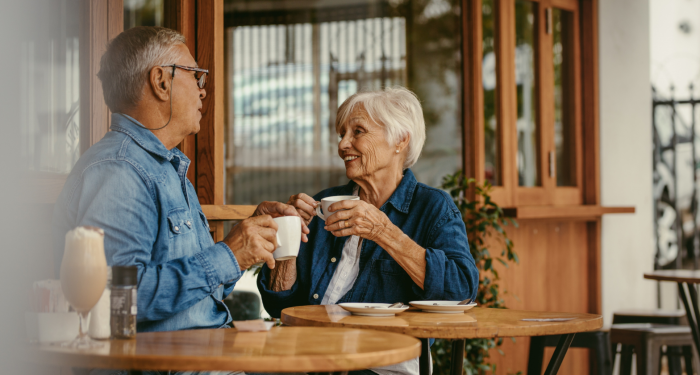
In Vienna, coffee houses are UNESCO cultural heritage sites. In Italy, your morning espresso at the bar includes a chat with the barista and whoever else is there. Coffee isn't fuel – it's a social ritual.
This is what I love about Vietnamese café culture. Nobody orders coffee to go. You sit, you sip, you watch the controlled chaos of Saigon traffic, you talk to whoever's around. Coffee becomes an experience, not a transaction.
Americans invented the drive-through coffee shop, but we're rediscovering the joy of actually sitting in one. Independent coffee shops are thriving again. People are scheduling "coffee dates" instead of meetings. We're remembering that human connection can't be optimized or hacked.
6) Seasonal living
Europeans eat tomatoes in summer and root vegetables in winter. They dress for the weather instead of fighting it with excessive air conditioning. They embrace each season instead of trying to maintain the same temperature and routine year-round.
There's profound wisdom in this approach. Living seasonally connects us to natural rhythms. It makes us more aware of time passing, more grateful for each phase.
In my book "Hidden Secrets of Buddhism: How To Live With Maximum Impact and Minimum Ego", I discuss how Buddhist philosophy emphasizes impermanence and cycles. Europeans live this philosophy without calling it that.
Americans are catching on through farmers' markets, seasonal menus, and capsule wardrobes. We're learning that constant availability of everything might not be the blessing we thought it was.
7) Multi-generational socializing
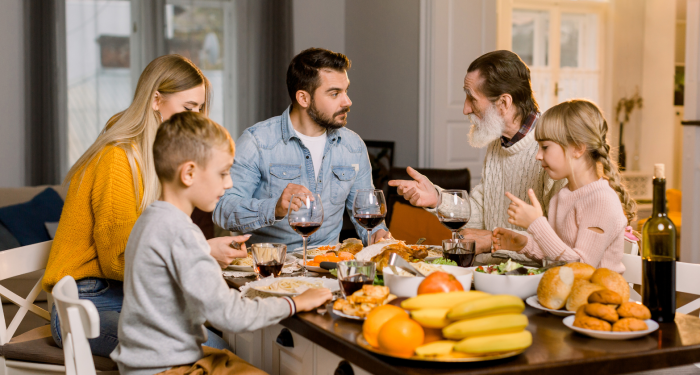
In European squares and parks, you'll see teenagers, parents, and grandparents all hanging out in the same spaces. Family dinners include everyone from toddlers to great-grandparents. There's no strict segregation by age.
This creates a different relationship with aging. When you regularly interact with people of all ages, you see the full arc of life. You learn from those who've lived longer. You stay connected to fresh perspectives from younger generations.
Americans are starting to question our age-segregated society. Multi-generational housing is increasing. Community spaces are being designed for all ages. We're realizing that maybe putting all the old people in one place and all the young people in another isn't the healthiest approach.
8) Public spaces as living rooms
Europeans treat public spaces differently. Parks aren't just for exercise. Plazas aren't just for passing through. These spaces are extensions of home where people gather, relax, and exist without spending money.
Watch Parisians along the Seine or Romans at the Spanish Steps. They're not tourists. They're locals using their city as a living room. No purchase necessary, no time limit, just being.
American cities are finally creating more human-centered public spaces. Parklets, pedestrian streets, and public plazas are popping up everywhere. We're remembering that not every square foot needs to generate revenue.
Final words
The irony isn't lost on me that it took living between two Asian cities to fully appreciate these European approaches to life. But that's the thing about slow living – the principles are universal, even if the expressions differ.
Whether it's the Vietnamese who linger over coffee, the French who protect lunch, or the Danish who leave work on time, the message is the same: Life is meant to be lived, not just optimized.
These habits aren't about being less ambitious or productive. They're about being more intentional with our energy and attention. They're about recognizing that a good life isn't measured only in achievements but in moments of presence, connection, and simple pleasure.
The best part? You don't need to move to Europe to adopt these practices. Start with one. Take a real lunch break. Walk somewhere instead of driving. Sit with your coffee without your phone.
Small daily practices matter more than grand transformations. Trust me on that one.
If You Were a Healing Herb, Which Would You Be?
Each herb holds a unique kind of magic — soothing, awakening, grounding, or clarifying.
This 9-question quiz reveals the healing plant that mirrors your energy right now and what it says about your natural rhythm.
✨ Instant results. Deeply insightful.

Lachlan Brown
Lachlan Brown is a psychology graduate, mindfulness enthusiast, and the bestselling author of Hidden Secrets of Buddhism: How to Live with Maximum Impact and Minimum Ego. Based between Vietnam and Singapore, Lachlan is passionate about blending Eastern wisdom with modern well-being practices.
As the founder of several digital publications, Lachlan has reached millions with his clear, compassionate writing on self-development, relationships, and conscious living. He believes that conscious choices in how we live and connect with others can create powerful ripple effects.
When he’s not writing or running his media business, you’ll find him riding his bike through the streets of Saigon, practicing Vietnamese with his wife, or enjoying a strong black coffee during his time in Singapore.
More Articles by Lachlan