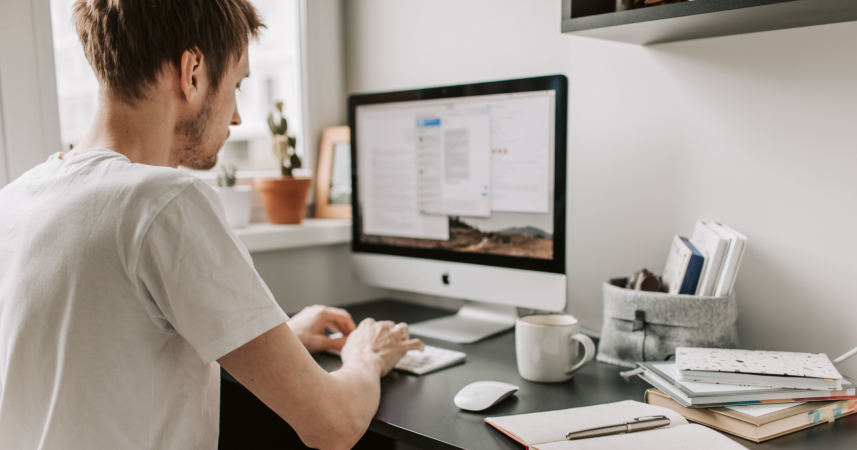
While millions remain trapped in an endless cycle of notifications and screen time, a quiet revolution of digital minimalists has discovered how to harness technology's power without sacrificing their peace of mind—and their methods are surprisingly simple.

Add VegOut to your Google News feed. 
Ever catch yourself reaching for your phone without even thinking about it? Like your hand has a mind of its own?
I used to do this constantly. First thing in the morning, last thing at night, and about a hundred times in between. My phone had become an extension of my arm, and honestly, it was exhausting.
The turning point came one morning when I realized I'd spent 45 minutes scrolling through nothing particularly important while my coffee went cold beside me. That's when I knew something had to change.
Technology isn't going anywhere, and honestly, I wouldn't want it to. It connects us, empowers us, and makes incredible things possible. But somewhere along the way, many of us have let it slip from being a tool to being our master.
The good news? You can absolutely have a healthy relationship with technology. It just takes some intentional habits and boundaries.
Here are nine habits I've observed in people who've mastered the art of digital minimalism.
1) They start their day phone-free
Want to know one of the simplest yet most powerful changes I've made?
I stopped checking my phone for the first hour after waking up.
Instead of immediately diving into emails, news, and social media, I give myself time to ease into the day. I make coffee, stretch, maybe journal a bit. Sometimes I just sit and watch the world wake up outside my window.
This simple habit sets the tone for the entire day. Instead of starting in reactive mode, responding to whatever demands are waiting in my inbox, I start with intention and clarity.
Try it for a week. Put your phone in another room before bed and don't touch it until you've had your morning coffee. You might be surprised at how much calmer and more focused you feel.
2) They practice single-tasking
In my book, Hidden Secrets of Buddhism: How To Live With Maximum Impact and Minimum Ego, I explore how Buddhist monks approach tasks with complete presence and attention.
They don't multitask. They single-task.
And there's profound wisdom in this approach.
Our brains aren't actually wired for multitasking. When we think we're doing multiple things at once, we're really just rapidly switching between tasks, and each switch costs us focus and energy.
People who use technology wisely understand this. They close unnecessary tabs, silence notifications, and give their full attention to one thing at a time.
When they're working on a project, that's all they're doing. When they're having a conversation, they're fully present. When they're watching a movie, their phone is in another room.
The result? They get more done, with less stress, and actually enjoy what they're doing.
3) They curate their digital environment ruthlessly
How many apps do you have on your phone that you haven't opened in months?
How many email subscriptions flood your inbox with stuff you never read?
Digital minimalists are ruthless curators of their digital spaces. They regularly audit their apps, unsubscribe from unnecessary emails, and unfollow accounts that don't add value to their lives.
Think of it like decluttering your physical space. You wouldn't keep a broken toaster on your kitchen counter just because it was there, right? So why keep apps and subscriptions that serve no purpose?
Every app, every notification, every subscription should earn its place in your digital life. If it doesn't serve a clear purpose or bring genuine value, it goes.
4) They take regular tech sabbaticals
Here's something I've started doing that has been game-changing: taking regular breaks from technology.
Sometimes it's just an evening without screens. Sometimes it's an entire weekend. The length doesn't matter as much as the consistency.
During these breaks, I rediscover parts of myself that get buried under the constant connectivity. I read physical books, have longer conversations, take walks without podcasts or music, and just let my mind wander.
These sabbaticals aren't about punishing yourself or being anti-technology. They're about creating space for other aspects of life to flourish.
5) They set clear boundaries around work technology
Remember when work stayed at work?
Now our work emails follow us everywhere, turning every moment into a potential work moment.
People who maintain healthy tech habits set clear boundaries around work technology. They have specific hours when they check work messages and stick to them. Their work notifications are off outside these hours.
One friend told me she treats her work phone like a vampire - it's not allowed to cross the threshold of her bedroom. Simple rule, powerful impact.
6) They choose quality over quantity in their digital connections
Social media promised to make us more connected, but somehow many of us feel lonelier than ever.
That's because digital minimalists understand something important: a thousand shallow connections aren't worth one deep relationship.
As I discuss in Hidden Secrets of Buddhism: How To Live With Maximum Impact and Minimum Ego, true connection requires presence and attention, something that's hard to give when you're managing hundreds of digital relationships.
Instead of trying to maintain connections with everyone they've ever met, digital minimalists focus on nurturing their most important relationships. They have actual phone calls, write thoughtful messages, and prioritize in-person meetups over endless texting.
7) They create intentional friction
Want to check Instagram? You have to log in every time.
Tempted to browse shopping sites? They're blocked during work hours.
Digital minimalists deliberately make it harder to engage in mindless digital behaviors. They log out of social media apps, use website blockers, keep their phones in another room, or even use apps that force them to wait before opening distracting sites.
This might seem extreme, but it works. By adding just a few seconds of friction, you give your conscious mind time to catch up with your automatic behaviors. Often, that's all it takes to break the cycle of mindless scrolling.
8) They consume content deliberately
Remember when watching a movie was an event? You'd plan it, maybe make some popcorn, and give it your full attention?
Digital minimalists still consume content this way. They don't just let Netflix autoplay episode after episode. They don't mindlessly scroll through social media feeds. They choose what to consume and when to consume it.
When I write in the early morning, before the world wakes up, I'm practicing this same principle. I'm choosing to create before I consume, to put my own thoughts out there before filling my head with everyone else's.
This deliberate approach to content consumption means they actually remember and enjoy what they watch, read, and listen to, rather than having it all blur together in an endless stream.
9) They remember that missing out is actually okay
FOMO - fear of missing out - drives so much of our compulsive technology use.
But here's what digital minimalists understand: missing out is not only okay, it's necessary.
You can't read every article, watch every video, or keep up with every trend. And trying to do so is a recipe for anxiety and exhaustion.
Instead, they've embraced JOMO - the joy of missing out. They're comfortable not knowing the latest gossip, not seeing every photo from their friend's vacation, not being part of every group chat.
By accepting that they'll miss most things, they can fully engage with the few things that truly matter to them.
Final words
Mastering digital minimalism isn't about becoming a luddite or swearing off technology forever.
I founded Hack Spirit back in 2016 precisely because I believe in using technology to share practical, accessible content that can genuinely help people. Technology itself isn't the problem.
The problem is when we let it run the show.
These nine habits aren't rules to follow perfectly. They're tools to experiment with, adapt, and make your own. Start with one or two that resonate with you and build from there.
The goal isn't to use less technology, but to use it more intentionally. To make sure that when you pick up your phone or open your laptop, you're doing it because you chose to, not because you're compelled to.
Because at the end of the day, technology should be enhancing your life, not consuming it.
If You Were a Healing Herb, Which Would You Be?
Each herb holds a unique kind of magic — soothing, awakening, grounding, or clarifying.
This 9-question quiz reveals the healing plant that mirrors your energy right now and what it says about your natural rhythm.
✨ Instant results. Deeply insightful.

Lachlan Brown
Lachlan Brown is a psychology graduate, mindfulness enthusiast, and the bestselling author of Hidden Secrets of Buddhism: How to Live with Maximum Impact and Minimum Ego. Based between Vietnam and Singapore, Lachlan is passionate about blending Eastern wisdom with modern well-being practices.
As the founder of several digital publications, Lachlan has reached millions with his clear, compassionate writing on self-development, relationships, and conscious living. He believes that conscious choices in how we live and connect with others can create powerful ripple effects.
When he’s not writing or running his media business, you’ll find him riding his bike through the streets of Saigon, practicing Vietnamese with his wife, or enjoying a strong black coffee during his time in Singapore.
More Articles by Lachlan