Despite filling their calendars with endless activities and social engagements, many retirees discover that the cure for their persistent loneliness isn't another book club or volunteer shift—it's finding just one person with whom they can admit they're terrified of growing old.

Add VegOut to your Google News feed. 
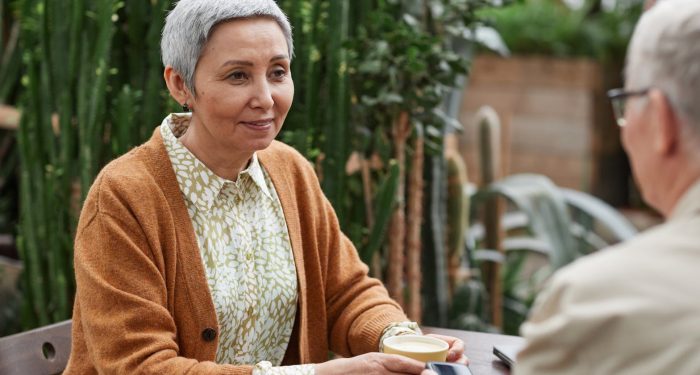
Last spring, I found myself sitting across from my neighbor at our kitchen table, both of us nursing cups of coffee that had long gone cold.
We'd been meeting like this every Thursday morning for fifteen years, but this particular morning felt different. She'd just confessed something that had been eating at her for months—how desperately lonely she felt despite being busier than ever with volunteer work, book clubs, and fitness classes.
"I'm surrounded by people all day," she said, her voice barely above a whisper, "but I can't tell any of them how scared I am about getting older."
Her words hung in the air between us, and I realized she'd just given voice to something I'd been observing in so many retirees around me. They were doing everything the retirement guides suggested—staying active, joining clubs, maintaining social calendars that would exhaust someone half their age—yet the loneliness persisted like a low hum beneath all that activity.
The busy trap of retirement
When we retire, well-meaning friends and family often push us toward endless activities. Join this club! Take that class! Volunteer here! The underlying message seems to be that if we just stay busy enough, we won't have time to feel lonely. But what if all this busyness is actually keeping us from addressing what we really need?
I learned this the hard way after losing my second husband. For six months, I barely left the house, and when I finally emerged, everyone had the same prescription: get busy. So I did. I filled my calendar until there wasn't a blank space to be found. Yet lying in bed at night, the loneliness was still there, perhaps even more acute because I was exhausted from pretending all day that I was fine.
Research from BMC Public Health indicates that retirement doesn't have an immediate or long-term association with loneliness, but newly retired individuals may experience a reduction in social isolation in the short term. This suggests that it's not the quantity of social connections that matters most, but something deeper about the quality of those connections.
Why vulnerability changes everything
Have you ever noticed how we can be in a room full of people and still feel utterly alone? That's because most social interactions operate on the surface level. We talk about the weather, our grandchildren's achievements, the latest book we've read. But we rarely venture into the territory of our fears, our regrets, or our genuine struggles with aging.
Psychology Today defines it perfectly: "Being vulnerable is an openness about one's feelings, successes, failures, strengths, and inadequacies as well as hopes and dreams." This kind of openness requires tremendous courage, especially in a culture that often treats aging as something to fight against rather than embrace.
When I joined a widow's support group years ago, I discovered something remarkable. These women, who started as strangers, quickly became my closest circle of friends. Why? Because from day one, we dropped the pretense.
We cried ugly tears. We admitted to sleeping with our late husbands' shirts. We confessed our terror about managing finances alone. There was no performance, no mask to maintain—just raw, honest connection.
The one relationship that matters most
You don't need a dozen surface-level friendships. You need one relationship where you can be completely, unapologetically yourself. This might be with a spouse, a friend, a sibling, or even a therapist. The key is finding someone with whom you can share your truth without fear of judgment.
Kathy McCoy, Ph.D., shares a revealing confession from a woman named Louise: "I feel guilty about not always wanting to be with my husband. But then I reminded myself that while I married him for life, I didn't marry him for lunch.
I can really do without him sitting, watching golf on television, and telling me how I can vacuum or load the dishwasher more efficiently. I want to see friends on my own as well as together and to do things that he has no interest in."
This kind of honesty—acknowledging the complexities of retirement relationships—is exactly what we need more of. It's refreshing to hear someone admit that constant togetherness isn't always blissful, that retirement brings its own relationship challenges.
Building your safe harbor
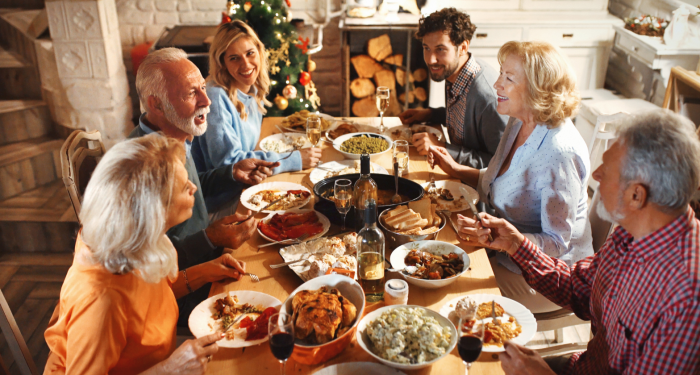
Creating a relationship where emotional honesty thrives doesn't happen overnight. It requires intentional cultivation and mutual trust. I think about my weekly supper club with five women friends. Yes, we share meals, but the food is almost beside the point. What we really share are our lives—the messy, complicated, beautiful truth of them.
Last month, one friend admitted she was considering antidepressants but felt ashamed about needing them "at her age." Another shared that she sometimes forgot her late husband's voice and felt guilty about it. These aren't conversations you have with casual acquaintances at the grocery store. They require a foundation of trust built over time.
A study from the University of New Hampshire found that older adults without children are more vulnerable to loneliness, but strong, supportive friendships can significantly reduce this loneliness. The emphasis here is on "supportive"—not just friendships where you share activities, but ones where you share your authentic self.
The ripple effect of honest connection
When you have even one relationship where you can be completely honest about your feelings, something magical happens.
That authenticity begins to ripple outward. You become less interested in maintaining facades and more interested in genuine connection. You might find yourself having deeper conversations with others, asking real questions instead of making small talk.
Research published in the Journal of Gerontology found that loneliness among older adults is associated with worse trajectories of episodic memory over time.
This indicates that emotional well-being, including having close relationships where we can be honest about our feelings, may be crucial for maintaining cognitive functioning as we age. In other words, that one honest relationship isn't just good for your heart—it's good for your brain too.
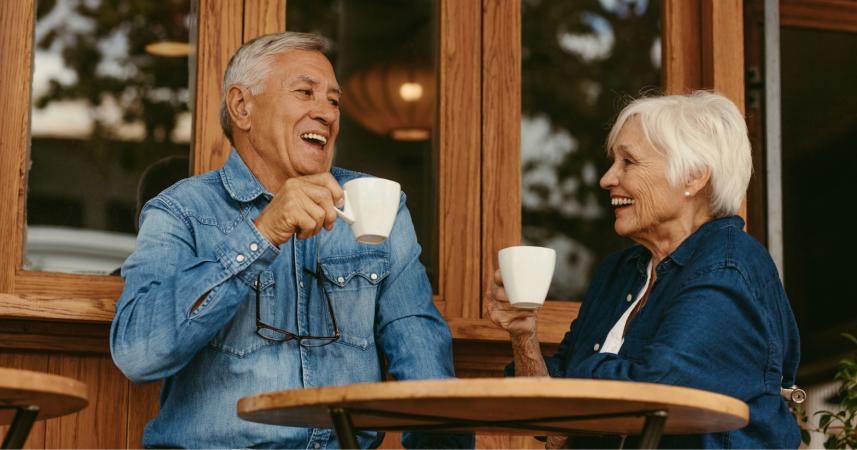
I have a forty-five-year friendship with my college roommate, and despite living in different states, we've maintained something precious. We can pick up the phone and within minutes be talking about our deepest fears or greatest joys. No preamble needed, no catching up on surface details first. Just straight to the heart of what matters.
Final thoughts
If you're feeling lonely in retirement despite a full calendar, perhaps it's time to stop adding more activities and start deepening one relationship. Choose someone you trust and take a small step toward greater honesty.
Share something you've been holding back—a fear, a regret, a wild dream you think you're too old to pursue. You might be surprised at what unfolds when you stop performing retirement happiness and start living retirement truth.