Moving overseas doesn't mean you stopped loving your home country. It just means you wanted a daily life elsewhere that feels lighter—one plate, one walk, and one unrushed evening at a time.

Add VegOut to your Google News feed. 
When I moved abroad in my thirties, I wasn’t trying to make a grand statement.
I just wanted a change—new streets to walk, new markets to explore, a gym that wasn’t packed at 6 p.m.
What surprised me was how fast some beliefs I carried about “making it” in America started to wobble.
Not because I stopped loving the U.S., but because daily life elsewhere felt…lighter.
Less expensive, less frantic, and more human.
I realized a hard truth I’d missed back home: a lot of the stress we accept as “normal” is optional.
I saw how much success depends on your zip code
In the States, I treated price like a signal of quality.
If it cost more, it had to be better—apartment, coffee, groceries, everything.
Abroad, my rent dropped, my commute got simpler, and my morning espresso didn’t feel like a financial decision.
When your baseline isn’t stressful, you think clearer, you sleep better, and you make calmer choices.
Suddenly, goals are about what you want to build, not what you’re trying to escape.
The treadmill was cultural, not just personal
A mentor once told me, “If you don’t pick your metrics, you inherit someone else’s.”
Back home, the metrics felt loud—title, square footage, school district, car.
Overseas, people asked different questions: Where did you eat? What are you reading? Want to grab a walk after work?
That shift didn’t kill my ambition—it just stopped screaming in my ear.
When balance is normal, you can chase big things without burning out for the optics.
Status fades, skills travel
Moving stripped away my shortcuts.
No one cared where I used to work or who I used to serve.
It was humbling and oddly freeing.
I built from basics—writing better, cooking for friends, and sharing simple kitchen skills that actually help.
That’s when it clicked: Status signals expire.
Skills compound—meaning is just skills, offered.
Groceries reminded me what “enough” feels like
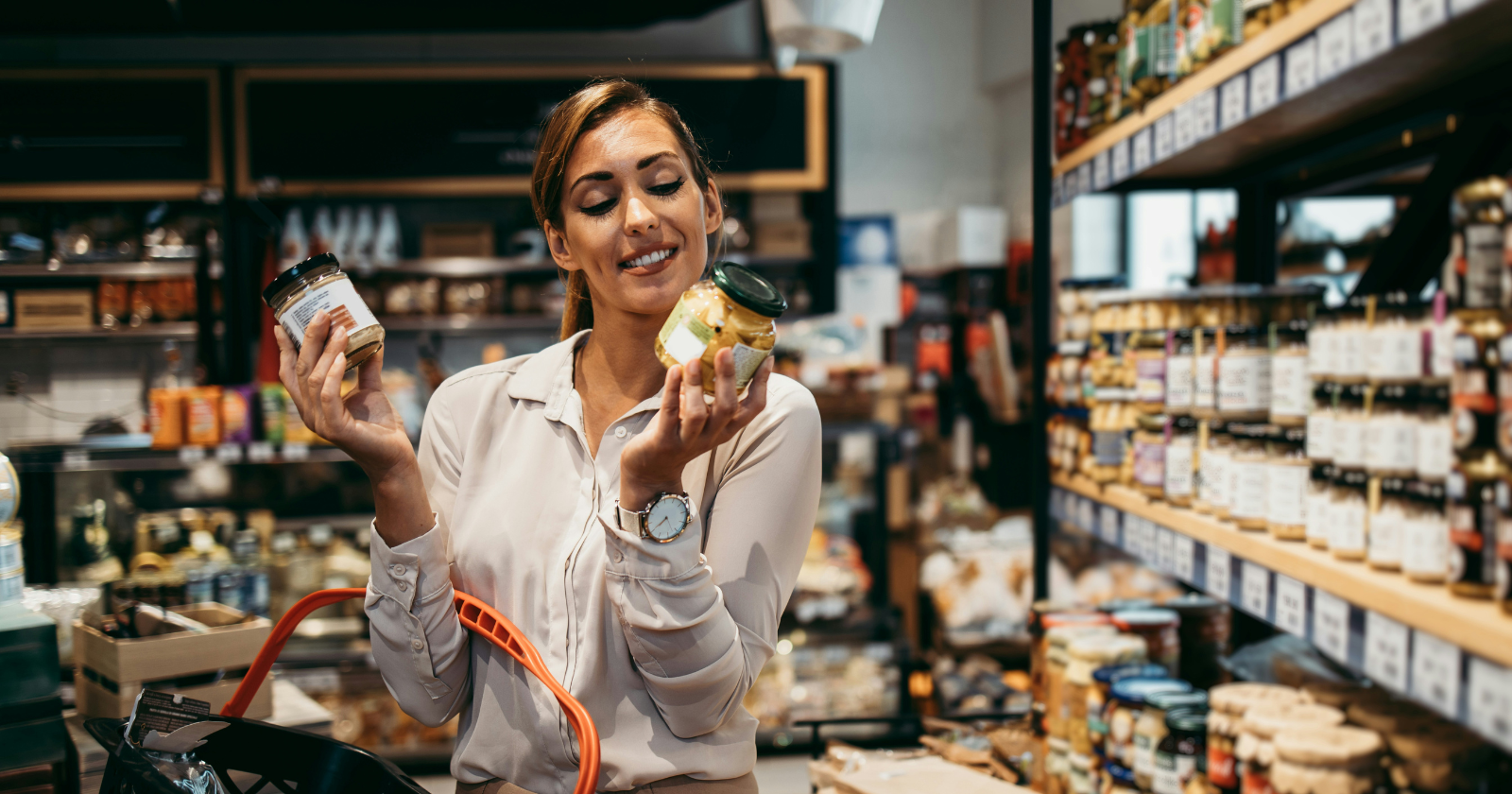
I love good food, but in the U.S. even basics started to feel premium.
Abroad, the ratio flipped.
Fresh produce, beans, olive oil, great bread, fish caught that morning—it was all accessible.
Cooking at home started to feel like the luxury move.
With a stocked pantry, dinner didn’t require heroics.
Twenty minutes and a hot pan, and you’ve got something you’re actually excited to eat.
That steady feeling of “we’re fine” is worth more than most upgrades.
Food culture felt like real wealth
My favorite kind of wealth now is a place where dinner is an event, not a transaction.
I’m talking about tiny shops that do one thing well, street stalls with lines for a reason, and aunties arguing (lovingly) about which herb goes in which stew.
I traded novelty for depth.
Same market, same vendors, better questions.
I learned which tomatoes want heat and which only want salt—I stopped chasing fancy for the sake of it and started chasing flavor.
Healthcare and time off turned down the background noise
No system is perfect, but getting sick shouldn’t feel like a financial cliff.
That constant background worry changes how you eat, sleep, and recover.
In my new home, I could book a doctor without a paperwork marathon, and vacations were real vacations.
When the basics are handled, weekends stop being triage.
Life happens in the open spaces.
Ambition got quieter—and more effective
I worried moving would dull my edge, but it did the opposite.
With fewer status expenses and less noise, I focused on craft.
I wrote tighter, I edited harder, and I pitched ideas I believed in, not the ones that looked good on LinkedIn.
That line from Atomic Habits kept echoing: You don’t rise to your goals; you fall to your systems.
My system got simple—sleep, market days, workouts, writing sprints, dinner with friends.
Nothing flashy but very effective.
Relationships became the real safety net

Starting over meant building community from scratch—food helped!
I hosted a Sunday potluck with one rule: Bring the dish that tastes like home.
We built a table on stories and seconds.
That changed how I think about security.
Yes, money matters but so does having people who pick you up from the airport, send you the best noodle stall pin, or text to ask if you’ve eaten.
You don’t buy that—you build it.
Marketing sells aspiration (I buy repetition)
Distance made it easier to see the script I’d been fed: treat yourself, upgrade everything, buy belonging.
I swapped it for a different loop: spend on things that compound—skills, friendships, sleep, basic health.
Go unbranded when you can.
Save big splurges for actual moments.
A great bottle next to a simple home-cooked meal hits harder than the most hyped reservation.
You can redesign your life without moving
Not everyone can relocate—you don’t have to.
Start with better questions:
- What am I optimizing for—status or satisfaction?
- Which expenses improve my day, and which are costumes?
- Where am I renting belonging instead of building it?
Then make the good choice the easy choice.
Stock your kitchen with ingredients you want to eat, set a bedtime that competes with autoplay, put a standing walk or dinner with a friend on your calendar.
You can even batch-cook a base—beans, grains, roasted vegetables—so “healthy” isn’t a 9 p.m. decision.
What food taught me about “enough”
Cooking is a masterclass in editing.
You don’t need 20 ingredients to eat well—you need heat, salt, acid, texture, and attention.
Some nights it’s grilled zucchini, tomatoes with olive oil and salt, and bread to chase the juices.
Other nights it’s a bowl of brothy beans with greens and lemon.
Both feel rich because you showed up for them.
Practice “enough” at the table and it spreads—to your budget, your calendar, your nervous system.
How I define opportunity now
Opportunity used to mean “big market, important people.”
Now it sounds like: A walkable neighborhood, dinner culture, sane healthcare, work I’m proud to sign, friends to feed and be fed by, and a body that feels used but not used up.
Does that exist in the U.S.? In pockets, for sure.
The illusion is treating it like the default—and blaming yourself if your reality doesn’t match the brochure.
The “dream” isn’t a location—it’s a design problem.
Here’s the scoreboard I actually track: Decent rent, honest food, real friends, deep sleep, creative work, and enough white space to be curious.
If those numbers trend up, I’m good; if they trend down, I don’t need a pep talk but a system tweak.
What I hope you take from this
If the story you grew up with keeps you anxious and exhausted, rewrite the story.
You don’t need permission, and you don’t need a plane ticket.
Start in your kitchen tonight: Chop an onion slowly, taste as you go, feed someone you care about, make the easy thing the good thing, and let your grocery list match your actual goals.
Build a week that doesn’t require rescuing by Friday.
The dream isn’t out there but here, in the patterns you practice—one plate, one walk, and one unrushed evening at a time.
If You Were a Healing Herb, Which Would You Be?
Each herb holds a unique kind of magic — soothing, awakening, grounding, or clarifying.
This 9-question quiz reveals the healing plant that mirrors your energy right now and what it says about your natural rhythm.
✨ Instant results. Deeply insightful.

Adam Kelton
Adam Kelton is a writer and culinary professional with deep experience in luxury food and beverage. He began his career in fine-dining restaurants and boutique hotels, training under seasoned chefs and learning classical European technique, menu development, and service precision. He later managed small kitchen teams, coordinated wine programs, and designed seasonal tasting menus that balanced creativity with consistency.
After more than a decade in hospitality, Adam transitioned into private-chef work and food consulting. His clients have included executives, wellness retreats, and lifestyle brands looking to develop flavor-forward, plant-focused menus. He has also advised on recipe testing, product launches, and brand storytelling for food and beverage startups.
At VegOut, Adam brings this experience to his writing on personal development, entrepreneurship, relationships, and food culture. He connects lessons from the kitchen with principles of growth, discipline, and self-mastery.
Outside of work, Adam enjoys strength training, exploring food scenes around the world, and reading nonfiction about psychology, leadership, and creativity. He believes that excellence in cooking and in life comes from attention to detail, curiosity, and consistent practice.
More Articles by Adam