

If your home tells its story through a well-worn skillet, a shelf of beloved books, or the scent of fresh lavender in the air, you’re already living quiet luxury.

Add VegOut to your Google News feed. 
Let’s be honest, class isn’t just about money.
It’s about subtle cues, quiet choices, and the way you curate your space.
You can usually tell a lot about someone by stepping into their home.
Sometimes, it’s the art on the walls. Other times, it’s the coffee maker on the counter or the books on the shelves.
I’ve noticed that upper middle class homes tend to have certain things in common.
It’s not about showing off wealth, but about prioritizing comfort, quality, and a sense of refinement that comes from lived experience rather than flashy consumption.
So if you’re curious about what those subtle signifiers are, here are eight things people often notice.
Let’s dive in.
1) Quality cookware that lasts decades
You can tell a lot about a household by the pots and pans they use.
Upper middle class homes often invest in cookware that can outlive them, like Le Creuset, All-Clad, or a set of Japanese carbon steel pans that have been seasoned over time.
These aren’t impulse buys from a big box store.
They are long-term investments.
It’s not really about the brand names, but about the mindset.
When you’ve learned the value of longevity, often through years of trial and error, you start prioritizing things that don’t need replacing every year.
I remember saving up for my first cast iron skillet.
It wasn’t cheap, but twenty years later, it’s still my kitchen workhorse.
Every time I cook with it, I’m reminded that durability and craftsmanship are quiet forms of luxury.
2) A well-stocked bookshelf
You know that feeling when you walk into someone’s home and your eyes immediately go to their bookshelf?
It’s one of the most revealing corners of a house.
Upper middle class homes often feature shelves filled with literature, biographies, and thought-provoking nonfiction.
It’s not just for display.
It reflects curiosity, education, and a desire for lifelong learning.
You’ll often find a mix of classics like Toni Morrison, Steinbeck, or Orwell, alongside modern thinkers and maybe a few cookbooks with sticky notes peeking out of them.
There’s something intimate about that.
A home with books says, “I value ideas.”
And that’s a strong hallmark of the upper middle class. Knowledge becomes a form of wealth.
3) Artwork that tells a story
Have you ever noticed how some homes have walls that feel curated?
Not decorated, but truly curated.
It’s not about having expensive art, but meaningful art.
It could be a local painter’s work, framed photography from travels, or a collection of handmade ceramics displayed with intention.
Upper middle class families tend to see art not as décor, but as expression.
Their homes tell stories through texture, color, and memory.
I once stayed at a friend’s house who had a watercolor painting of the street where her grandmother grew up in Lisbon.
It wasn’t pricey, but it was deeply personal.
That’s the kind of understated richness you can’t buy at a department store.
4) High-quality bedding and towels
There’s a reason luxury hotels invest in Egyptian cotton and thick towels.
They change the experience of daily living.
Upper middle class homes often prioritize quality in the background things, like the sheets, the towels, and the duvets.
You might not notice them right away, but you can feel them.
It’s the quiet indulgence of climbing into crisp sheets at the end of the day or wrapping yourself in a plush towel after a shower.
To me, this reflects a deeper principle: comfort as self-respect.
When you’ve reached a certain level of stability, you start creating small rituals of care for yourself and your family.
And yes, that starts with what you sleep in.
5) A thoughtfully designed kitchen
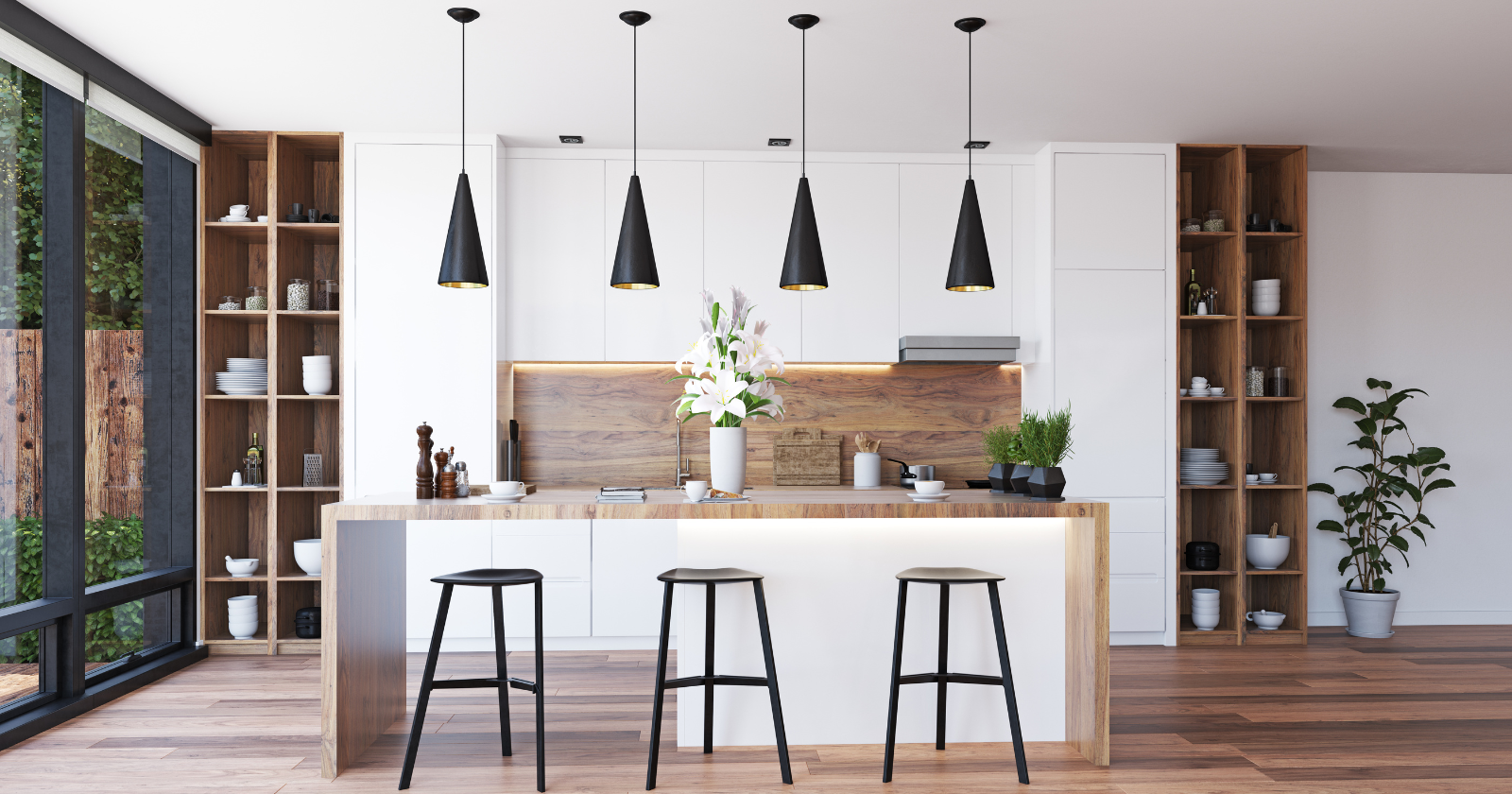 For many families, the kitchen is the heart of the home.
But for upper middle class households, it’s often a reflection of both practicality and taste.
You’ll see features like open shelving with neatly arranged jars, an espresso machine that could rival a café’s, or maybe even a collection of spices from around the world.
There’s a kind of mindfulness in these kitchens, a sense that food is not just fuel but an experience.
As someone who follows a plant-based lifestyle, I can tell you this: once you start valuing fresh, home-cooked meals, you naturally invest more in the environment where those meals are made.
It’s not about showing off granite countertops or designer appliances.
It’s about making the space feel intentional and alive.
6) Fresh flowers or greenery
You can feel the difference between a space that’s alive and one that’s just “kept.”
Fresh flowers, potted herbs, or lush indoor plants add that unmistakable touch of upper middle class living.
They bring movement and life into a home.
I’ve noticed that people who keep plants also tend to have a certain groundedness about them.
There’s something inherently mindful about caring for another living thing, watering it, pruning it, and noticing its growth.
I keep a few herbs in my kitchen window: basil, rosemary, and mint.
They don’t just make my food better, they remind me to slow down and appreciate growth in all forms.
And yes, a vase of fresh tulips or eucalyptus stems on a table instantly creates atmosphere.
7) Candles, diffusers, and subtle scent design
Have you ever walked into a home and immediately felt calm?
Chances are, scent had something to do with it.
Upper middle class homes often carry a quiet, distinct fragrance, not from heavy air fresheners, but from candles, essential oil diffusers, or naturally scented cleaning products.
It’s not only about smelling good.
It’s about creating a sensory environment that reflects harmony and care.
One of my favorite rituals is lighting a soy candle while making my morning tea.
It’s small, but it makes my space feel like a sanctuary.
The upper middle class mindset often values experiences over things, and scent is one of the simplest ways to elevate the everyday.
8) Subtle tech upgrades that simplify life
Not every sign of class is vintage or handcrafted.
Sometimes, it’s sleek and quiet technology that makes daily life more efficient.
Think of smart thermostats, wireless sound systems, or energy-efficient lighting, all integrated seamlessly without screaming for attention.
There’s a difference between homes overloaded with gadgets and homes that use tech thoughtfully.
Upper middle class families usually fall into the latter group.
They adopt tools that enhance their routines rather than dominate them.
I once visited a home where everything, from the lights to the blinds, was controlled through one small panel near the door.
It wasn’t futuristic, just functional.
The technology blended into the background, serving the people rather than the other way around.
Final thoughts
If you’ve recognized a few of these items in your own home, that’s no accident.
These things aren’t just about financial comfort.
They reflect values.
They show an appreciation for quality, mindfulness, and the quiet joy of daily rituals done well.
What I find most interesting is that none of these things scream wealth.
Instead, they whisper stability, curiosity, and discernment.
At the end of the day, being upper middle class isn’t only about what you can afford.
It’s about what you choose to value.
And if your home tells that story through a well-worn skillet, a shelf of beloved books, or the scent of fresh lavender in the air, then you’re already living a kind of quiet luxury.
If You Were a Healing Herb, Which Would You Be?
Each herb holds a unique kind of magic — soothing, awakening, grounding, or clarifying.
This 9-question quiz reveals the healing plant that mirrors your energy right now and what it says about your natural rhythm.
✨ Instant results. Deeply insightful.

Avery White
Formerly a financial analyst, Avery translates complex research into clear, informative narratives. Her evidence-based approach provides readers with reliable insights, presented with clarity and warmth. Outside of work, Avery enjoys trail running, gardening, and volunteering at local farmers’ markets.
More Articles by Avery










