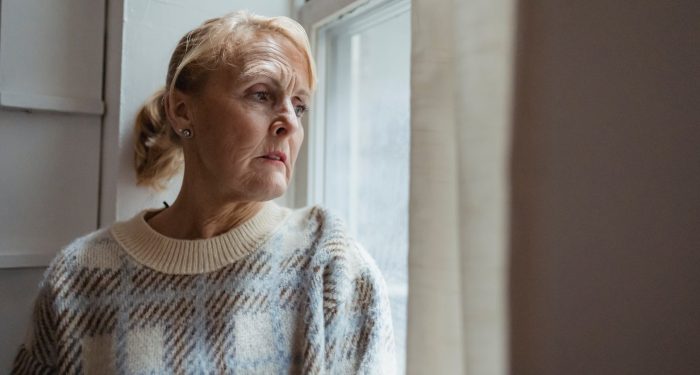
After years of consuming every notification, update, and breaking news story like my life depended on it, I discovered that deliberately choosing what NOT to know transformed my anxiety-riddled mind into a focused, creative powerhouse.

Add VegOut to your Google News feed. 
Remember that feeling when you first got a smartphone? The rush of having the world at your fingertips, every update, every breaking news story, every friend's status change instantly available?
Yeah, I was that guy who thought I needed to know everything. I'd wake up and immediately check five different news apps, scroll through three social media platforms, and dive into my email before my feet even hit the floor. By 9 AM, I'd already consumed more information than my grandparents probably did in a month.
I genuinely believed that being informed about everything made me smarter, more connected, more capable. Spoiler alert: it didn't. It made me anxious, scattered, and ironically, less informed about the things that actually mattered in my life.
The turning point came during a particularly rough patch in my mid-20s. Despite doing everything "right" by conventional standards, I felt completely lost and unfulfilled. My mind was constantly racing, jumping from one piece of information to the next, never really processing anything deeply. I was drowning in a sea of updates, opinions, and notifications, and somehow still felt like I was missing out.
That's when I discovered something that changed everything: strategic ignorance. Not stupidity, not willful blindness, but the deliberate choice to filter what deserves your attention and what doesn't.
1) The information overload trap
Here's what nobody tells you about our information-saturated world: your brain wasn't designed to process this much input.
We're talking about thousands of headlines, hundreds of social media posts, dozens of emails, all competing for your attention every single day. And that's before we even get to podcasts, YouTube videos, and that friend who sends you twenty TikToks before breakfast.
When I finally took a step back and looked at my information consumption habits, I realized something disturbing. I could tell you about political scandals in countries I'd never visit, celebrity breakups I didn't care about, and viral controversies that would be forgotten in a week. But ask me about my own goals, my relationships, or what actually brought me joy? I was drawing blanks.
The constant influx of information wasn't making me more informed. It was making me more anxious, more distracted, and paradoxically, less knowledgeable about the things that actually impacted my life.
2) The Buddhist principle that changed my perspective
During this period of overwhelm, I started exploring Eastern philosophy, which eventually led me to write my book Hidden Secrets of Buddhism: How To Live With Maximum Impact and Minimum Ego. One concept that really struck me was the idea of "right attention" in Buddhist teachings.
Buddhism doesn't tell you to ignore everything and live in a cave (though sometimes that sounds tempting, right?). Instead, it teaches the importance of directing your attention wisely. Not every piece of information deserves space in your mind. Not every update requires your immediate response.
Think about it this way: your attention is like a spotlight. You can shine it on a thousand things dimly, or you can focus it on a few things and actually see them clearly. When I started practicing meditation daily, even if just for five minutes some days, this became crystal clear. The noise started to fade, and the important stuff came into focus.
3) My strategic ignorance experiment
So I decided to run an experiment. For one month, I would practice what I called "strategic ignorance."
First, I unsubscribed from all news alerts except for one trusted source that I'd check once a day. Just once. Not first thing in the morning, not last thing at night, but during lunch when I could actually process what I was reading.
Next, I unfollowed everyone on social media who didn't add genuine value to my life. That influencer who made me feel inadequate? Gone. That old acquaintance who only posted political rants? See ya. I kept maybe 50 accounts that either taught me something useful, made me laugh, or belonged to people I actually cared about.
I also started taking regular technology breaks. No checking my phone during meals. No scrolling while watching TV. And definitely no devices for the first hour after waking up.
The first week was rough. I felt disconnected, anxious about what I might be missing. But by week two, something shifted. I started having actual conversations without mentally checking out to wonder what was happening online. I read entire books again. I noticed things around me that I'd been blind to for years.
4) The unexpected benefits of not knowing
Here's what surprised me most: being selective about information actually made me better informed about the things that mattered.
Instead of skimming fifty articles and retaining nothing, I'd read two or three deeply and actually understand them. Instead of knowing a little about every crisis happening globally, I became genuinely knowledgeable about the issues affecting my community.
My anxiety levels dropped significantly. Turns out, when you're not constantly consuming news about disasters you can't control, your nervous system gets a chance to actually calm down. Who would've thought?
My creativity exploded. All that mental space previously occupied by other people's thoughts and opinions? It became available for my own ideas. This was actually when I founded Hack Spirit in 2016, realizing there was a gap in practical, accessible self-improvement content that wasn't trying to sell you a fantasy.
5) How to practice strategic ignorance without becoming ignorant
Look, I'm not suggesting you stick your head in the sand and ignore the world. That's not strategic ignorance; that's just ignorance.
Strategic ignorance means being intentional about your information diet. Ask yourself: Does knowing this information help me make better decisions? Does it improve my life or the lives of those around me? Can I actually do something about this, or am I just consuming it for entertainment disguised as staying informed?
Set boundaries around your consumption. Maybe you check news once a day instead of constantly. Maybe you designate certain times as information-free zones. Maybe you choose depth over breadth, becoming genuinely knowledgeable about a few topics instead of vaguely aware of hundreds.
Choose your sources wisely. Find a few trusted voices and stick with them instead of consuming every hot take on every platform. Quality over quantity, always.
6) The fear of missing out versus the joy of missing out
FOMO is real, and it's probably the biggest barrier to practicing strategic ignorance. What if something important happens and you don't know about it immediately? What if everyone's talking about something and you're clueless?
But here's what I discovered: 99% of "urgent" information isn't actually urgent. If something is genuinely important, you'll hear about it. Trust me, nobody has ever suffered because they found out about a viral video three days late.
Plus, there's something liberating about being the person who hasn't seen that show everyone's obsessing over, or who doesn't have an opinion on the latest Twitter controversy. You become interesting by being interested in different things.
I've started calling it JOMO - the Joy of Missing Out. When everyone else is stressed about keeping up with everything, you're calm, focused, and actually present in your own life.
Final words
Strategic ignorance saved my sanity because it gave me back control over my own mind. Instead of letting the entire world dump its problems, opinions, and updates into my brain 24/7, I became the gatekeeper of my own attention.
This doesn't mean living in a bubble. It means choosing what deserves your mental energy and what doesn't. It means recognizing that in our hyperconnected age, the ability to disconnect is a superpower.
Start small. Choose one area where you can practice strategic ignorance this week. Maybe it's unfollowing accounts that stress you out. Maybe it's checking email twice a day instead of constantly. Maybe it's having one meal a day without any devices present.
Your brain will thank you. Your anxiety will decrease. And paradoxically, by knowing less about everything, you'll understand more about what actually matters.
The world will keep spinning whether you know about every single rotation or not. But your world, your actual life, needs your full attention. Give it that gift.
If You Were a Healing Herb, Which Would You Be?
Each herb holds a unique kind of magic — soothing, awakening, grounding, or clarifying.
This 9-question quiz reveals the healing plant that mirrors your energy right now and what it says about your natural rhythm.
✨ Instant results. Deeply insightful.
Lachlan Brown
Lachlan Brown is a psychology graduate, mindfulness enthusiast, and the bestselling author of Hidden Secrets of Buddhism: How to Live with Maximum Impact and Minimum Ego. Based between Vietnam and Singapore, Lachlan is passionate about blending Eastern wisdom with modern well-being practices.
As the founder of several digital publications, Lachlan has reached millions with his clear, compassionate writing on self-development, relationships, and conscious living. He believes that conscious choices in how we live and connect with others can create powerful ripple effects.
When he’s not writing or running his media business, you’ll find him riding his bike through the streets of Saigon, practicing Vietnamese with his wife, or enjoying a strong black coffee during his time in Singapore.
More Articles by Lachlan