
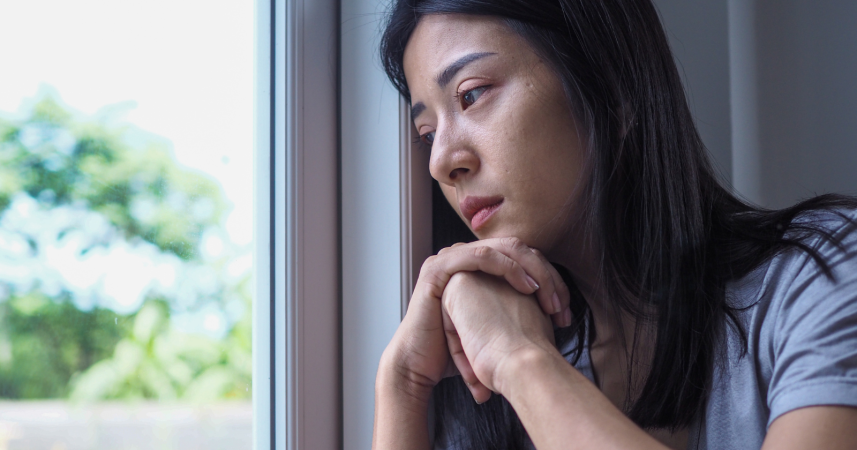
When I stopped being the friend who always texts first, plans everything, and keeps conversations alive, my phone went silent for five straight days — and what followed was a month-long revelation about the brutal mathematics of modern friendship that left me staring at names in my contacts like headstones in a graveyard I'd been tending alone.

Add VegOut to your Google News feed. 
You know that feeling when you realize something so fundamental about your life that it makes you question everything? That happened to me three months ago, sitting alone in my favorite coffee shop on a Saturday morning, scrolling through my phone and noticing something that made my stomach drop.
Not a single text. Not one missed call. My phone had been silent for five days straight.
At first, I thought maybe something was wrong with my phone. But no, everything was working fine. The truth was simpler and so much worse: I'd stopped reaching out first about a week earlier, just as a casual experiment, and apparently, that meant my social life had completely flatlined.
What started as curiosity turned into thirty days of silence that taught me more about friendship than I wanted to know. And honestly? I've never told anyone about this experiment until now because the results were too painful to admit out loud.
The experiment that changed everything
It started innocently enough. I was exhausted from always being the one to initiate plans, send the first text, make the phone calls. You know the feeling, right? When you start wondering if you're bothering people or if they actually want to hear from you?
So I decided to take a step back. Just for a month. No reaching out first, no initiating plans, no sending those "thinking of you" texts. I'd respond if someone contacted me, sure, but I wouldn't be the one starting conversations anymore.
The first week was actually kind of liberating. I had more time for myself, caught up on some reading, spent extra hours in my garden. I kept telling myself that any day now, my phone would start buzzing with friends checking in.
By week two, the silence was deafening. My phone became this monument to loneliness sitting on my kitchen counter. I'd pick it up constantly, sure I'd missed something. But there was nothing to miss.
When silence becomes a mirror
Here's what nobody tells you about stopping the effort: it forces you to see exactly where you stand with people. And most of us? We're not ready for that truth.
I started making mental lists. The friend from my finance days who I grabbed lunch with every month? Radio silence. The running buddy who I thought genuinely enjoyed our trail conversations? Nothing. Even the neighbors I regularly chatted with at the farmers' market seemed to have forgotten I existed.
The worst part was realizing I'd been performing friendship rather than experiencing it. All those years of maintaining a large network for career purposes had taught me to be the initiator, the organizer, the one who keeps things moving. But when I stopped performing that role, there was nothing left.
Growing up as an only child with high-achieving parents, I'd learned early that being valuable meant being useful. If you wanted connection, you had to earn it through effort. That programming ran so deep I hadn't even questioned it until this experiment forced me to.
The grief nobody talks about
By week three, I was genuinely grieving. Not dramatic, sobbing grief, but this quiet, persistent sadness that colored everything gray. I'd walk past restaurants where I'd had countless friend dates and feel this hollow ache. My trail runs became these solitary meditation sessions where I'd process the reality that maybe, just maybe, I didn't actually have the friendships I thought I had.
The research psychologist in me wanted to rationalize it. Maybe everyone was just busy. Maybe they assumed I was traveling. Maybe they were giving me space. But deep down, I knew the truth: if our entire relationship depended on my effort, was it really a relationship at all?
I found myself thinking about all those finance colleagues who'd disappeared after my career transition. At the time, I'd told myself it was natural, that work friendships often don't survive job changes. But this experiment made me wonder if they'd ever been real friendships or just convenient proximities maintained by my constant effort.
The unexpected discovery
On day twenty-three, something interesting happened. My neighbor Sarah knocked on my door with some extra tomatoes from her garden. We ended up talking for an hour, and she mentioned she'd been worried about me because I hadn't been at the farmers' market lately.
"I wanted to check in earlier," she said, "but I never know if I'm interrupting your writing."
That conversation cracked something open. How many people were holding back because they thought I was too busy? How many relationships were stuck in this weird standoff where everyone was afraid of being the burden?
I started paying attention to the quality of interactions when they did happen. The few people who reached out during my experiment weren't my closest friends on paper, but they were the ones who showed up authentically. No agenda, no performance, just genuine connection.
What I learned about real connection
The full thirty days taught me that most relationships exist in this fragile ecosystem of mutual effort, and when one person stops, the whole thing collapses. But it also taught me that this isn't necessarily anyone's fault.
We're all walking around afraid of being too much or not enough. We're all secretly wondering if we matter to the people who matter to us. And sometimes, we're so afraid of getting the answer that we just keep performing our roles and hoping it's enough.
Since the experiment ended, I've made some changes. Instead of maintaining a large network through sheer force of will, I've focused on building deeper connections with fewer people. I've had honest conversations with friends about the effort imbalance, and surprisingly, many of them felt the same way but from the opposite side. They thought I was so capable and busy that I was just including them out of politeness.
Moving forward with new understanding
I still initiate plans and reach out first, but now I do it consciously rather than compulsively. I pay attention to reciprocity over time, not keeping score but noticing patterns. And when I find those rare people who match my energy and effort? I hold onto them and invest deeply.
The experiment broke my heart, but it also freed me from the exhausting performance of maintaining one-sided connections. My circle is smaller now, but it's real. The friends I have today know the full story, even the parts that aren't pretty. They've seen me without the constant effort, and they stayed.
If you're wondering whether your friendships would survive if you stopped reaching out first, I can't tell you to try this experiment. The truth might be more painful than you're ready for. But I can tell you that knowing where you stand, really knowing, is its own kind of freedom.
These days, when my phone is quiet, I don't panic. I tend my garden, go for my runs, and trust that the people who matter will show up in their own time and their own way. And when they do, it means something. It means everything.
Because real friendship isn't about who texts first or who makes the plans. It's about who shows up when the performance ends and the silence begins.












