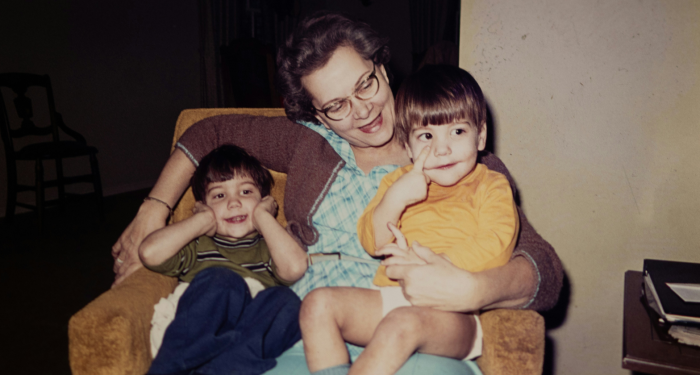
Aging well isn’t just about looking younger. It’s about thriving inside and out. According to psychologists, these eight subtle signs reveal you’re not just getting older, you’re growing stronger, happier, and more self-assured than most of your peers.

Add VegOut to your Google News feed. 
Aging well isn’t about how many candles are on your birthday cake. It’s about how you feel, how you think, and how you show up every day.
Sure, genetics play a role. But psychology tells us that much of how we age comes down to our mindset, habits, and daily choices.
So how do you know if you’re actually aging well—not just surviving but thriving as you get older?
Let’s dive into eight signs that you’re aging better than most of your peers, according to research and a bit of lived experience.
1) You’ve kept your curiosity alive
Ever met someone who seems to have stopped learning at 25? Their conversations sound like reruns of the same TV episode.
Curiosity is one of the most underrated markers of psychological youth. Research from the Journal of Personality has linked curiosity with greater life satisfaction and even longevity.
Curious people stay mentally flexible. They’re open to new experiences, which keeps the brain sharp and the spirit adventurous.
Whether that means trying a new cuisine, picking up a language, or diving into a topic you know nothing about—it all counts.
Personally, I’ve noticed that when I stay curious—whether it’s exploring a new restaurant or reading something outside my usual interests—I feel more alive.
2) You focus more on health than on looks
Let’s be honest, most of us start hitting the gym in our 20s because we want to look good. But as we age, something changes.
You start caring less about six-pack abs and more about how you feel when you wake up. You begin to value your energy levels, mental clarity, and overall health more than aesthetics.
That shift in mindset? It’s a sign of maturity—and according to psychology, a strong indicator of healthy aging.
Studies show that people who focus on intrinsic goals like wellness, purpose, and vitality tend to be happier and age more gracefully than those fixated on external validation.
You’re not giving up vanity—you’re just upgrading your priorities.
3) You’ve learned to manage your stress
If you’ve figured out how to keep your cool when life throws curveballs, congratulations—you’re aging well.
Chronic stress accelerates biological aging by shortening something called telomeres (the protective caps on your DNA).
Psychologists have found that people who develop coping mechanisms—like mindfulness, journaling, or exercise—essentially slow that clock down.
Think about it: we all deal with chaos. The question is, how much of it do we internalize?
The older I get, the more I realize that peace isn’t about a calm environment—it’s about a calm mind. And that kind of calm only comes from practice.
4) You nurture your relationships

Here’s a fascinating fact: Harvard’s longest-running study on happiness—spanning more than 80 years—found that the biggest predictor of long-term health and fulfillment isn’t wealth, career success, or even diet. It’s relationships.
The quality of your social connections directly affects how well you age. People with close, supportive relationships tend to live longer, experience less cognitive decline, and recover faster from illness.
It makes sense. Humans are social creatures, wired for connection.
And let’s face it—good friends keep you laughing, which is pretty much free therapy.
If you make time for people who energize you and distance yourself from those who drain you, you’re not just setting emotional boundaries—you’re extending your lifespan.
5) You’ve made peace with your past
You can’t age well if you’re still fighting battles that ended years ago.
According to psychologists, unresolved regret or resentment can lead to chronic stress, anxiety, and even physical symptoms.
On the flip side, emotional acceptance—acknowledging your past without letting it define you—is one of the strongest predictors of psychological well-being.
Aging gracefully doesn’t mean pretending the past didn’t happen.
It means learning from it, forgiving yourself, and moving forward lighter.
The older I get, the more I understand that holding grudges is like carrying extra luggage on a long hike. You’ll get tired faster, and it’s just not worth the weight.
6) You keep your sense of humor
Ever noticed that people who can laugh at themselves seem ageless?
A good sense of humor isn’t just charming—it’s a powerful psychological tool.
Research shows that humor helps reduce stress hormones, strengthens the immune system, and even improves memory in older adults.
But beyond the science, there’s something timeless about not taking life—or yourself—too seriously.
If you can find the funny side when things go sideways, you’re showing resilience and flexibility—two traits that define healthy aging.
7) You’re comfortable with change
Remember how you used to resist change in your 20s because you thought you had everything figured out?
Then life showed you that nothing stays the same for long.
People who age well aren’t necessarily the ones with the easiest lives—they’re the ones who adapt.
Psychologists call this psychological flexibility, and it’s been linked to better mental health and emotional stability across the lifespan.
You might not love every transition, but you’ve learned to roll with them. Whether it’s a career shift, a breakup, or a move to a new city, you don’t cling to what was—you focus on what’s next.
That mindset doesn’t just make life smoother. It makes it richer.
8) You know what truly matters
And finally, here’s the big one.
If you’ve started prioritizing meaning over metrics—depth over drama—you’re aging better than most.
Psychology calls this “self-transcendence”: the ability to see beyond the ego and focus on what gives life genuine purpose.
People who cultivate this sense of meaning tend to experience more peace, gratitude, and fulfillment, even in difficult times.
Maybe that means spending more time with family, mentoring younger colleagues, or simply slowing down to appreciate your morning coffee.
Whatever it looks like for you, that shift from chasing “more” to appreciating “enough” is one of the clearest signs of emotional maturity and graceful aging.
The bottom line
Aging well has less to do with anti-wrinkle creams or supplements and more to do with mindset.
It’s about curiosity, adaptability, connection, and a sense of inner peace that deepens with time.
You can’t stop the clock—but you can decide how you meet each moment.
And maybe that’s the real secret: it’s not about staying young forever—it’s about growing older without losing your joy for life.
If You Were a Healing Herb, Which Would You Be?
Each herb holds a unique kind of magic — soothing, awakening, grounding, or clarifying.
This 9-question quiz reveals the healing plant that mirrors your energy right now and what it says about your natural rhythm.
✨ Instant results. Deeply insightful.

Adam Kelton
Adam Kelton is a writer and culinary professional with deep experience in luxury food and beverage. He began his career in fine-dining restaurants and boutique hotels, training under seasoned chefs and learning classical European technique, menu development, and service precision. He later managed small kitchen teams, coordinated wine programs, and designed seasonal tasting menus that balanced creativity with consistency.
After more than a decade in hospitality, Adam transitioned into private-chef work and food consulting. His clients have included executives, wellness retreats, and lifestyle brands looking to develop flavor-forward, plant-focused menus. He has also advised on recipe testing, product launches, and brand storytelling for food and beverage startups.
At VegOut, Adam brings this experience to his writing on personal development, entrepreneurship, relationships, and food culture. He connects lessons from the kitchen with principles of growth, discipline, and self-mastery.
Outside of work, Adam enjoys strength training, exploring food scenes around the world, and reading nonfiction about psychology, leadership, and creativity. He believes that excellence in cooking and in life comes from attention to detail, curiosity, and consistent practice.
More Articles by Adam