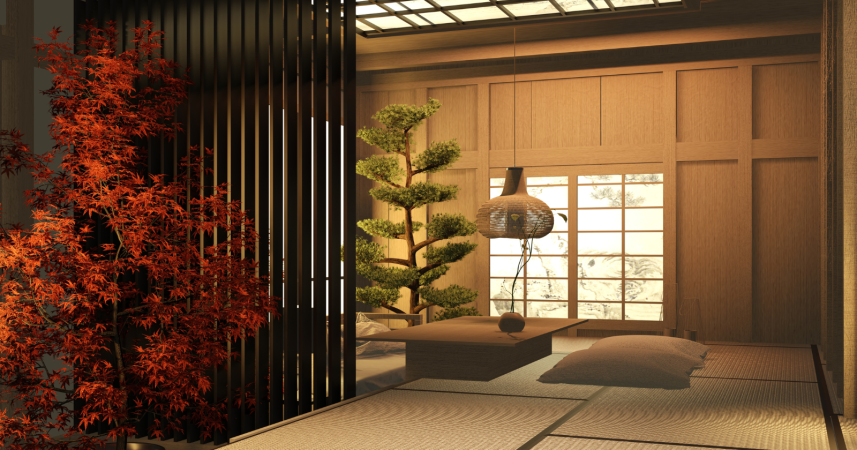
When you choose intention over clutter and calm over perfection, you create more than a beautiful space; you create a sanctuary for your mind.
Have you ever walked into a space that just feels calm?
Not because it is luxurious or full of expensive pieces, but because it somehow radiates serenity in every corner.
That is the quiet magic of Japanese design.
I have always been fascinated by how Japanese homes, many of which are much smaller than Western apartments, still feel open and grounding.
The secret is not in the size. It lies in intention.
Every color, texture, and object is chosen carefully, with purpose.
That purpose is almost always peace.
So, if your home or apartment feels cluttered or chaotic lately, maybe it is time to take a few cues from Japan.
Here are eight decor habits that can help even the tiniest spaces feel calm and balanced.
1) Start with simplicity
When I first explored Japanese design, one thing immediately stood out: simplicity is not dull. It is freeing.
In Japan, many homes are built around the idea of ma, which means the intentional use of empty space. It is not only about owning fewer things but about giving your environment breathing room.
Take a look around your home.
Are your shelves overflowing with items that do not really bring you joy?
Is your countertop covered in random things you plan to “use later”?
Try this small experiment. Clear a surface completely and only put back what you love or what truly serves a purpose.
A single ceramic bowl, a candle, or a tiny vase with greenery can be enough.
Once you do this, you might notice something subtle but powerful.
Empty space itself has a calming presence.
2) Let natural light lead
In Japanese decor, light is treated as part of the design itself.
Shoji screens, those translucent paper panels common in traditional homes, are a great example.
They filter light rather than block it, allowing a soft glow to fill the room.
The light changes throughout the day, gently shifting the mood.
You do not need shoji screens to recreate this feeling.
Try hanging sheer curtains to let sunlight in or placing a mirror where it can reflect light across the room.
Move your workspace near a window so your day starts and ends with natural brightness rather than harsh bulbs.
Natural light connects you to the rhythms of the day.
You rise with the sun and slow down as it sets. It is one of the simplest ways to make even small spaces feel expansive and alive.
3) Use natural materials
Think about how it feels to touch something made of real wood compared to plastic.
There is warmth and authenticity in natural materials that no synthetic product can replace.
Japanese interiors are filled with organic textures.
Wood, linen, cotton, bamboo, and stone are common elements.
They bring both visual softness and an emotional sense of balance.
When I swapped a synthetic rug for one made of jute and replaced a few metal accents with bamboo trays, I immediately noticed the difference.
My home felt cozier and calmer, even though nothing major had changed.
You can start small.
Add linen cushions, wooden utensils, or clay planters.
These quiet touches remind you of nature, which has a way of grounding both the space and the mind.
4) Keep things low to the ground
Japanese furniture often sits close to the floor.
Think of tatami mats, low tables, and futons.
This is not only an aesthetic choice. It is a way of living that encourages calm and mindfulness.
Lower furniture creates the illusion of taller ceilings, making small rooms feel larger.
But it also changes how you experience the space.
Sitting close to the ground naturally slows you down and draws your attention inward.
When I replaced my tall coffee table with a lower one and used floor cushions instead of bulky chairs, my living area immediately felt more open.
It also changed my habits.
I spent more time reading, journaling, and sipping tea instead of aimlessly scrolling my phone.
If your room feels crowded, lowering your visual lines might be the simplest fix.
5) Invite nature inside
There is a reason Japanese homes often include plants, bonsai trees, or even small water features.
The philosophy of bringing nature indoors is not just decorative. It is deeply emotional.
Nature restores balance. It reminds us that calmness does not come from possessions but from connection.
Even if you do not have a garden, you can invite nature in.
A small plant, a single flower stem in a glass vase, or a bowl of smooth stones can shift the energy of a room.
One of my favorite habits is picking up a small branch or leaf on my morning run and placing it in a bottle on my kitchen shelf.
It costs nothing, but it instantly makes my home feel more connected to the world outside my walls.
6) Embrace imperfection
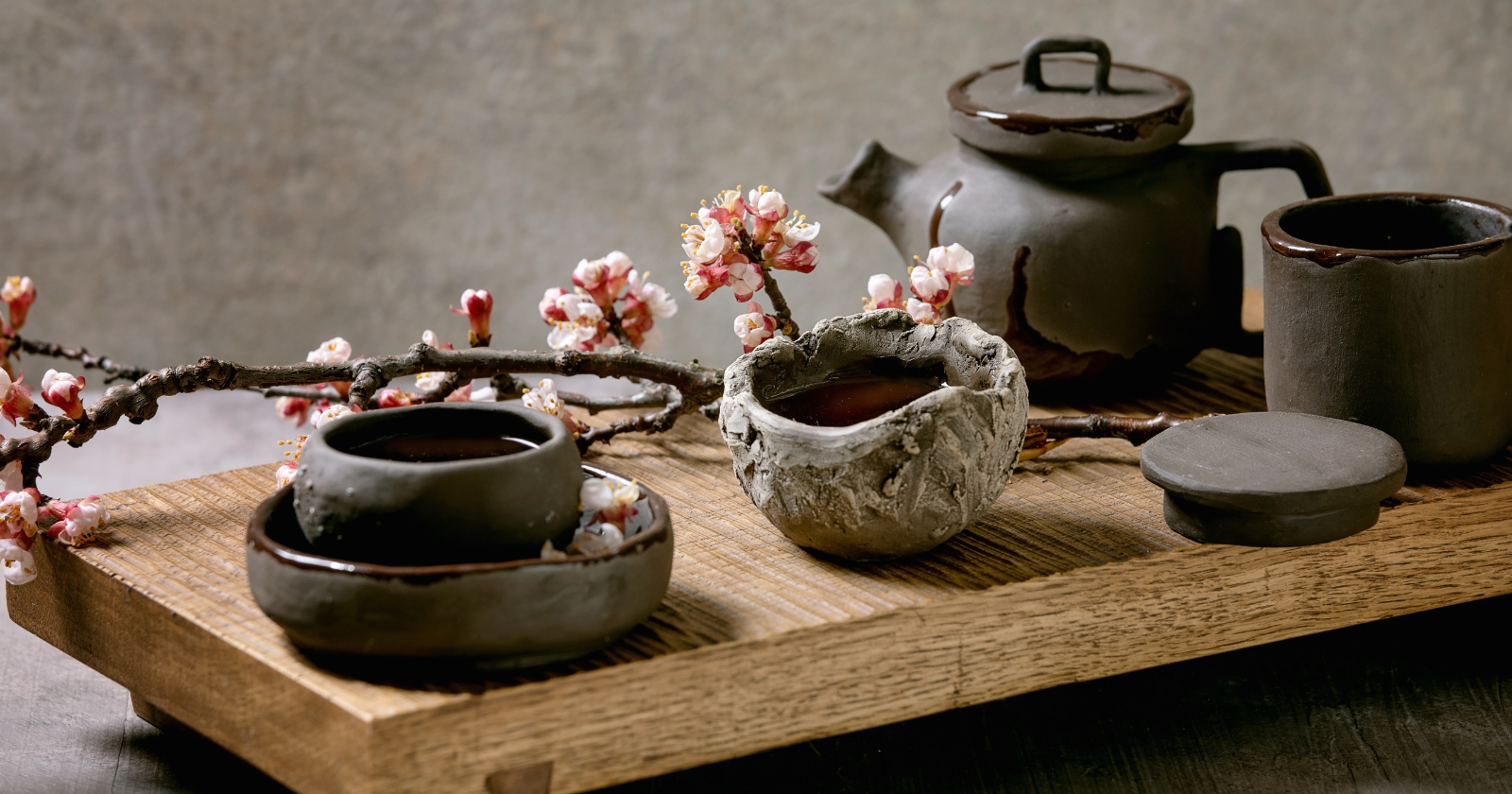 There is a beautiful word in Japanese culture: wabi-sabi.
It means finding beauty in imperfection and impermanence.
In a world obsessed with flawless homes and picture-perfect decor, wabi-sabi teaches us to slow down and appreciate the charm of age, texture, and wear.
Years ago, when I left my corporate job, I realized how much perfectionism had seeped into every corner of my life.
Even my home decor had to “match.” Learning about wabi-sabi changed my perspective.
Now, when I see a chipped mug or a faded cushion, I do not rush to replace it.
I see a story. I see life being lived.
That acceptance brings a surprising peace that no shiny new object can match.
Your home does not have to look perfect to feel beautiful.
Let it reflect your journey, not an ideal.
7) Design for flow, not storage
Here is something most people do not realize.
Japanese homes are not famous for massive storage closets. Instead, they are designed for flow.
Traditional homes often use sliding doors and modular furniture so that spaces can transform easily.
It is not about hiding things but about moving through your home with ease and clarity.
You can apply this idea by paying attention to how you move, not just where you store things.
Ask yourself: is there a natural flow through your rooms?
Do you have to sidestep around furniture or squeeze past cluttered corners?
In my small apartment years ago, moving one bookshelf away from a doorway completely changed how the room felt.
Suddenly, there was space to move freely.
It did not just look better. It felt better.
Peaceful spaces are not always the ones with the most storage.
They are the ones that allow you to move without friction.
8) Create small rituals around your space
In Japan, the home is treated with quiet respect.
It is seen as a living part of daily life, not just a backdrop.
Many people have small rituals that bring mindfulness into their homes.
Removing shoes at the entrance, lighting incense in the morning, or carefully arranging a tea set are simple gestures that anchor the mind.
You can create your own versions of these rituals.
Maybe light a candle when you finish work for the day, or tidy up for five minutes before bed.
Perhaps it is as simple as opening a window each morning to let in fresh air.
One of my favorite rituals is watering my plants while sipping tea.
It sounds ordinary, but that gentle routine sets a calm tone for my day.
Rituals remind us that peace does not come from grand gestures but from consistent care.
Final thoughts
Tiny spaces can feel stressful or soothing. The difference comes from how we shape them.
Japanese design is not about being trendy or minimalist for appearance’s sake. It is about creating harmony between your surroundings and your inner state.
You do not have to redesign your entire home to feel this shift. Start with one habit. Maybe it is clearing a surface, adding a touch of greenery, or embracing a small imperfection.
As I have learned from both my time in finance and my years of writing, simplicity often reveals what truly matters. The same goes for our homes.
When you choose intention over clutter and calm over perfection, you create more than a beautiful space. You create a sanctuary for your mind.
Peace is not something you stumble upon when your house is finally “done.” It is something you build through the choices you make, one mindful detail at a time.
If You Were a Healing Herb, Which Would You Be?
Each herb holds a unique kind of magic — soothing, awakening, grounding, or clarifying.
This 9-question quiz reveals the healing plant that mirrors your energy right now and what it says about your natural rhythm.
✨ Instant results. Deeply insightful.