
Wealth often shows up in a home through comfort, quality, and what gets replaced versus repaired. Middle class households tend to prioritize practicality, while wealthier homes lean toward ease and refinement. These eight household items can reveal the difference more than you’d expect.
You can learn a surprising amount about someone from the small stuff in their home.
Not the obvious things like a big TV or a fancy couch. I mean the everyday household items people don’t even think about, because they grew up around them and assumed everyone lived that way.
This isn’t about judging anyone. It’s about noticing the quiet patterns that shape how people see comfort, security, and what “normal” looks like.
Let’s get into it.
1) Towels
Towels say a lot.
Some people grew up with towels that were used until they were practically paper thin. They did the job. They got washed. They lived a long life. Nobody cared if they were fluffy, matching, or “spa quality.”
Other people grew up with towel sets.
Matching bath towels, hand towels, face towels. All coordinated. All thick. Sometimes with a weird unspoken rule: some towels are not for using.
If you know, you know. The guest towels that sit there like they’re part of a museum exhibit. They exist to signal something. Like: “We are prepared for company.”
Middle class households tend to treat towels as practical items. Wealthier households are more likely to treat them as part of a curated home vibe.
It sounds small. But small things often reveal the most.
2) Dishware
I always notice this when I eat at someone’s house.
If someone grew up middle class, there’s a good chance their plates don’t match perfectly. Maybe they started as a set, but life happened. A few broke. A few got replaced. Now it’s a mix, and it works.
The dishware is there to hold food. That’s the whole point.
If someone grew up wealthy, dishware often looks more intentional. It’s heavier. It matches. It fits the aesthetic of the kitchen. And there might be a “special set” that only comes out when guests come over.
That’s the difference.
When money is tighter, function wins. When money is plentiful, presentation gets to matter too.
3) The fridge organization system
This one feels like personality, but it’s often class mixed with personality.
Some people grew up with a fridge that looked like a constant work in progress. Leftovers stacked in random containers. Half-used sauces. One lonely lemon. Everything piled in a way that made sense to the family but confused everyone else.
That fridge reflects a house where food was managed carefully. Used up. Stretched. Thought about.
Then there are fridges that look like an influencer lives there.
Clear bins. Labels. Drinks lined up like a store display. Fruit and vegetables separated by category. Everything has a place. Nothing looks accidental.
That kind of fridge often comes from growing up in a household where there was always enough, and restocking didn’t cause stress. Organization wasn’t a survival skill. It was an aesthetic choice.
I’ve mentioned this before but the way someone organizes daily life often reflects whether they had to manage scarcity or simply manage space.
4) The bathroom soap situation
There are two bathroom soap vibes.
First, the basic soap setup. A bar soap that has been through it. Or a generic pump bottle that gets refilled until the label fades. Soap is soap. It cleans your hands. End of story.
Second, the curated soap experience.
A glass dispenser. Matching lotion. A scent that feels like a spa. Maybe seasonal, like cinnamon in fall or pine in winter. The bathroom feels like it was designed, not just used.
It seems silly, but it reveals something deeper.
Wealth often creates room for “nice” to show up in the small things. Middle class households tend to save “nice” for bigger purchases or special occasions.
5) Furniture that still has a backstory
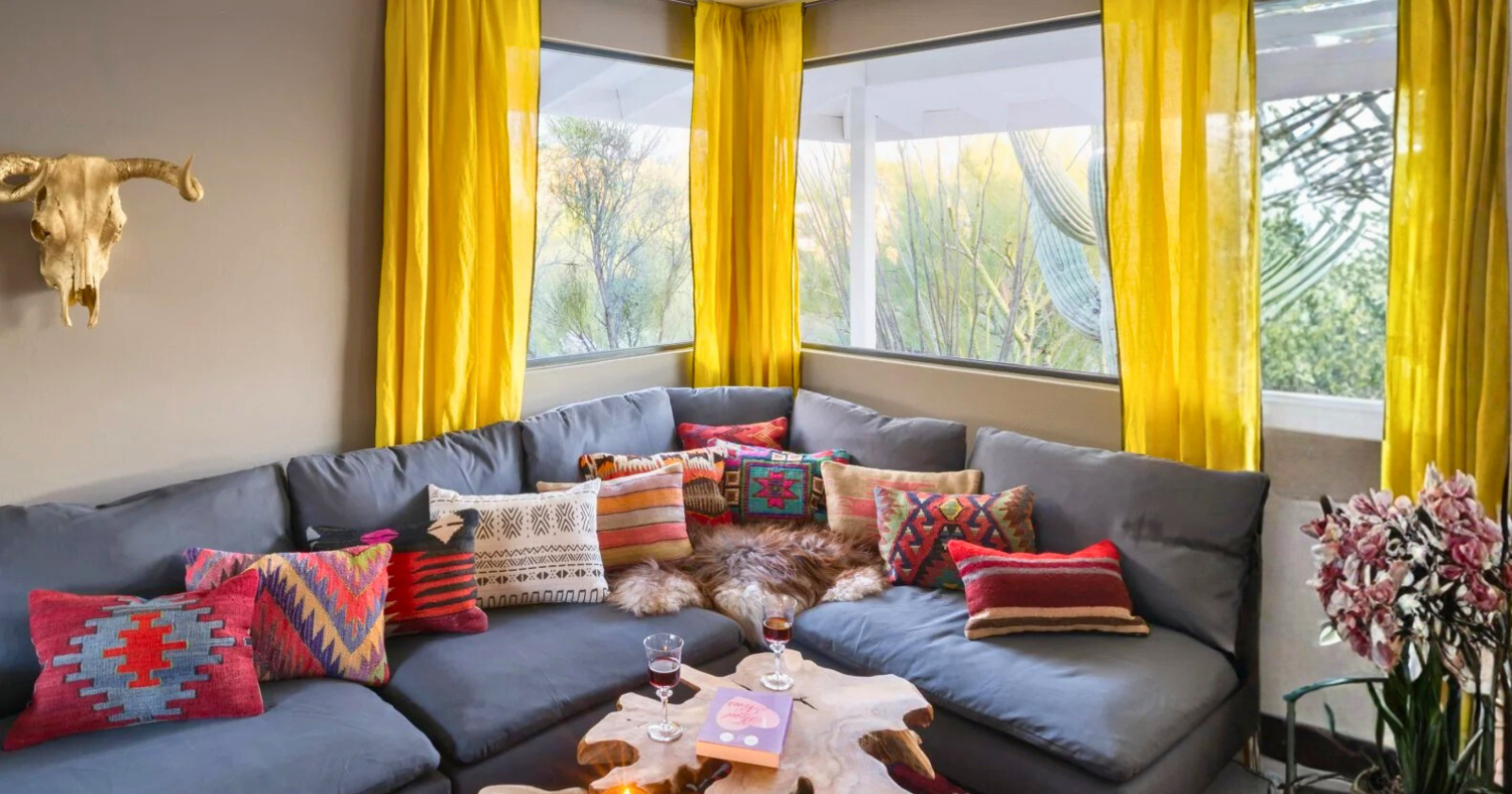
Middle class furniture usually has history.
Hand-me-downs. Craigslist finds. A couch that came with the apartment. A table that survived three moves. Maybe a chair that doesn’t quite match but is way too comfortable to throw away.
And people know the story behind it.
- “We got this from my aunt.”
- “That was my dad’s old desk.”
- “I found this for cheap when I was broke, and it’s still here.”
Wealthier homes often have furniture that looks more curated. The pieces match the space, the colors flow, and everything feels like it was selected on purpose.
Also, wealthy people tend to replace furniture when taste changes.
Middle class households tend to replace furniture when it stops working.
That difference tells you a lot about what a household was trained to value: durability or design.
6) The “extras” drawer
If you grew up middle class, you probably know this drawer.
The one full of random stuff that might come in handy.
Batteries. Rubber bands. Old phone chargers. Takeout chopsticks. Mystery keys. An Allen wrench that belongs to something you no longer own. A tiny flashlight that doesn’t work. A few screws that could be important.
It’s chaotic, but it’s practical.
Middle class families often develop a “just in case” mindset. Because replacing things costs money. Because wasting something that could still be useful feels wrong.
In wealthier households, this drawer is less likely to exist, or it’s neatly organized. Things have a system. There’s a toolbox. A storage closet. A designated area for the messy stuff.
When you have money, you don’t need to treat everything like potential future value. You can replace it later.
When you don’t, you become your own backup plan.
7) Cleaning supplies
Cleaning supplies quietly show what kind of home someone grew up in.
Middle class homes often rely on a small handful of products that do everything.
One spray for the counters, one for the bathroom, maybe bleach, maybe vinegar, maybe something that smells aggressively like “lemon freshness.”
You clean because you have to.
Wealthier homes sometimes have a whole cleaning shelf for specific surfaces: stainless steel cleaner, granite cleaner, wood polish, special sprays for mirrors, and so on.
Sometimes there are fewer supplies visible because cleaning isn’t always handled by the people living there. That’s a big difference.
And even when wealthy families clean themselves, the mindset can shift.
In middle class homes, cleaning is often about keeping things functional and presentable.
In wealthier homes, cleaning can feel more like maintenance and preservation.
8) The guest bed setup
This one is almost unfair because it’s literally about having extra space.
But it still reveals a lot.
If someone grew up middle class, the idea of a room being used mostly for guests can feel wild. Every room usually has a purpose.
Kids share rooms. Storage ends up everywhere. A couch becomes a bed. People make space when they need to.
In wealthier homes, a guest room is often normal.
Not just a bed in a room, but a full setup. Fresh sheets. Matching pillows. A tidy nightstand. Sometimes a basket with toiletries like a hotel.
And that guest room reflects a bigger idea: hosting is expected.
Middle class families host too, but often in a more flexible way. They rearrange, they improvise, they make it work.
Wealth gives you the option to plan for guests before they even show up.
The bottom line
You don’t need someone’s income to understand the world they came from.
Sometimes you just need to notice how they stock their fridge, what kind of soap sits by their sink, or whether their towels are practical or decorative.
These household items aren’t proof of anything. They’re just clues. Tiny cultural fingerprints.
And if you grew up middle class, you might recognize something else hidden in these details: resourcefulness.
Because knowing how to stretch what you have, keep things running, and make a home feel safe without needing everything to be perfect? That’s a skill. And honestly, it’s its own kind of wealth.
Just launched: Laughing in the Face of Chaos by Rudá Iandê
Exhausted from trying to hold it all together?
You show up. You smile. You say the right things. But under the surface, something’s tightening. Maybe you don’t want to “stay positive” anymore. Maybe you’re done pretending everything’s fine.
This book is your permission slip to stop performing. To understand chaos at its root and all of your emotional layers.
In Laughing in the Face of Chaos, Brazilian shaman Rudá Iandê brings over 30 years of deep, one-on-one work helping people untangle from the roles they’ve been stuck in—so they can return to something real. He exposes the quiet pressure to be good, be successful, be spiritual—and shows how freedom often lives on the other side of that pressure.
This isn’t a book about becoming your best self. It’s about becoming your real self.