Step inside any 1960s living room and you’d spot the same staples—from bulky TVs to patterned sofas. Here are 10 items that defined the era, no exceptions.
The living room has always been the heart of the home. It’s where families gather, guests are entertained, and daily life quietly unfolds.
But step back into the 1960s, and you’d notice a very different set of items defining that space.
Some were practical, others purely decorative, and many have become symbols of a particular cultural moment.
If you walked into nearly any home during that decade, chances are you’d spot these ten things without fail.
1) A bulky television set
The television wasn’t just an appliance—it was practically a piece of furniture.
In the 1960s, TVs were encased in heavy wooden cabinets, often taking up an entire corner of the room. They weren’t something you tucked away; they were front and center.
Families built their evenings around scheduled programming, from variety shows to nightly news.
Unlike today, where we binge-watch on demand, in the ’60s, you had to plan your time around your favorite shows. That sense of ritual turned the TV into the focal point of the living room.
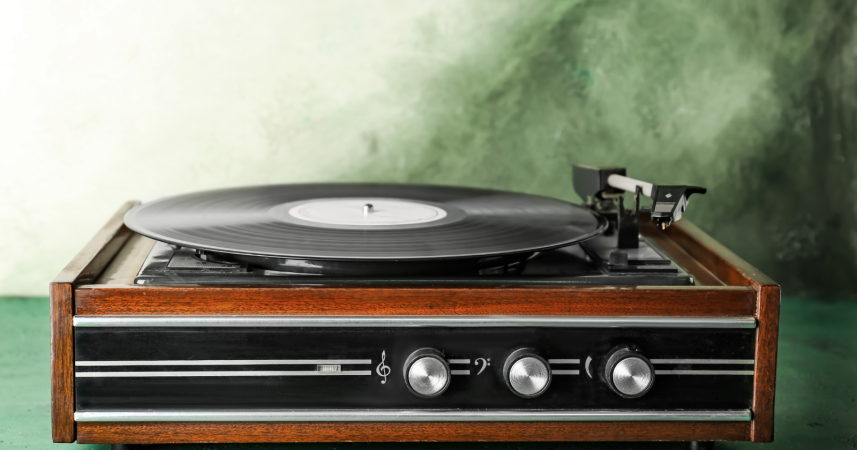
2) A record player or console stereo
Music was physical in the 1960s. Vinyl records weren’t just entertainment—they were part of the furniture.
Many homes had large stereo consoles with built-in record players, some doubling as elegant wooden cabinets.
Whether it was spinning The Beatles, Motown hits, or a jazz record on a Sunday afternoon, music was a communal experience.
I sometimes think about how different it feels compared to streaming playlists alone in headphones. Back then, dropping the needle was an event.
3) Ashtrays on the coffee table
Smoking was everywhere in the ’60s. Guests lit up as casually as they poured a drink, and ashtrays were as common as coasters.
They came in all styles—ceramic, glass, or metal—and often matched the décor. Some were even considered decorative pieces when not in use.
Of course, today smoking indoors is rare, but those ashtrays were once essential items in every living room.
4) A rotary phone
The family phone was a fixture, often sitting on a side table in the living room.
The rotary dial itself was slow and deliberate—you had to commit to dialing each number. And when it rang, the whole house knew. There was no such thing as private texting in another room.
For many, the living room phone symbolized connection—not just to friends and family, but to the wider world.
5) A coffee table stacked with magazines
Walk into a 1960s living room, and you’d almost always see a coffee table covered in magazines.
Life, Reader’s Digest, National Geographic—they were as much about décor as they were about information.
Guests would pick one up while waiting for coffee, flipping through glossy pages filled with stories and ads that reflected the times.
Magazines were social currency. Having the right ones out showed taste, insatiable curiosity, and awareness of the world.
6) A floral or patterned sofa
Minimalism wasn’t the style of the ’60s. Sofas often came in bold florals, textured fabrics, or geometric patterns.
These pieces weren’t just for sitting; they were statements. Some were scratchy by today’s standards, but they anchored the room with personality.
I remember once visiting a friend’s grandmother who still had her original ’60s couch—bright orange and green with a bold floral print. It was unforgettable.
7) Knick-knacks and figurines
The ’60s were not about clean, empty surfaces. Living rooms were full of figurines, porcelain animals, vases, and other knick-knacks proudly displayed on shelves or mantels.
Some were gifts, others souvenirs from vacations. Each piece told a story, even if it gathered a little dust along the way.
It’s easy to laugh at the clutter now, but back then it gave rooms a sense of warmth and lived-in character.
8) Heavy drapes or curtains
Natural light was often softened by heavy drapes or patterned curtains.
These weren’t just about function; they were part of the room’s identity. Think thick fabrics in earthy tones, geometric prints, or bold colors that matched the furniture.
Pulling the curtains closed at night felt like sealing off the home from the outside world—making the living room a private, cozy retreat.
9) A framed family portrait
Photos were more formal in the 1960s. Families often had a professional portrait taken and displayed it prominently in the living room.
Unlike the endless phone snaps we take today, a family portrait was a big deal. It was posed, printed, and framed to last decades.
Guests could immediately see the family pride when they walked in.
It’s one of those little things that tied identity and space together.
10) A bookshelf with encyclopedias
Before Google, there were encyclopedias—and they lived in the living room.
Many households invested in full sets, lining them neatly on a shelf. They weren’t just educational; they were also a status symbol.
Owning encyclopedias said, “We value knowledge.”
I still remember flipping through them as a kid, randomly landing on entries about faraway countries or animals I’d never heard of.
For the ’60s family, that set of books was the internet of its day.
Final thoughts
Looking back, the 1960s living room was more than just a place to sit. It was a cultural mirror—reflecting habits, values, and aspirations of the time.
From the oversized TV and stereo console to the ashtrays and encyclopedias, these objects told a story about how families connected, entertained themselves, and presented their lives to the world.
It’s easy to feel nostalgic when we think about it now.
And maybe that’s the lesson: every item we place in our living rooms today is quietly telling a story too—about who we are, what we value, and the kind of life we’re trying to build.
What’s Your Plant-Powered Archetype?
Ever wonder what your everyday habits say about your deeper purpose—and how they ripple out to impact the planet?
This 90-second quiz reveals the plant-powered role you’re here to play, and the tiny shift that makes it even more powerful.
12 fun questions. Instant results. Surprisingly accurate.