
Some home design choices reveal more aspiration than authenticity. When décor focuses on trends, logos or perfection instead of comfort and meaning, a space starts to reflect the image we want to project rather than the life we actually live.
I have always been fascinated by the ways our homes quietly communicate who we are and what we value.
Maybe it is my old financial analyst brain talking, but whenever I step into someone’s space, I notice the little decisions that reveal intention.
There is a real difference between being affluent and appearing aspirational.
One comes from lived comfort. The other comes from trying to project it.
I have been there too. In my twenties, I bought an expensive looking vase simply because it made me feel more put together.
It took me a while to understand that what I really wanted was to grow into the version of myself I imagined.
If you have ever wondered what your home may be signaling, or if you are simply curious about the psychology behind our décor choices, let’s explore the nuances together.
Here are ten home design choices that often read more aspirational than affluent.
1) Overly coordinated décor sets
Have you ever walked into a home where every pillow matches every lamp shade and every frame matches the coasters?
At first glance, it feels polished, but look longer and it begins to feel flat.
Affluent homes rarely look perfectly coordinated. They look collected and a bit eclectic.
When everything matches, it often signals trend following instead of a personal history.
2) Displaying luxury brand logos everywhere
There is nothing wrong with having a few high-end pieces.
But when a space is filled with logo-heavy décor, it tends to communicate a desire to project status rather than enjoy quality.
People with established comfort often gravitate toward understated pieces.
Handmade ceramics, soft linens from unknown artisans, or meaningful objects usually take center stage.
If your home feels like a brand showroom, it can be helpful to ask yourself why certain items appeal to you.
3) Fragile furniture that is not meant for real life
Here is a lesson I learned the hard way. Expensive-looking furniture is not always high-quality furniture.
I once bought a delicate side table that wobbled if you breathed near it.
Pieces that only photograph well often reflect an aspirational stage of adulthood.
Affluent homes tend to be filled with sturdy pieces that actually support daily living.
Your space should work with your lifestyle, not against it.
4) Filling a space with statement pieces instead of essentials
Statement pieces can be exciting.
But when everything in a room is bold, nothing stands out.
Sometimes when I enter a space filled with oversized art, dramatic lighting, and sculptural furniture, it feels more like an attempt to impress than an expression of personality.
People who feel grounded in their design choices usually start with timeless basics and add statements slowly.
A little visual restraint can make a room feel more confident.
5) Trend chasing instead of trend editing
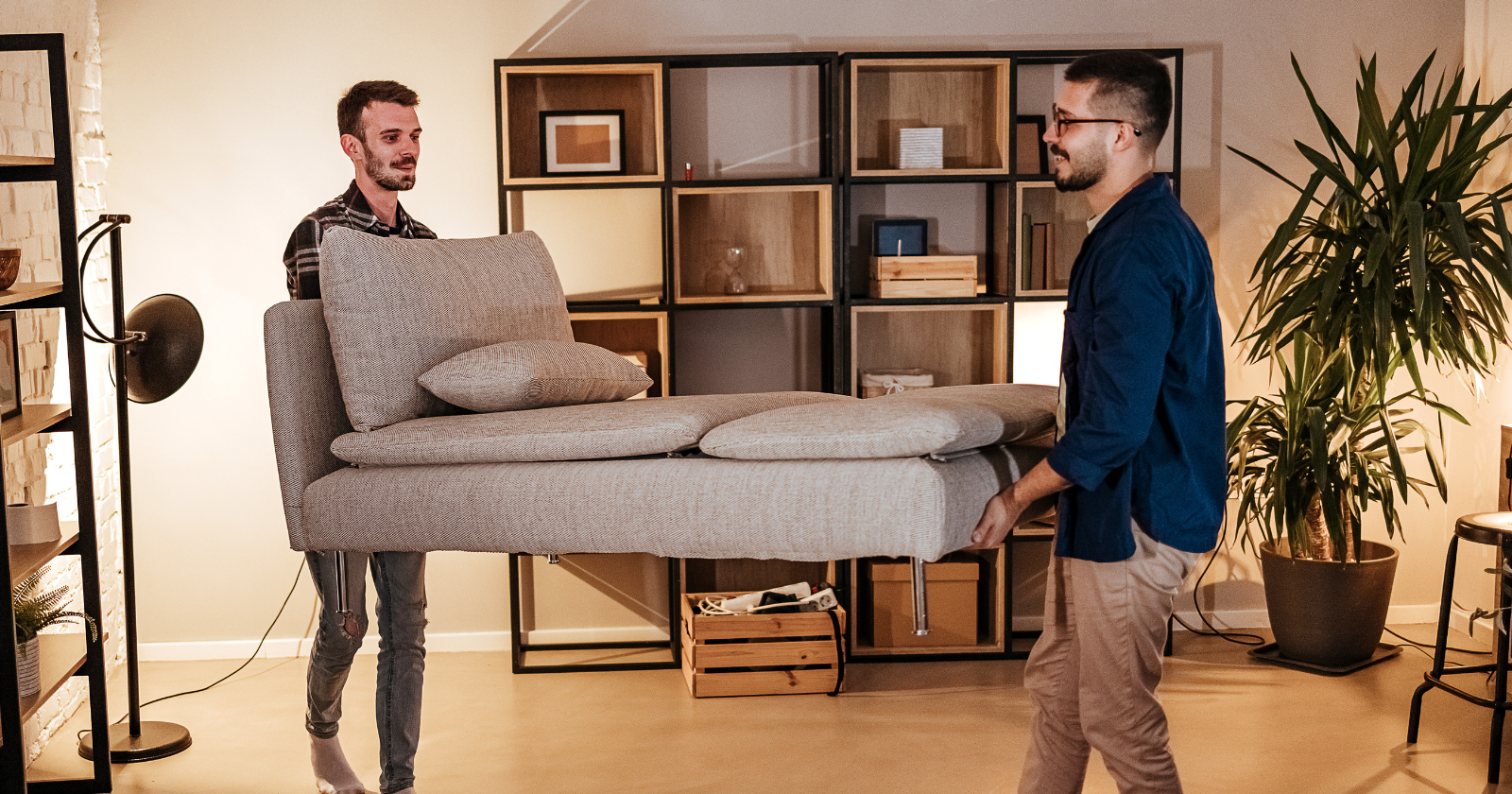
If your home has every major trend from the last few years, you are not alone. Velvet furniture, boucle chairs, gold accents, and pampas grass had a real moment.
Trends are fun, but they can also signal aspiration.
When a space relies heavily on what is popular, it can communicate a desire to align with a certain aesthetic rather than a long-term sense of style.
Affluent design tends to evolve slowly and intentionally.
You do not need every trend to create a meaningful space.
6) Art chosen for color, not meaning
I will never forget a woman who told me she bought all her art because it matched her sofa. She admitted she did not actually like most of it.
This is more common than you would think.
When art is selected only for aesthetics, it makes a home feel performative.
People who feel secure in their style often choose pieces with personal significance.
Meaning brings warmth and depth that color matching alone cannot achieve.
7) Rooms styled like showrooms instead of lived spaces
You know those homes where the kitchen counters are spotless, the couch has twenty untouched throw pillows and the bookshelf is color coordinated.
It can look beautiful, but it rarely looks lived in.
When a home feels too perfect, it often signals aspiration.
Minimalism has its place, but a little evidence of life gives a space authenticity.
Ask yourself whether you are styling for comfort or for appearance.
Lived in does not diminish beauty. It enhances it.
8) Faux finishes instead of long term materials
Peel-and-stick marble, plastic plants, and imitation wood furniture can have their place.
But when a home relies heavily on faux materials meant to mimic luxury, it usually reads aspirational.
Interestingly, the truly affluent aesthetic leans toward authenticity.
Natural wood, real greenery, and imperfect pottery age gracefully.
You do not need expensive materials. You just need honest ones.
9) Over staging for guests
Growing up, we had a guest towel that no one was allowed to touch. I still smile thinking about it.
Many people create guest spaces that look like boutique hotels.
There is nothing wrong with wanting visitors to feel welcome.
But when the guest room looks more polished than your own bedroom, it reveals a difference between presentation and actual comfort.
Affluent comfort begins at home, not in the guest suite.
10) High end tech that functions mostly as décor
Smart mirrors, color-changing lights, and fancy appliances can be helpful.
But if they are rarely used, they become decorative flexes instead of functional upgrades.
People with long-term comfort tend to invest in tech that makes life easier.
Not tech that looks impressive in photos.
Function gives technology meaning. Without function, it is just expensive clutter.
Final thoughts
If you saw yourself in any of these choices, you are in good company. We all go through stages of wanting to appear a little more polished than we feel.
Your home evolves as you do.
The more grounded you become, the more your space naturally reflects authenticity instead of aspiration.
Try asking yourself whether each design choice supports your real life, not your imagined image.
The most meaningful homes are not the most expensive ones.
They are the ones who tell the truth.
Let yours tell yours.